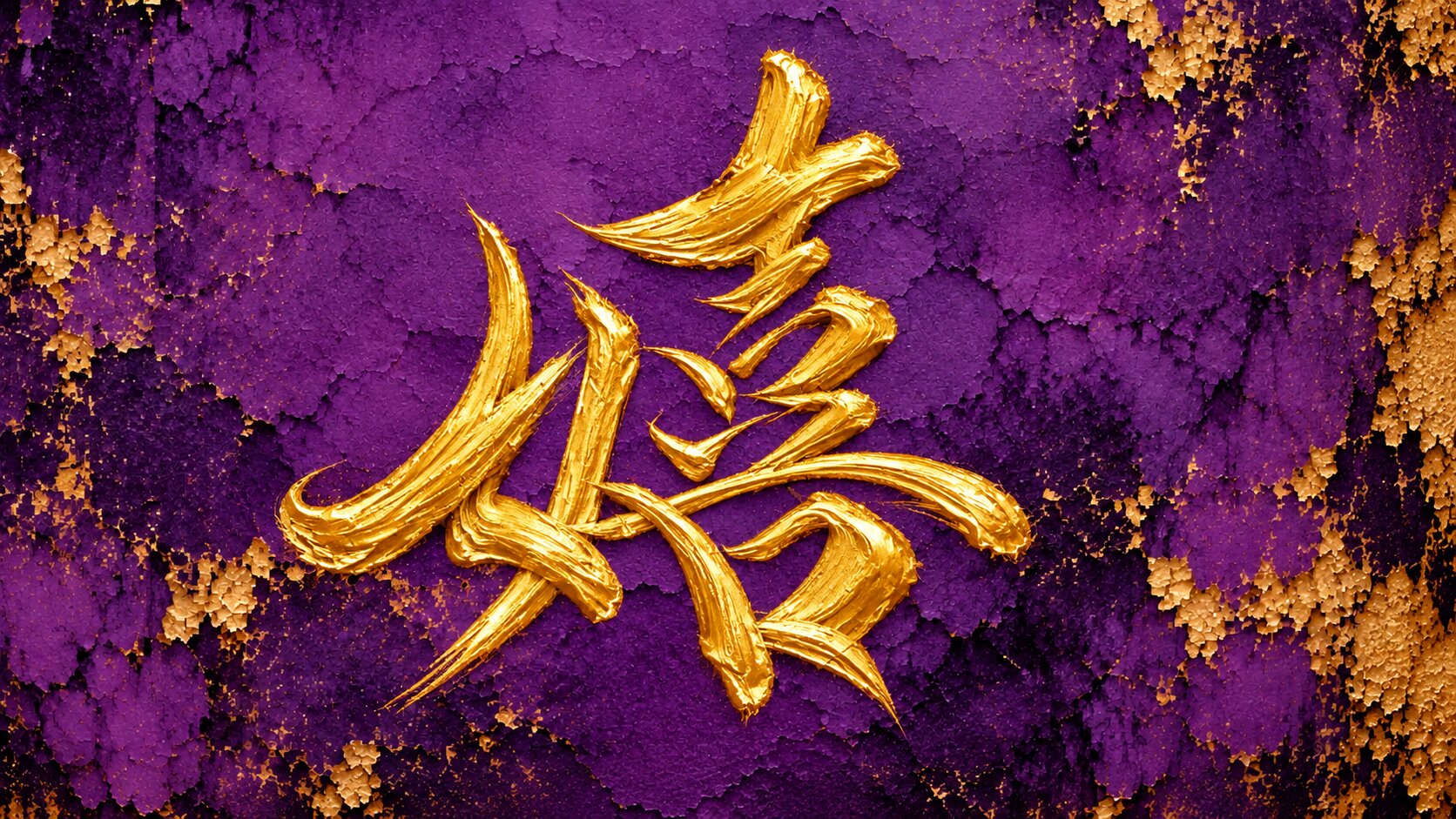
💡 Tip: Click the featured kanji to view stroke order animations
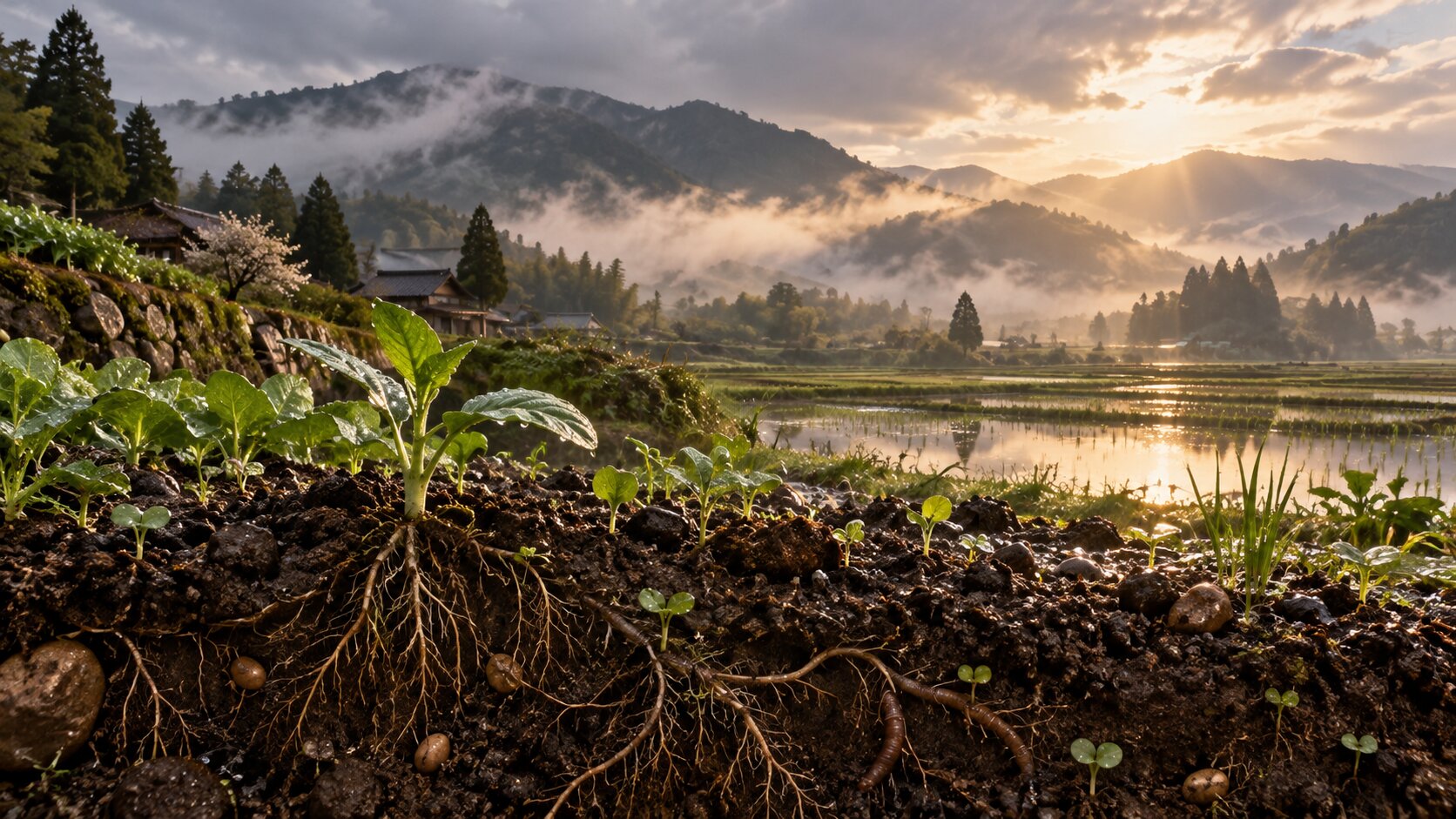
雨を受けた大地は、
黙って種と根を抱いている。
坤の力は、支えることにある。
The earth receives the rain
and silently holds seed and root.
Its strength lies in supporting life.
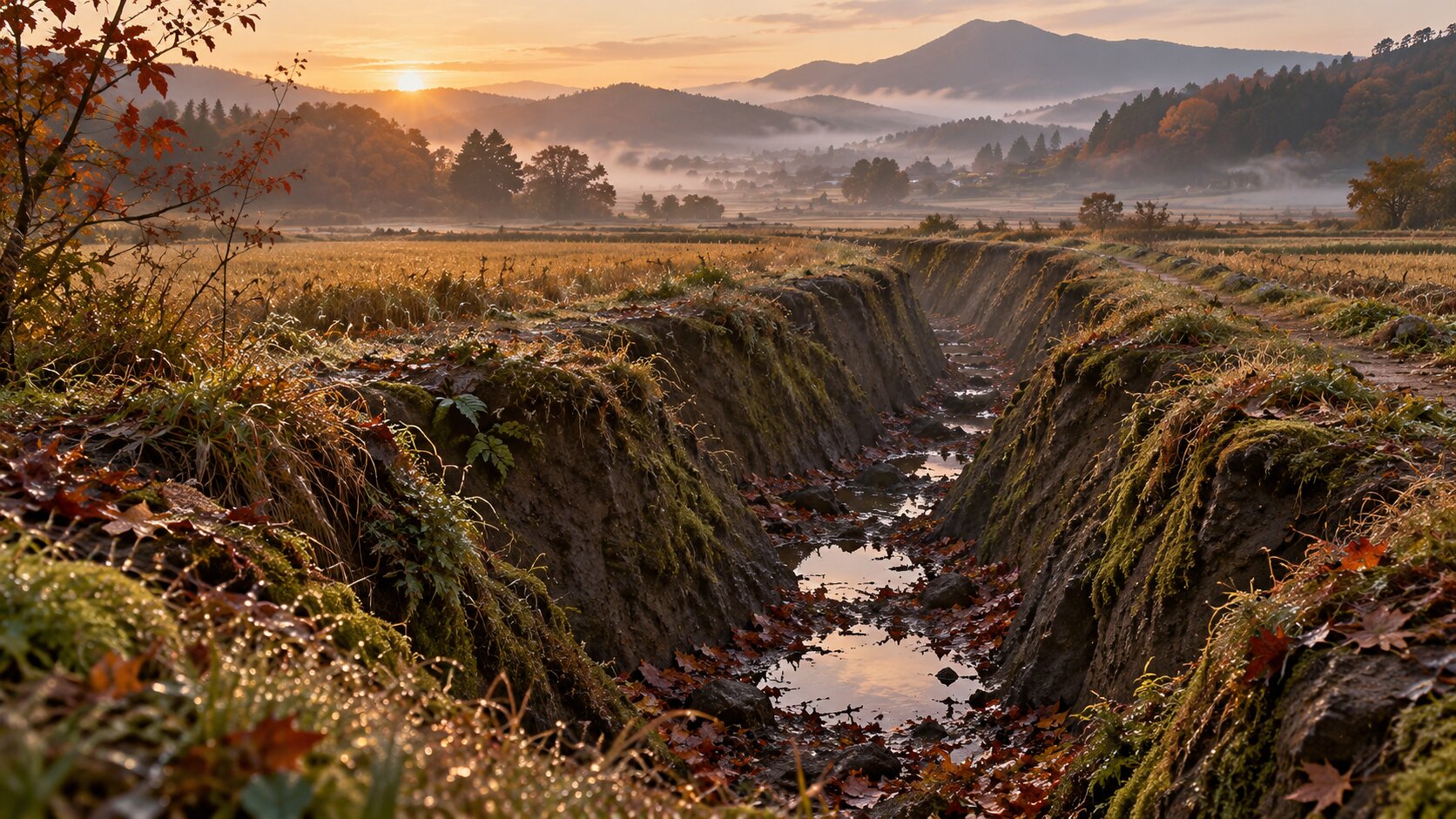
野を横切る深い壕に、
夜露と落ち葉が溜まっている。
守るための傷も、やがて風景になる。
Night dew and fallen leaves gather
in the deep trench crossing the field.
Even a wound made for protection becomes part of the landscape.
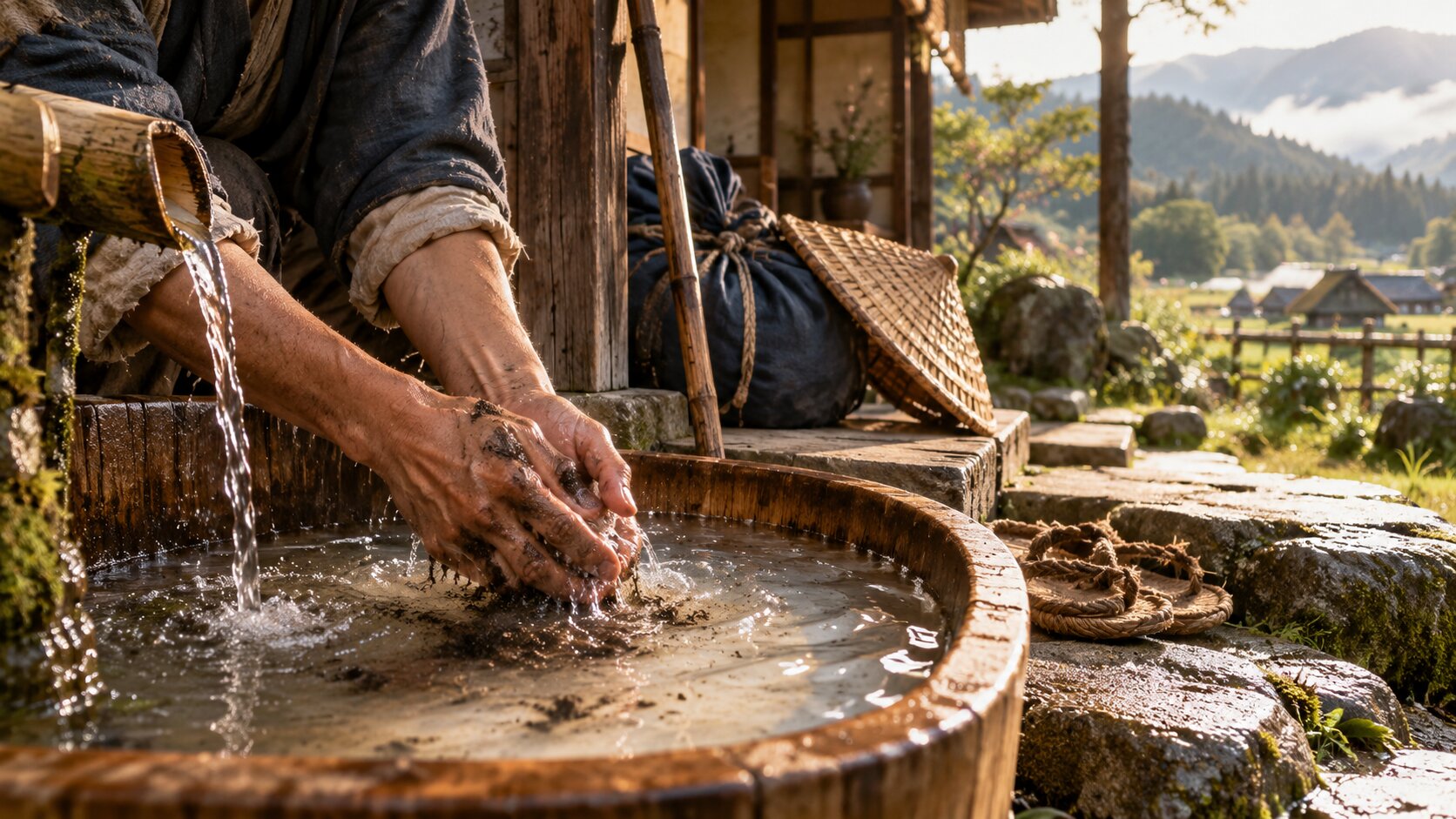
長い旅を終えた手を洗うと、
水が黒い垢を流してゆく。
疲れまで、少し軽くなった。
When the hands are washed after a long journey,
the water carries away the dark grime.
Even the weariness feels a little lighter.
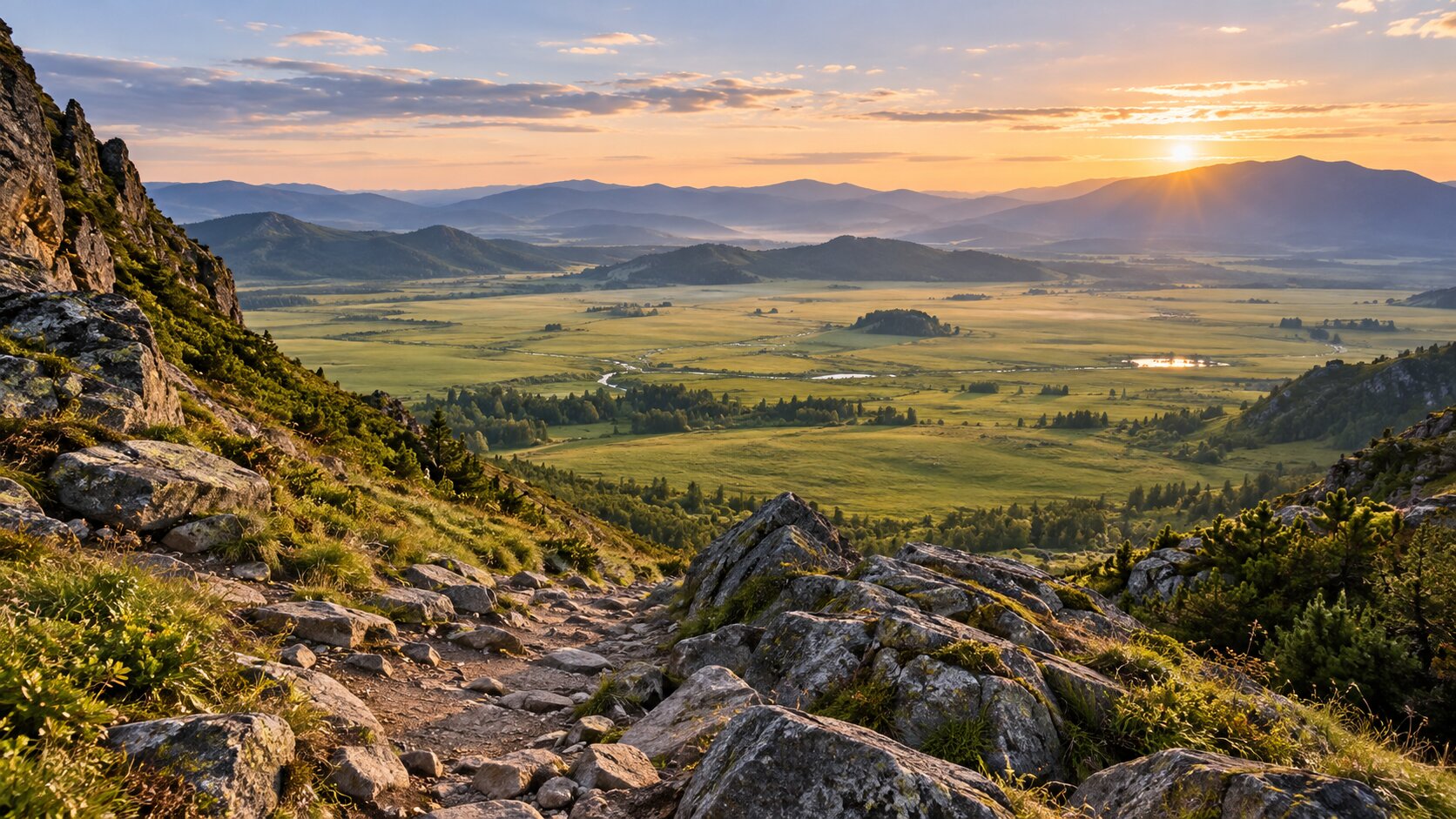
山を越えた先に、
坦らな草原が静かに広がる。
険しい道の後ほど、平らな地はありがたい。
Beyond the mountain pass,
a level grassland opens quietly.
Flat ground feels precious after a difficult road.
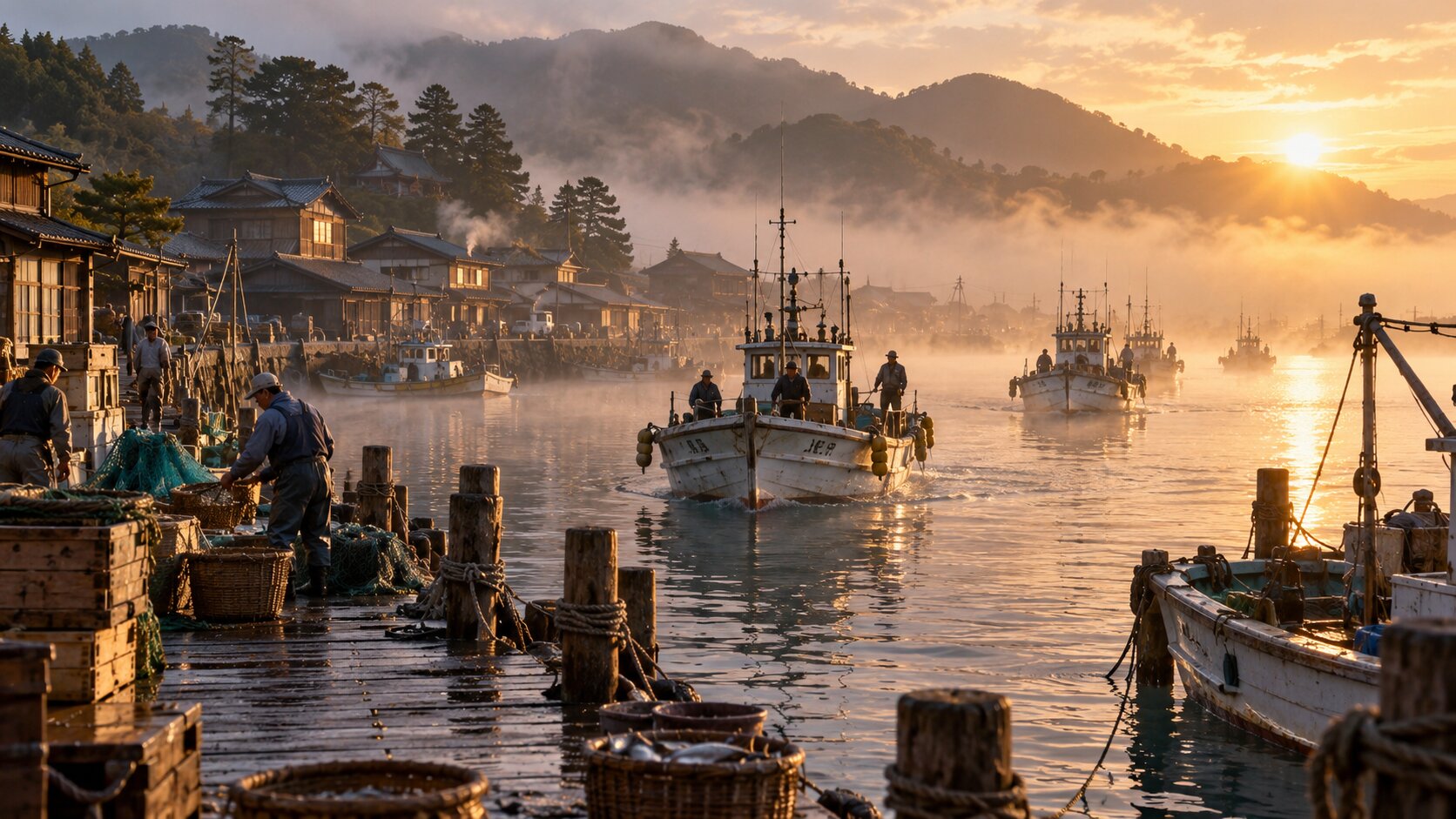
朝霧の埠頭に、
漁船が一艘ずつ帰ってくる。
海の仕事が、町の一日を始める。
One by one, fishing boats return
to the wharf in the morning mist.
The labor of the sea begins the town’s day.
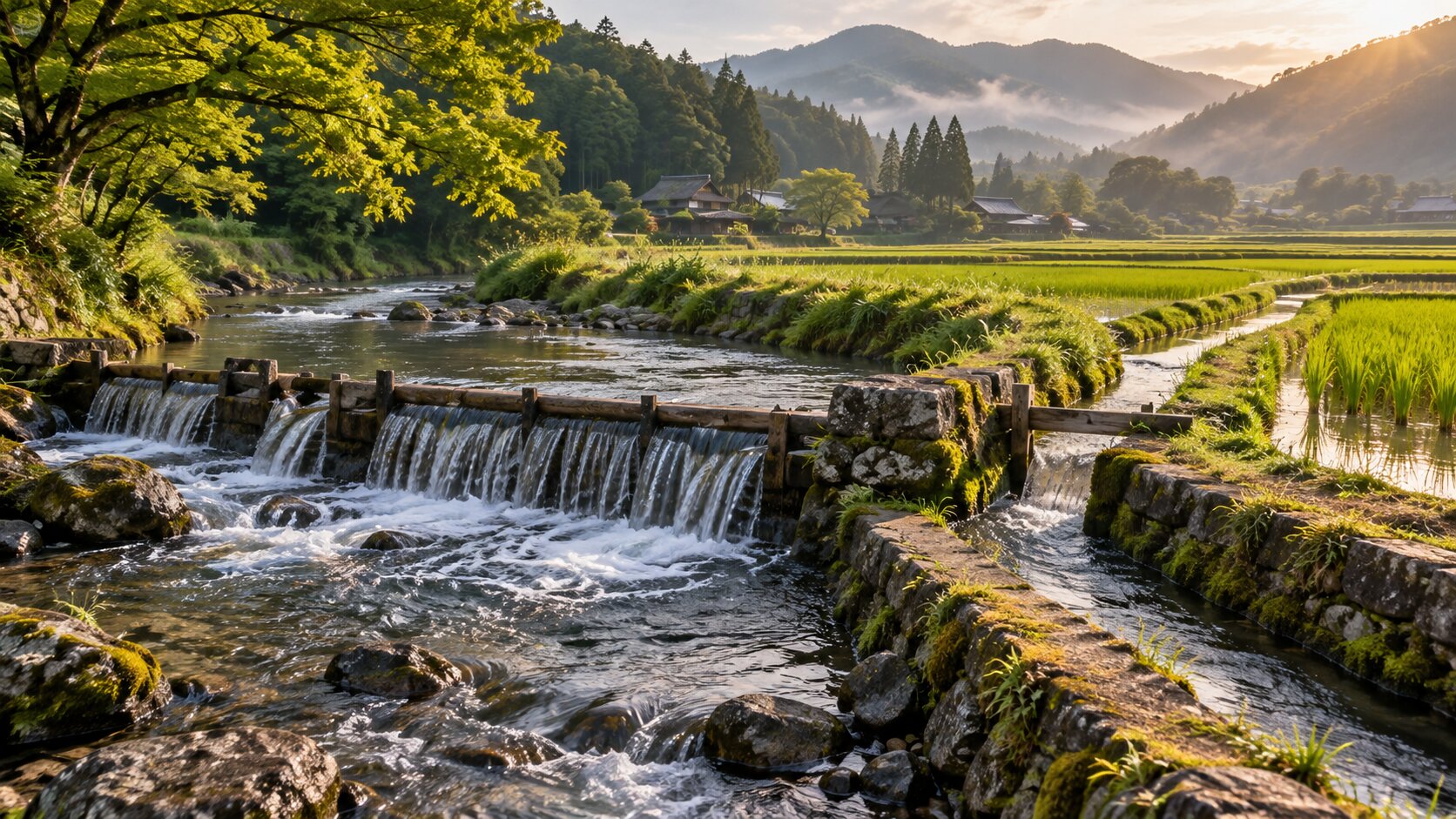
小川に築かれた堰が、
水を田へ静かに分けてゆく。
流れを止めずに、行き先を変える。
A weir built across the stream
quietly guides water toward the fields.
It changes the destination without ending the flow.
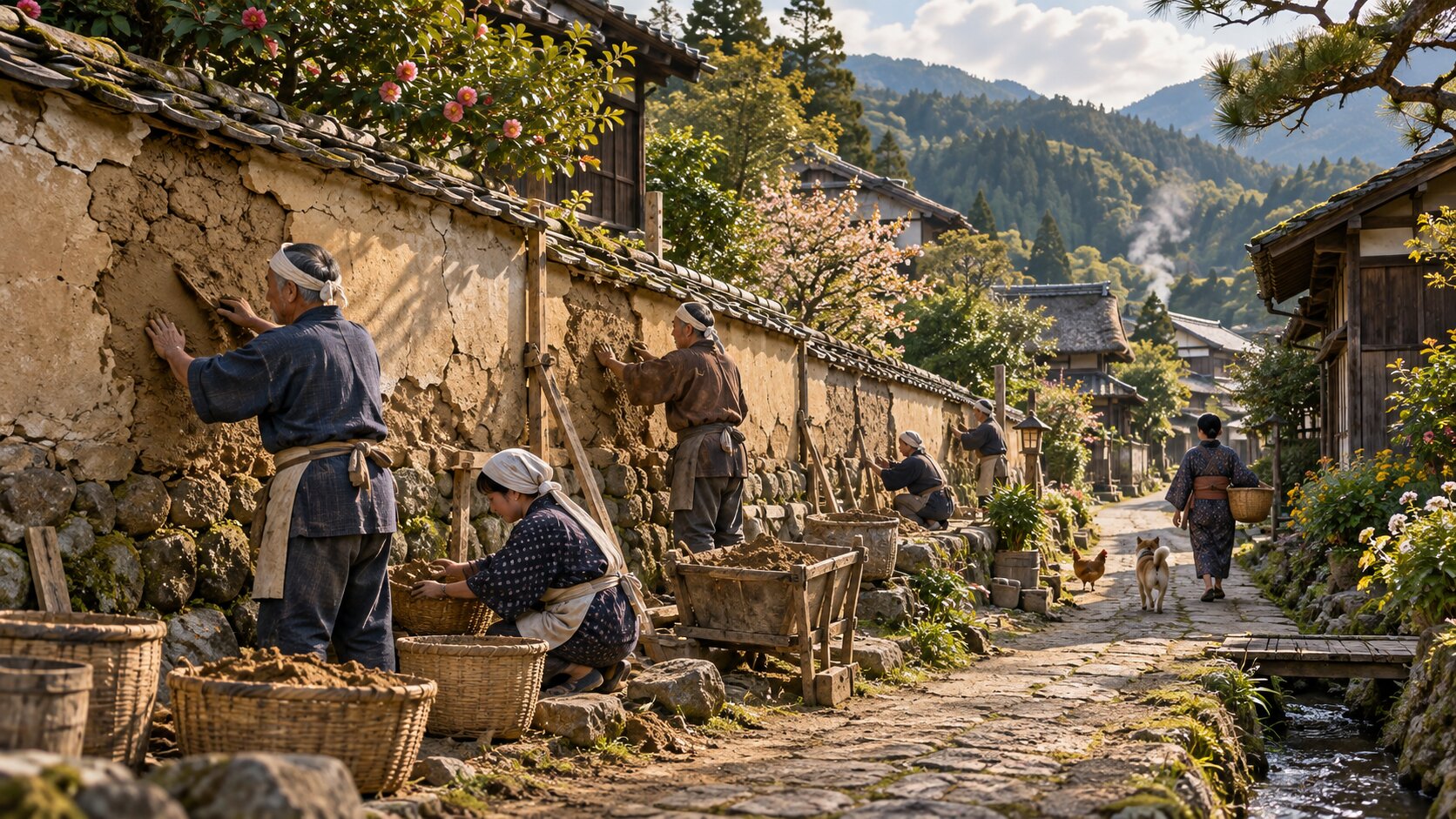
崩れかけた土塀を、
村人たちは一堵ずつ直してゆく。
暮らしは、小さな守りに囲まれている。
The villagers repair the crumbling earthen wall,
one section at a time.
Daily life is surrounded by small acts of protection.
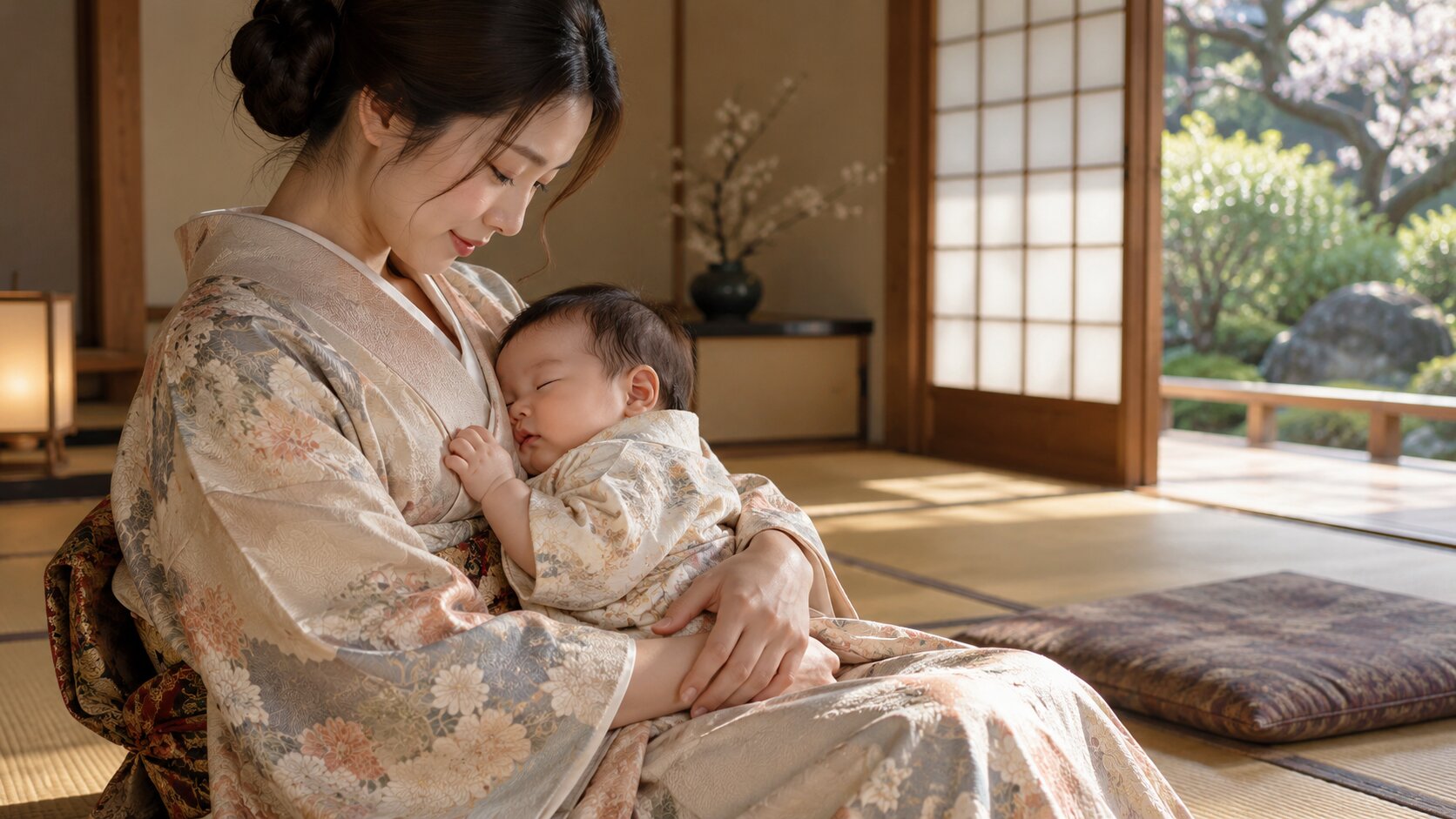
母の胸で嬰児が眠り、
小さな指が衣を握っている。
この世への信頼は、抱かれることから始まる。
An infant sleeps against its mother’s breast,
tiny fingers grasping her robe.
Trust in the world begins with being held.
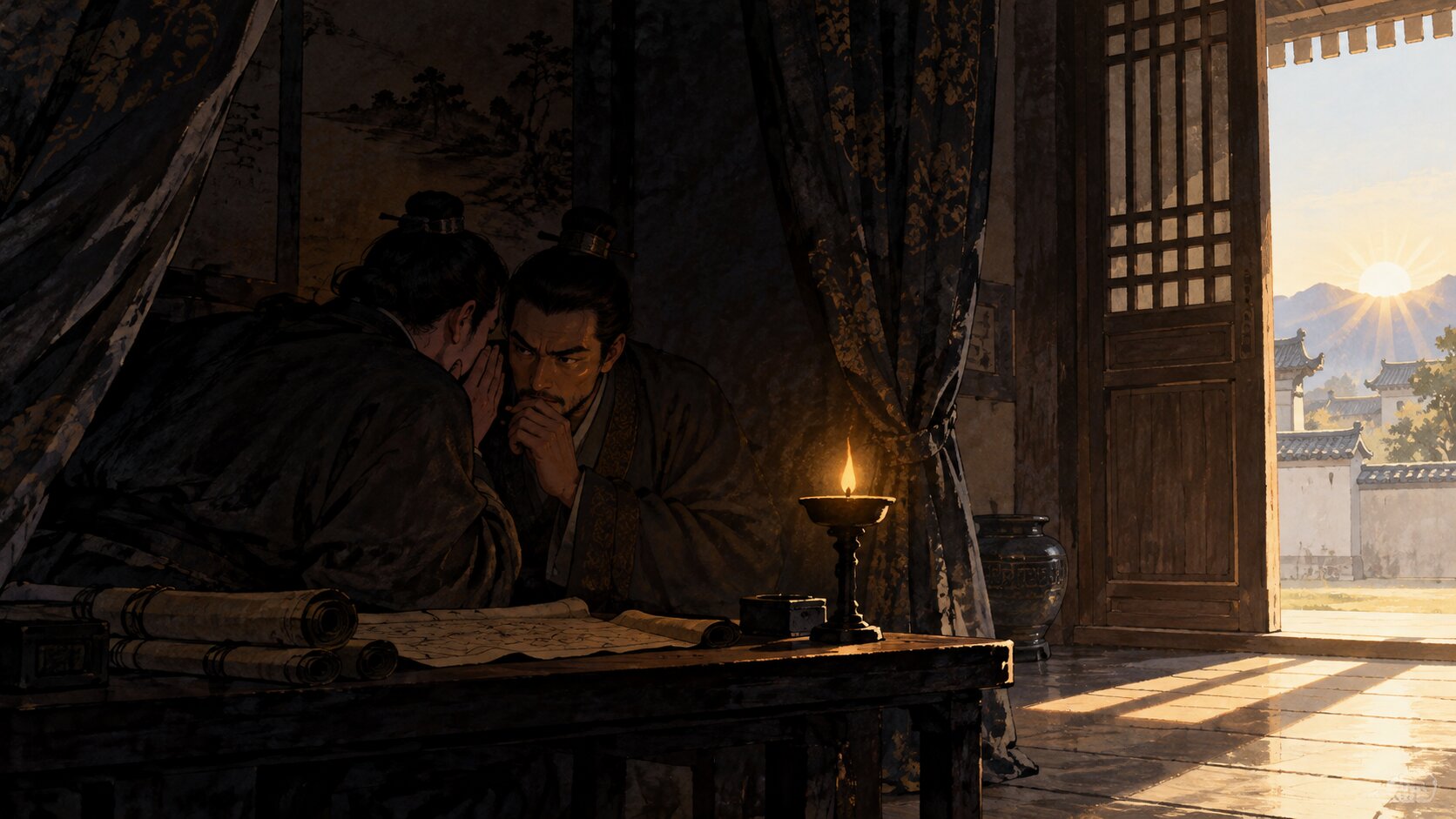
閉ざされた部屋で交わされた企みも、
朝の光までは隠せない。
姦は、人の信頼を闇に変える。
Even a plot whispered in a closed room
cannot hide from the morning light.
Wickedness turns human trust into darkness.
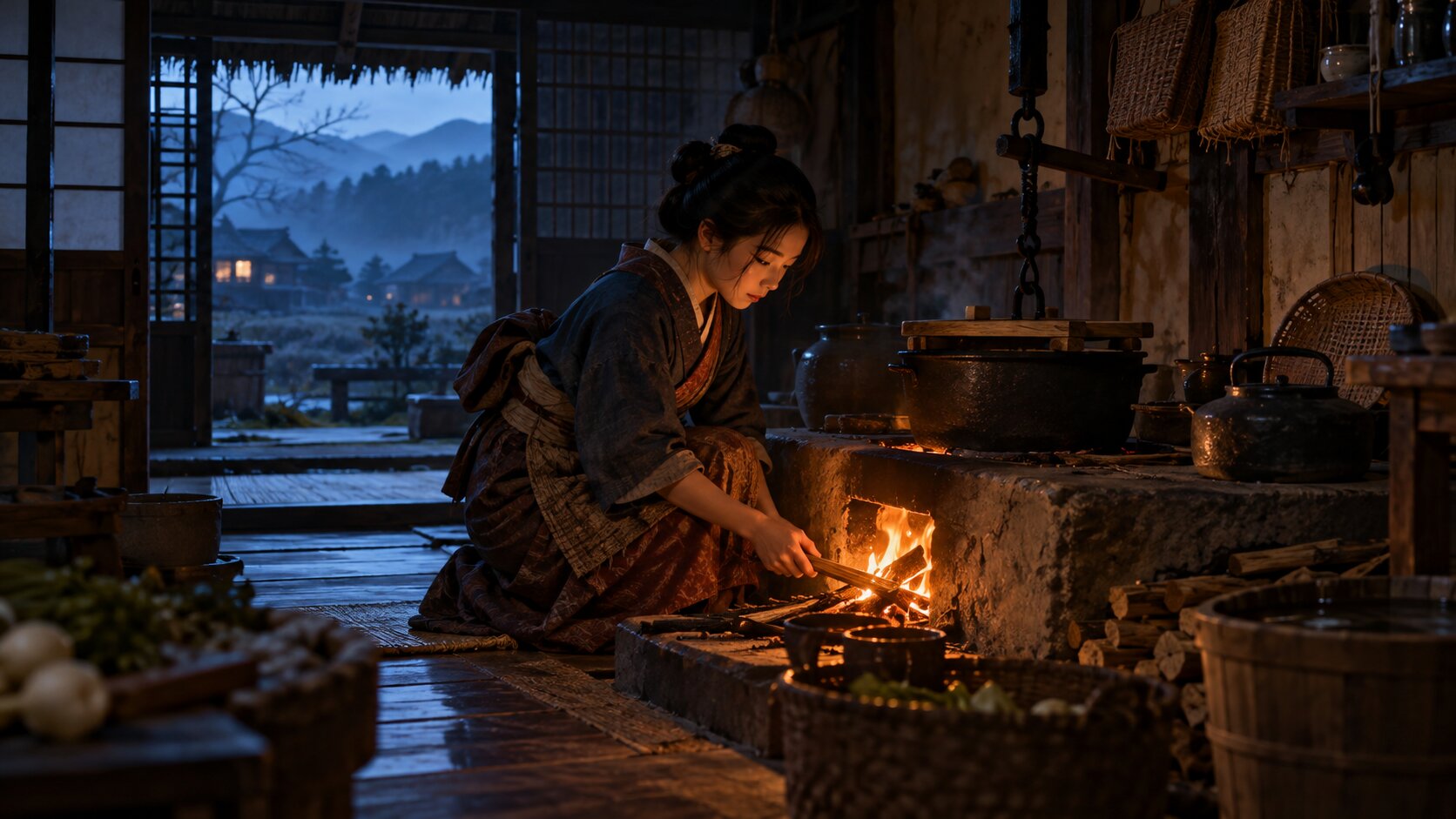
まだ暗い台所で、
婢は誰より早く火を起こす。
名も残らぬ手が、一日の暮らしを支える。
In the kitchen before dawn,
the maidservant lights the fire before anyone else.
Unremembered hands support the life of the day.
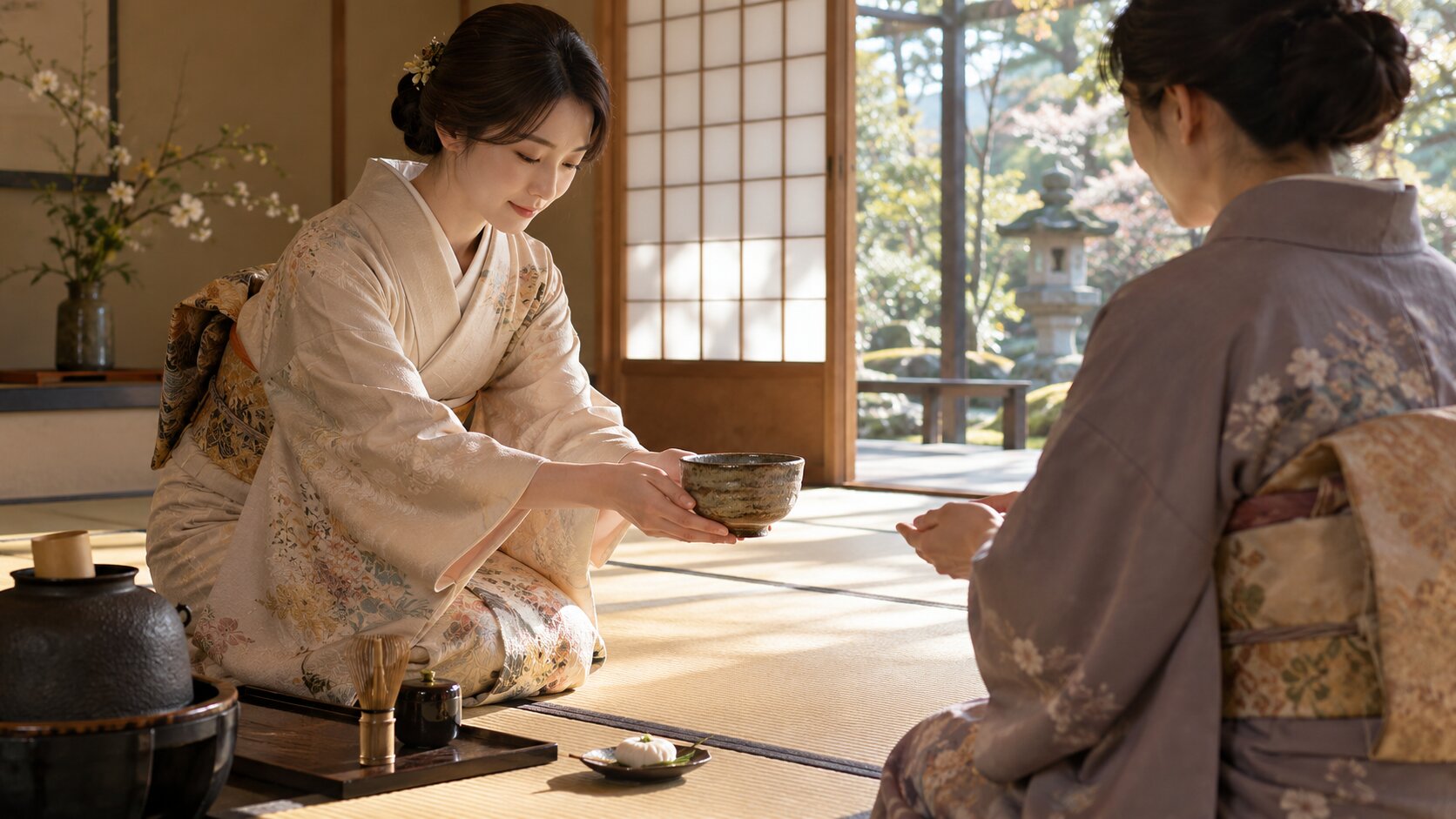
客に茶を差し出す手は、
音もなく婉やかに動く。
柔らかな所作が、場を穏やかにする。
The hands offering tea
move with quiet grace.
Gentle gestures bring calm to the room.
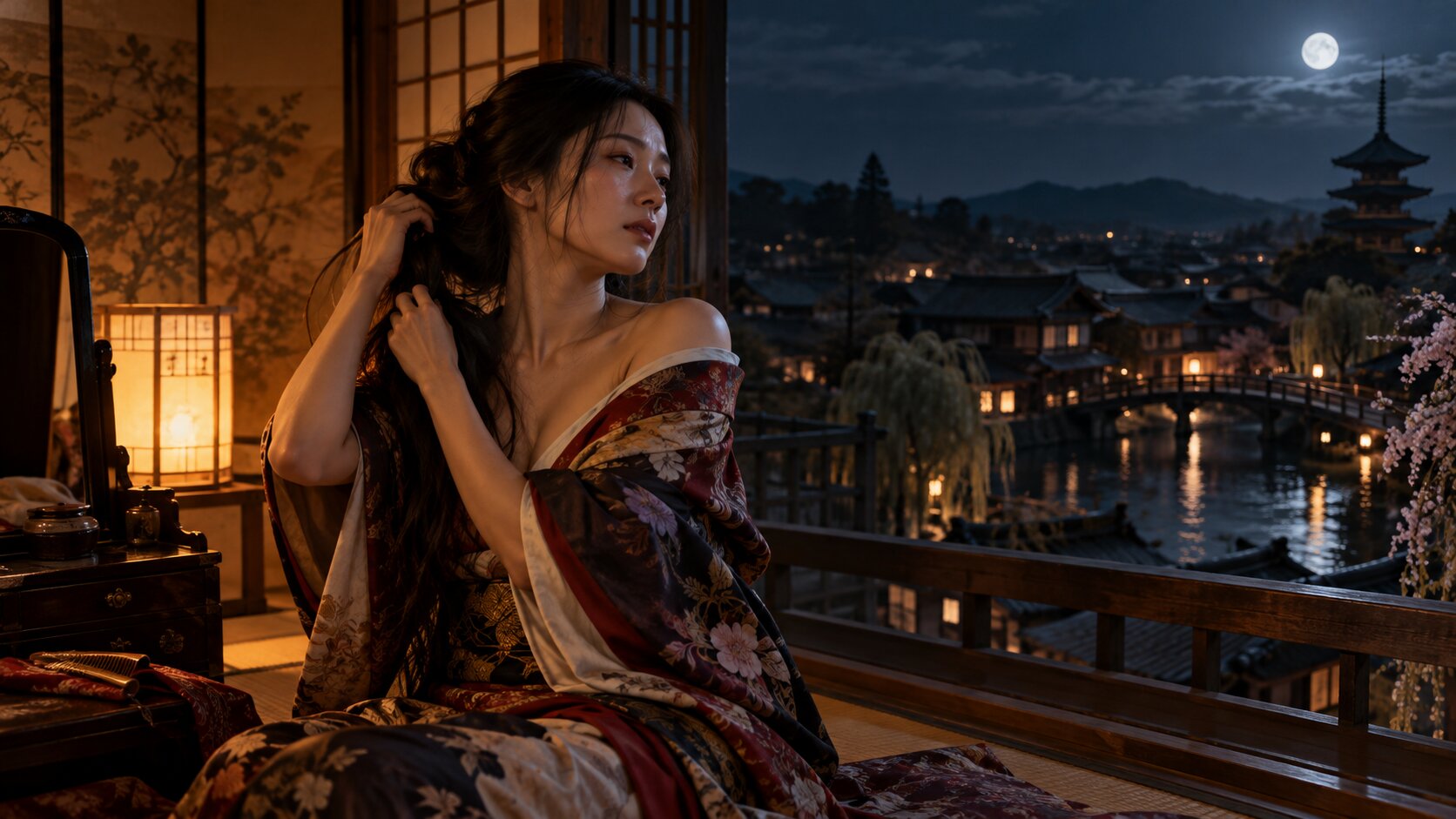
夜の窓辺で髪を解き、
娼婦は灯の消えた町を見る。
人の役目を離れた時、ただ一人の女に戻る。
Loosening her hair beside the night window,
the courtesan looks over the darkened town.
When her role falls away, she becomes simply one woman.
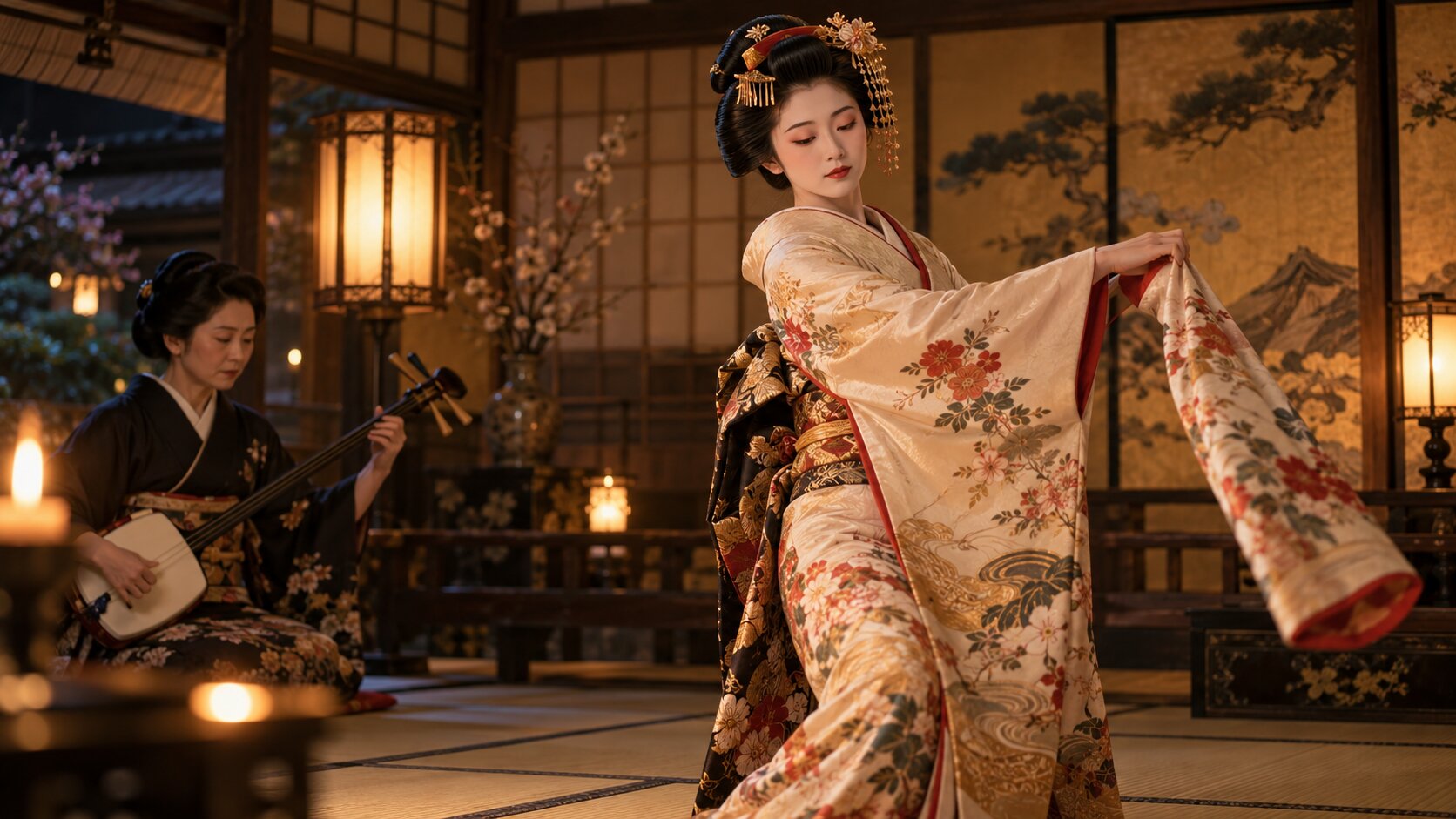
三味線の音に合わせ、
妓は袖を静かに返す。
磨かれた芸の裏に、長い稽古の日々がある。
Moving with the sound of the shamisen,
the entertainer turns her sleeve softly.
Behind refined art lie long years of practice.
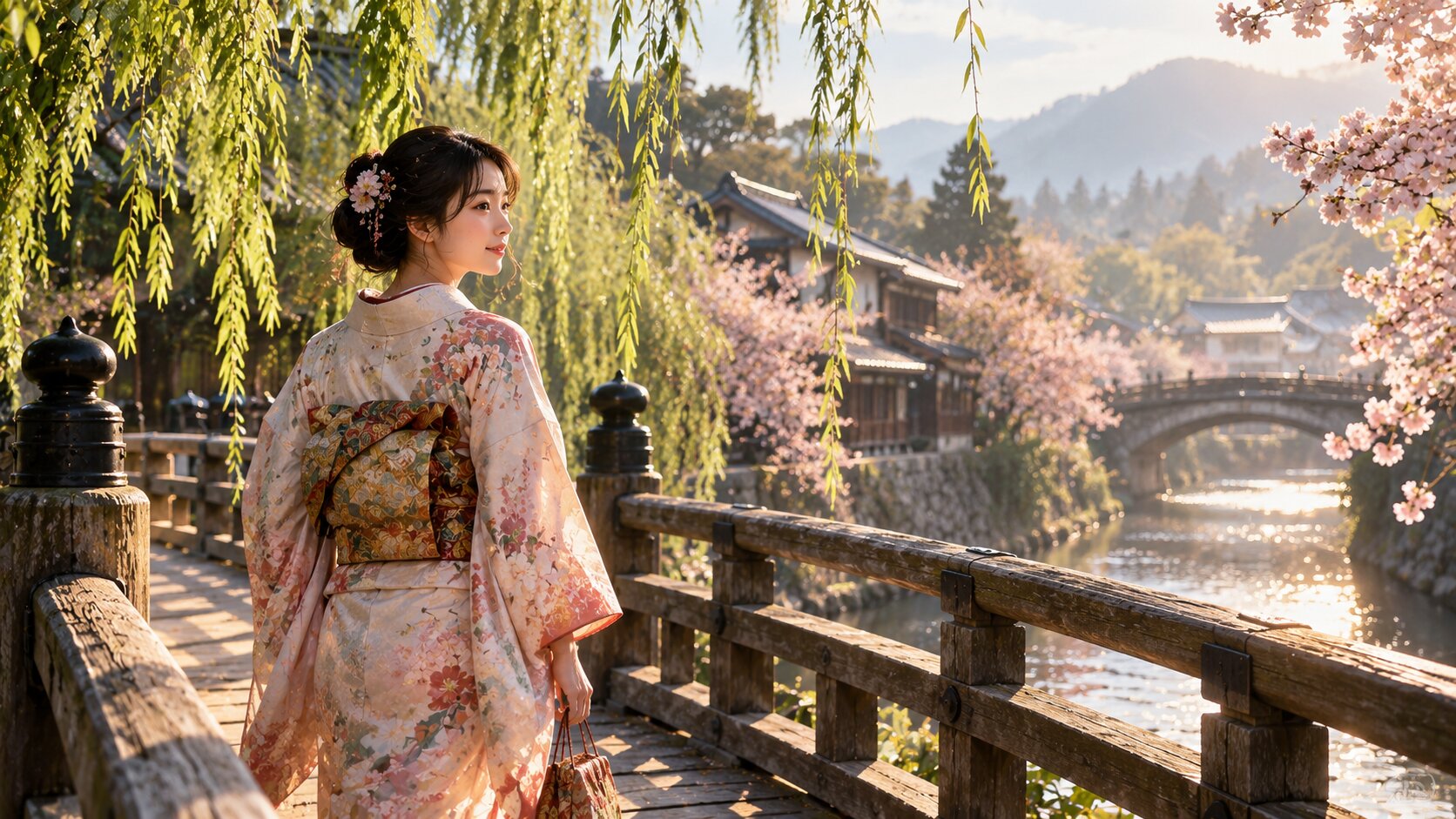
春の橋を渡る娘に、
柳の若葉が風の中で揺れる。
美しさは、景色まで明るくする。
As a young woman crosses the bridge in spring,
fresh willow leaves move in the wind.
Beauty seems to brighten even the landscape.
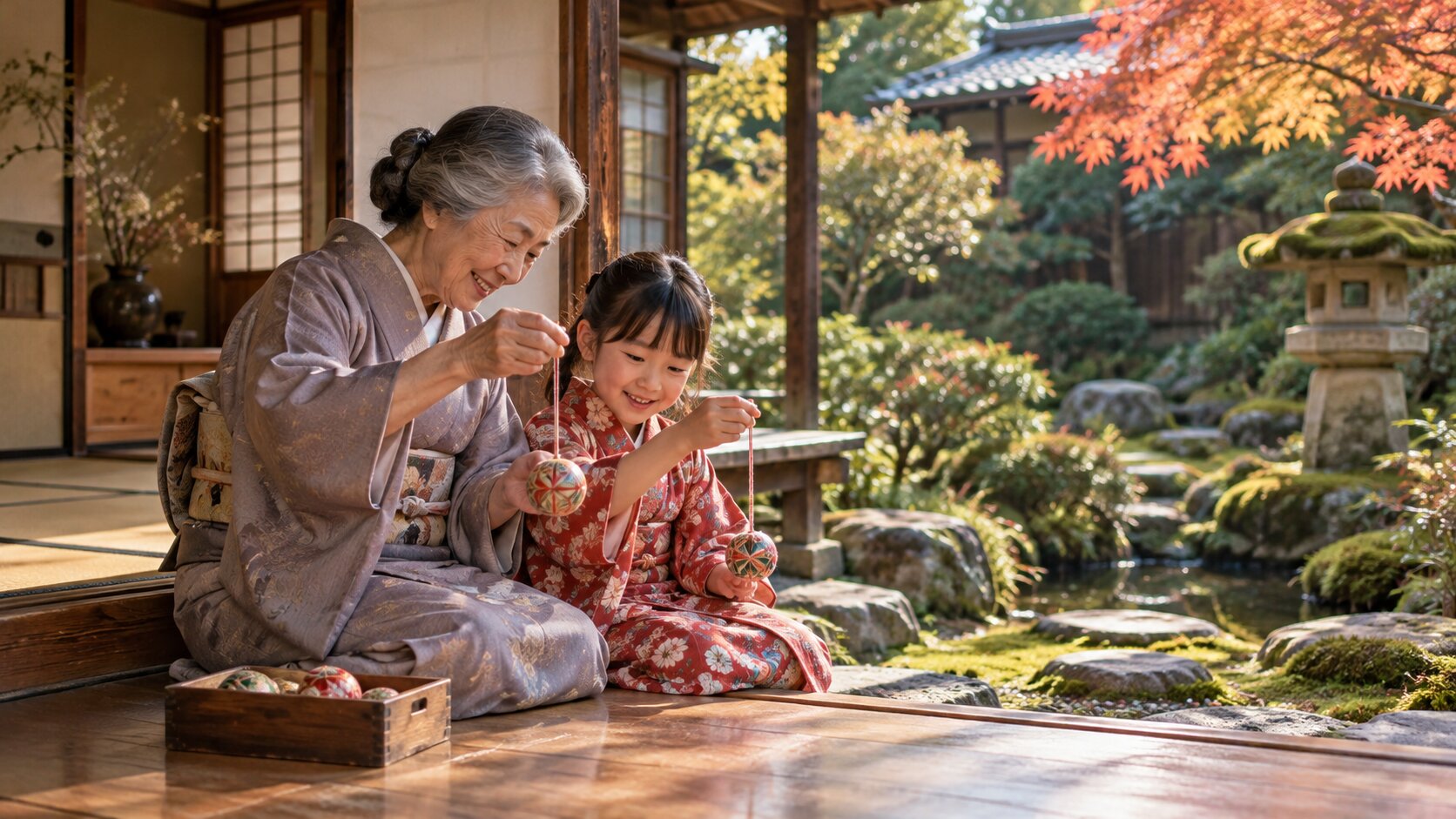
久しぶりに訪れた姪が、
祖母の庭で昔の遊びを覚える。
家族の記憶は、次の世代へ渡される。
A niece visiting after many years
learns old games in her grandmother’s garden.
Family memories pass to the next generation.
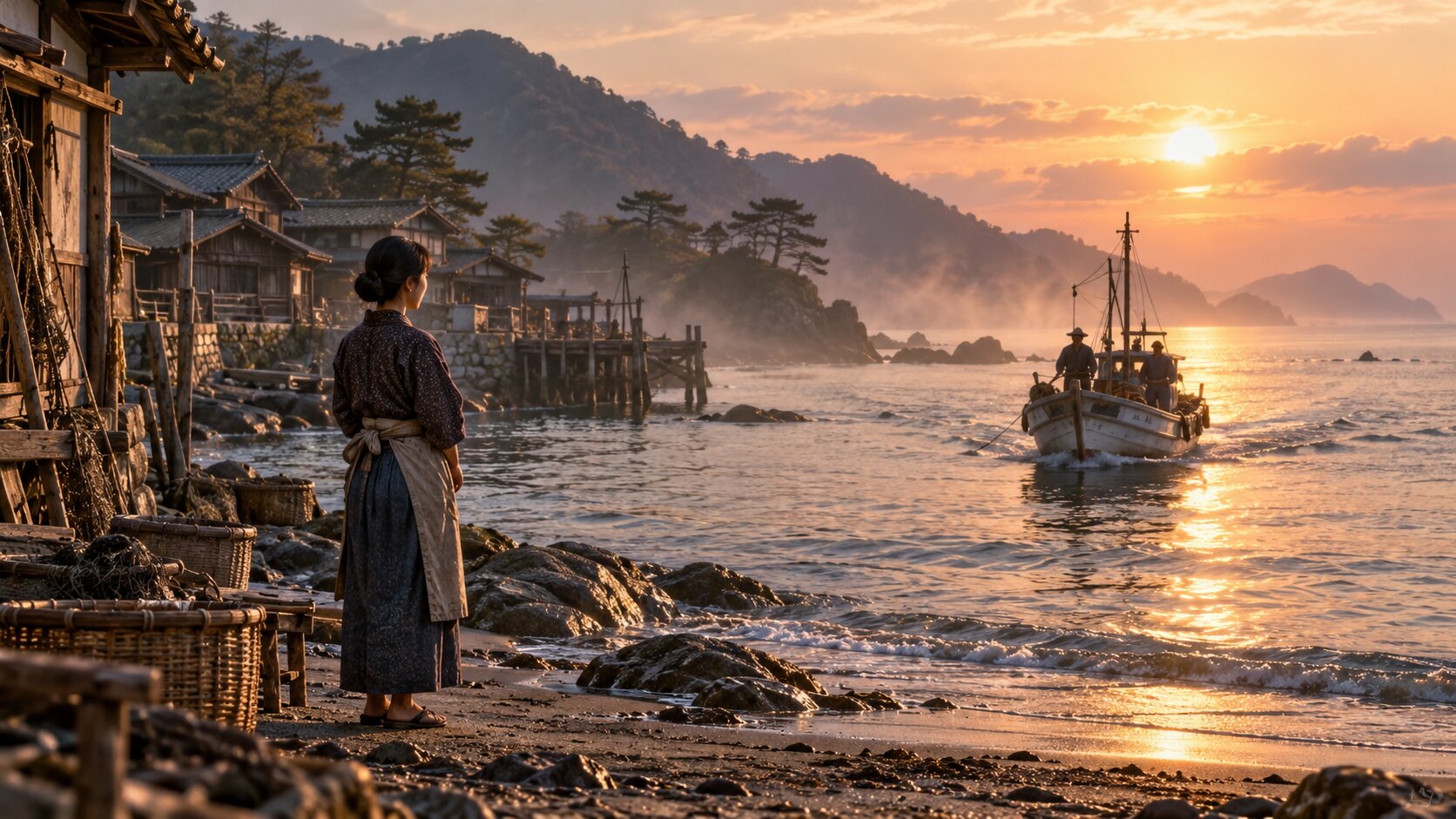
漁から戻る舟を、
嬬は岸辺で黙って待っている。
待つ時間もまた、共に生きる時間である。
A wife waits silently on the shore
for the boat returning from the sea.
Time spent waiting is also part of a life shared.
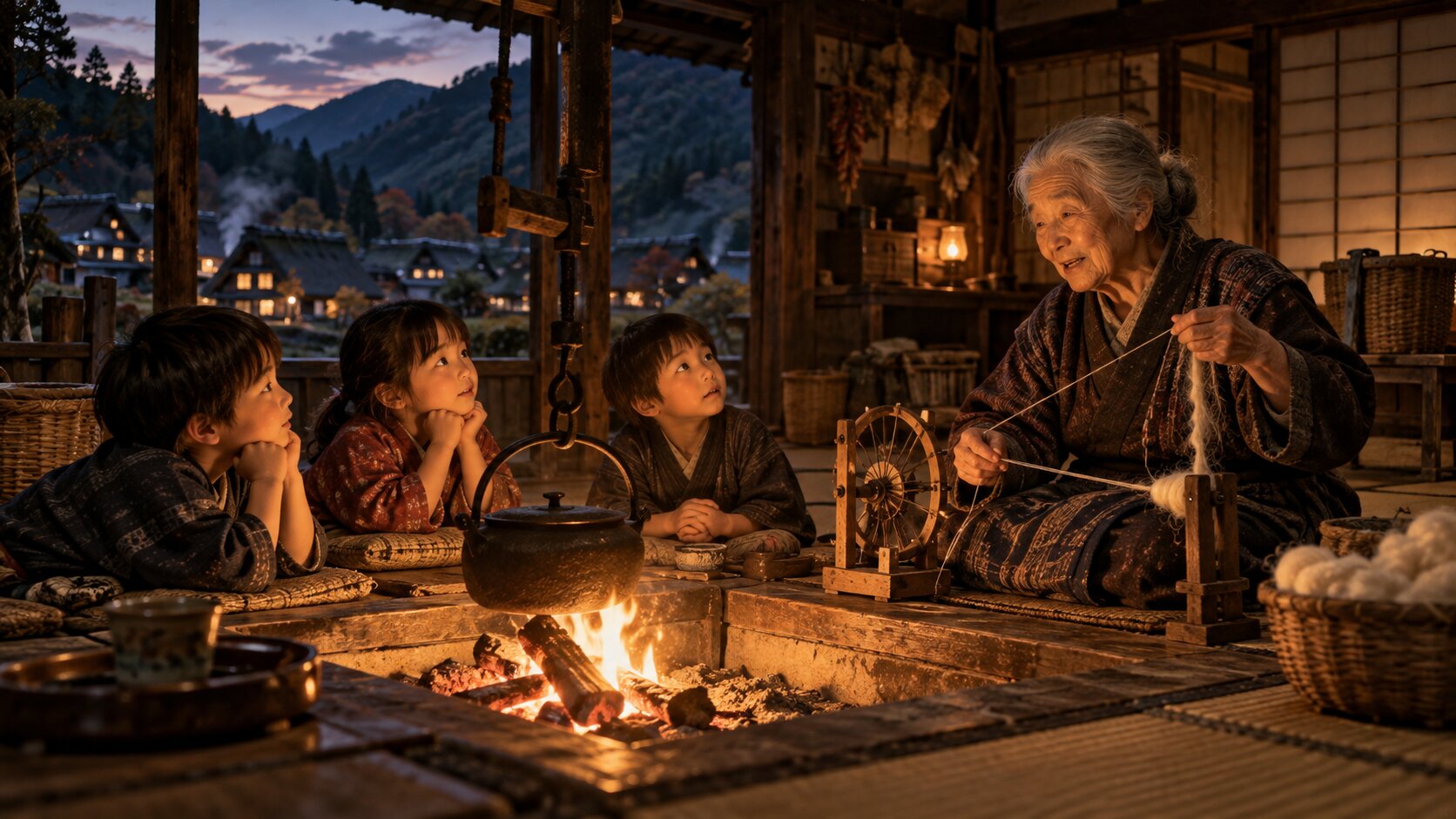
姥は炉端で糸を紡ぎ、
昔の村の話を子どもに聞かせる。
老いた声の中に、消えた景色が残っている。
An old woman spins thread beside the hearth
and tells the children stories of the village long ago.
Lost landscapes remain within an aging voice.
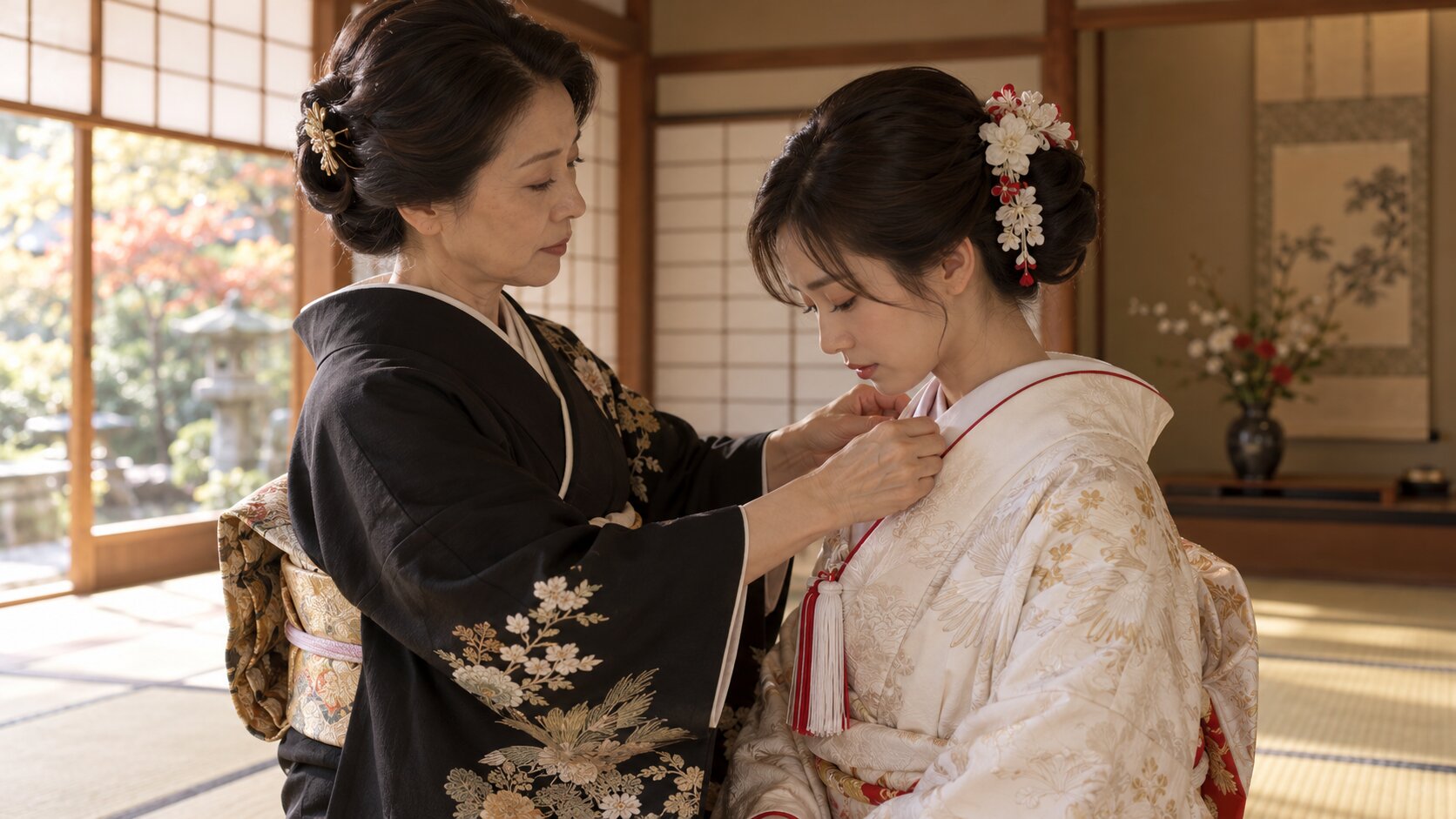
姑は何も言わず、
新しい嫁の乱れた襟をそっと直す。
厳しさの奥に、受け継がせたい思いがある。
Without a word, the mother-in-law
gently straightens the young bride’s collar.
Behind severity lies the wish to pass something on.
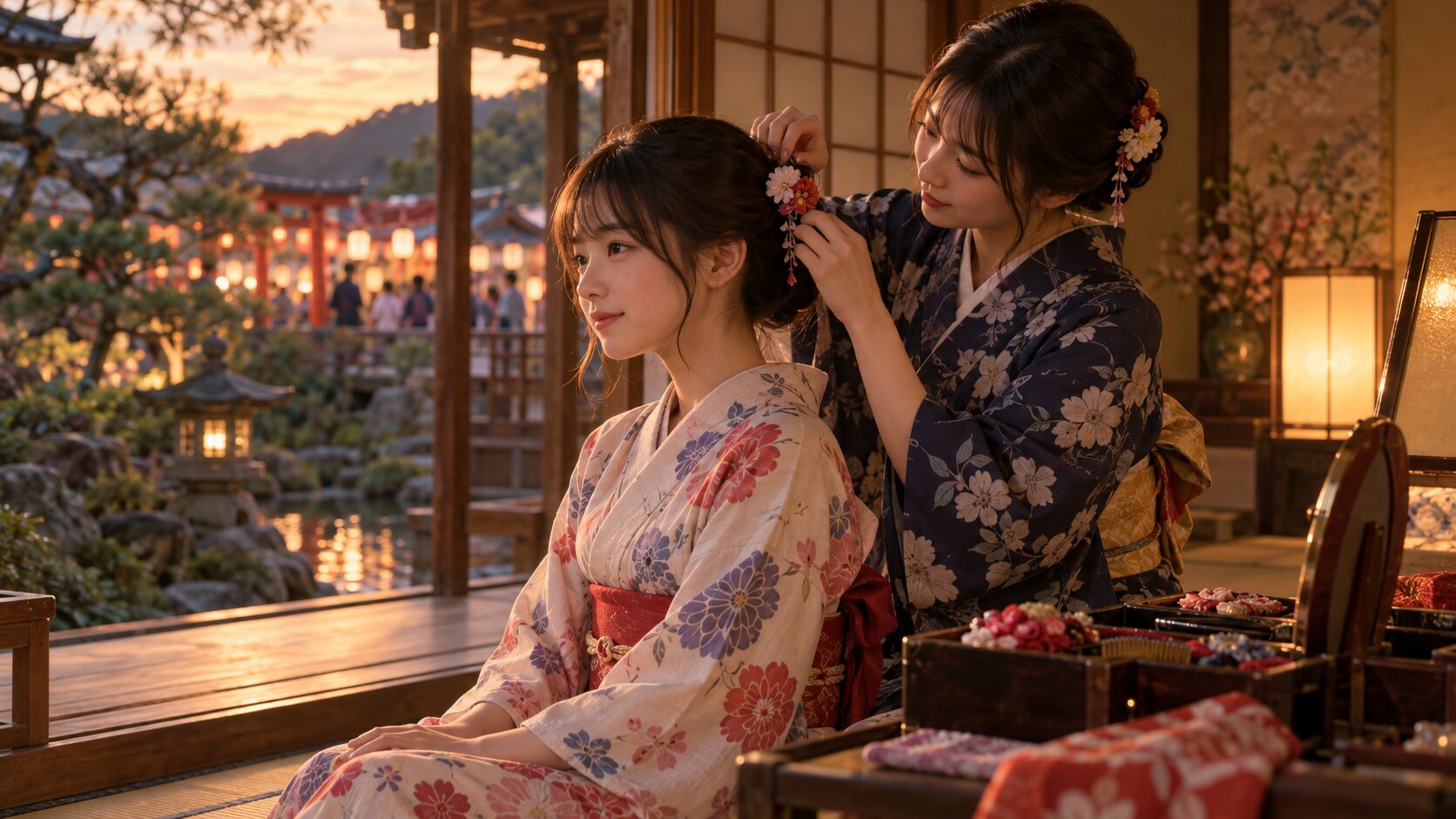
姉は妹の髪を結い、
祭りの支度を整えてやる。
先に歩いた者は、後ろの者を導く。
An elder sister ties her younger sister’s hair
and helps prepare her for the festival.
Those who walk ahead guide those who follow.
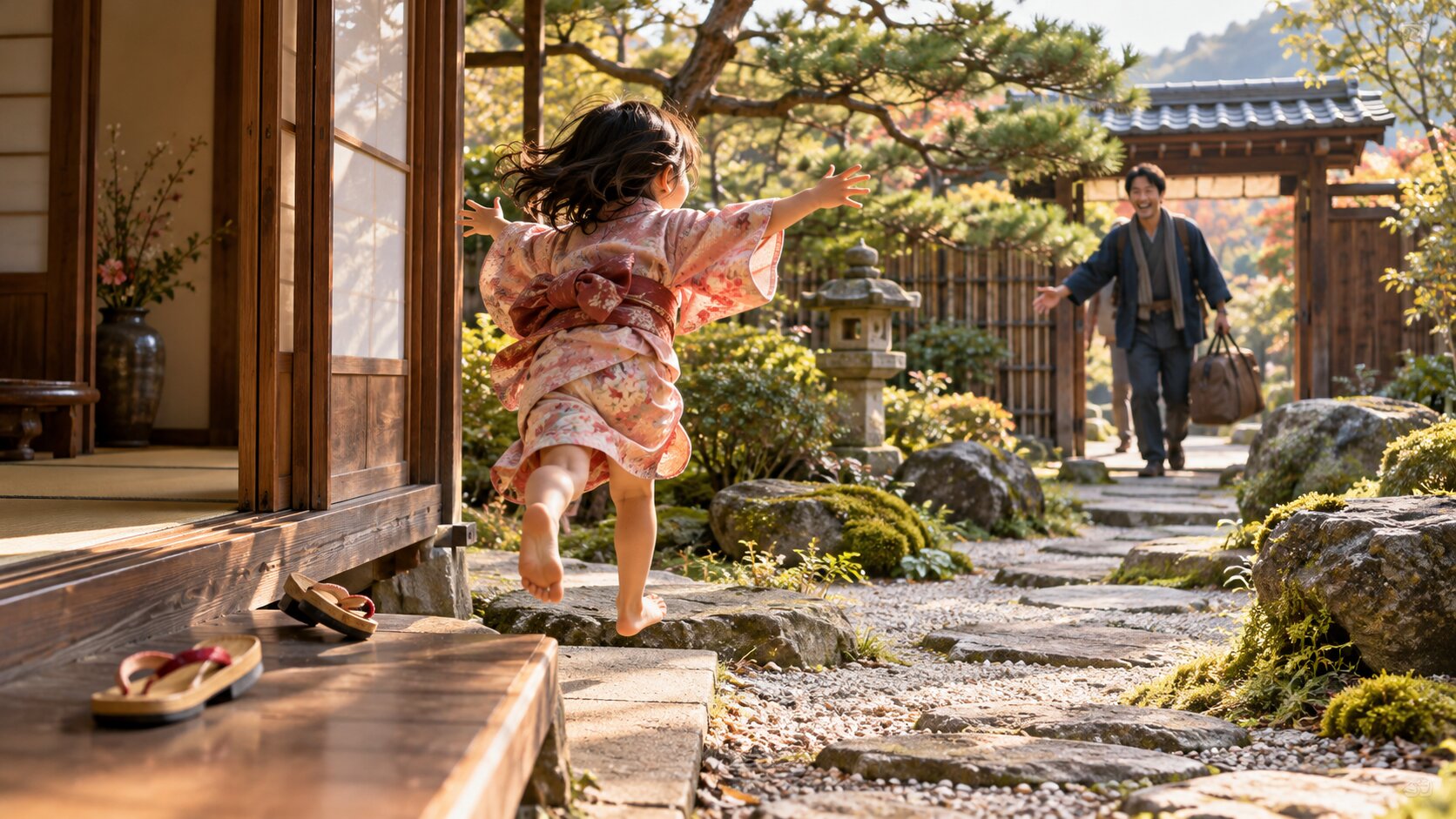
遠くから帰った人の姿を見つけ、
子どもは履物も揃えず庭へ走る。
嬉しさは、礼儀より先に身体を動かす。
Catching sight of someone returning from afar,
a child runs into the garden without arranging their sandals.
Gladness moves the body before manners can intervene.