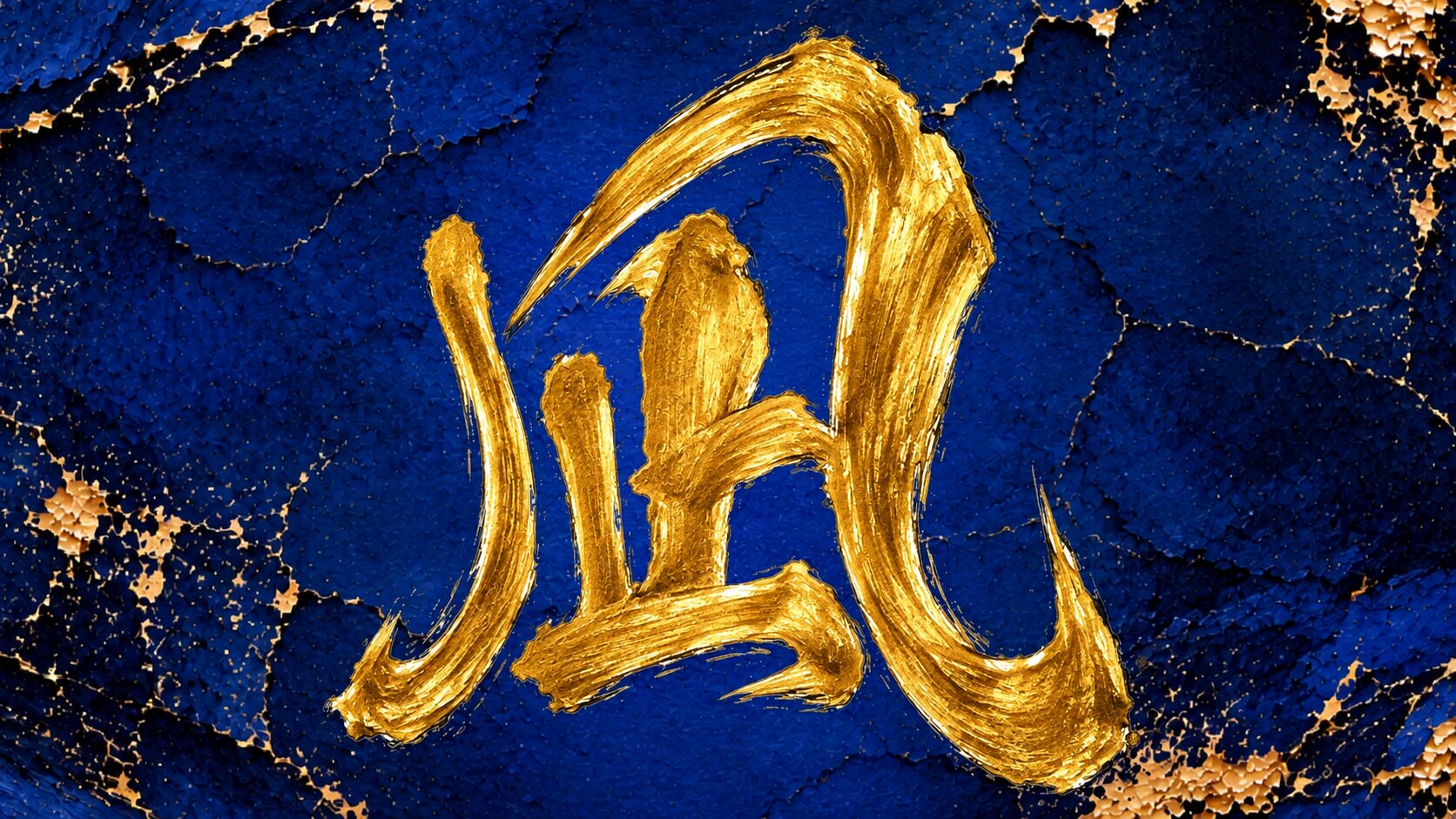
💡 Tip: Click the featured kanji to view stroke order animations
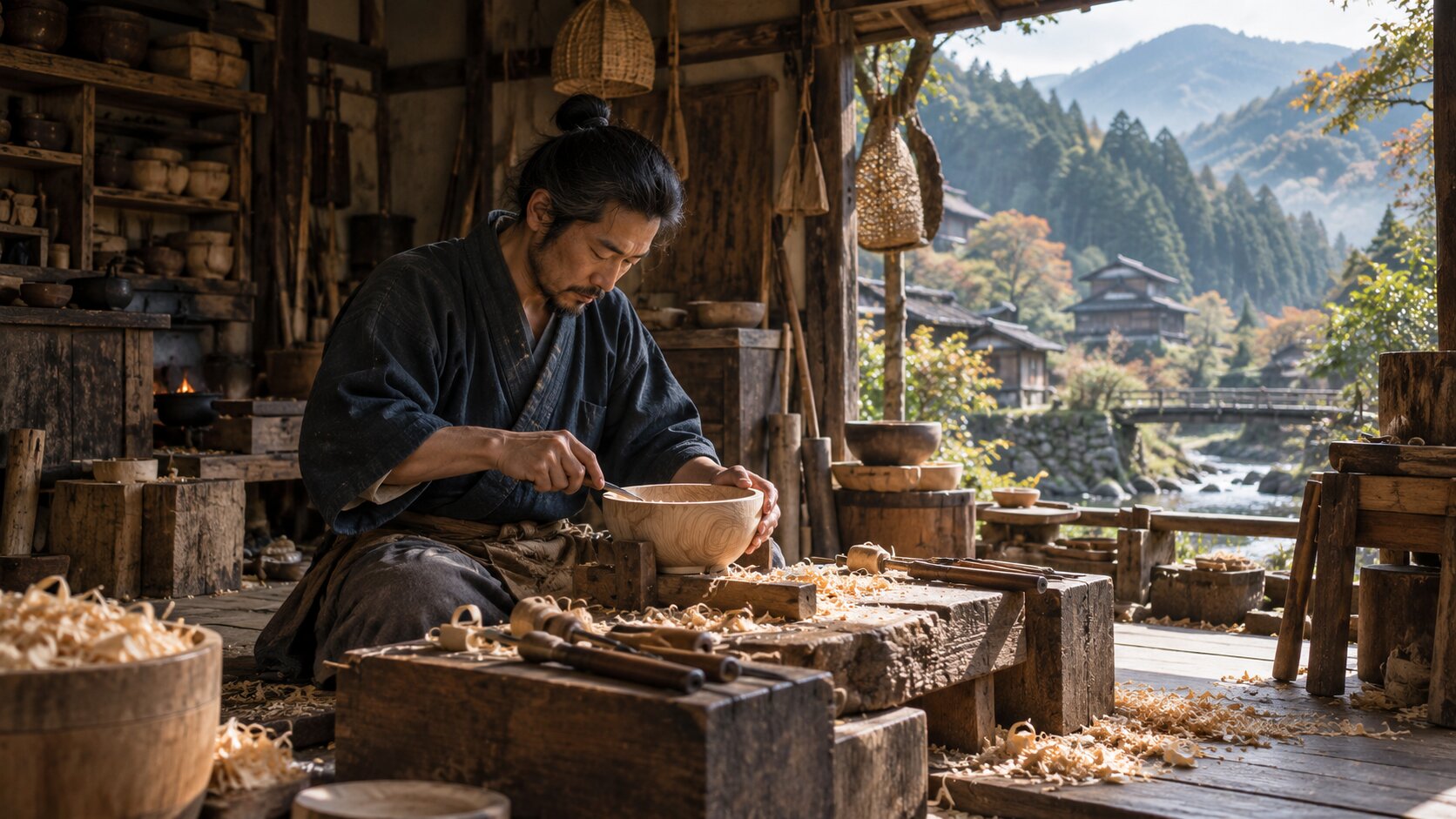
山里の工房で、
職人は黙って一つの椀を做す。
形あるものは、静かな手から生まれる。
In a mountain workshop,
a craftsman silently makes a single bowl.
Things of form are born from quiet hands.
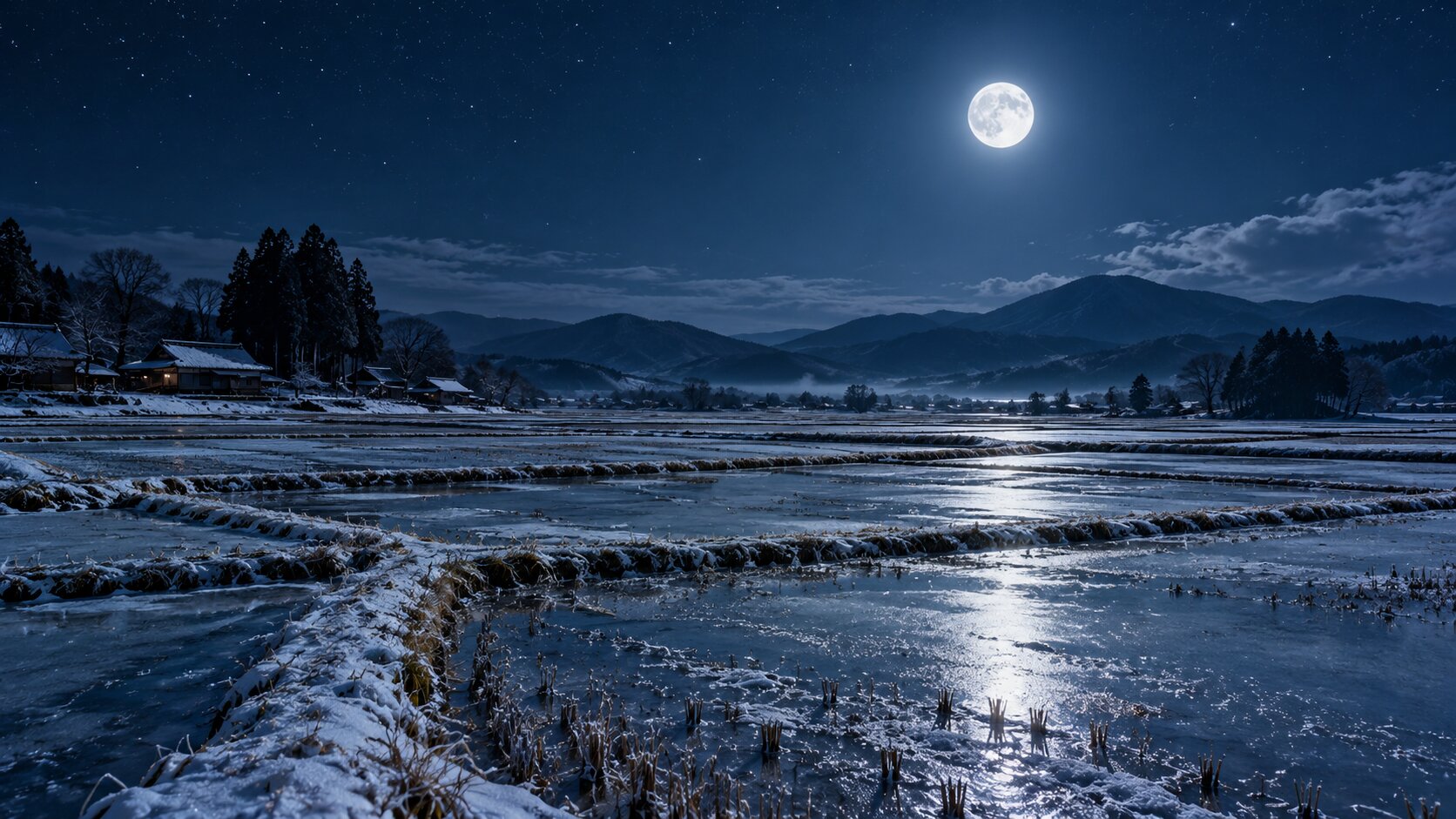
冬の夜、月が冴え、
凍った田を青白く照らしている。
冷たい空ほど、光は澄んで見える。
On a winter night, the moon shines clear,
casting pale light across the frozen fields.
The colder the sky, the purer the light appears.
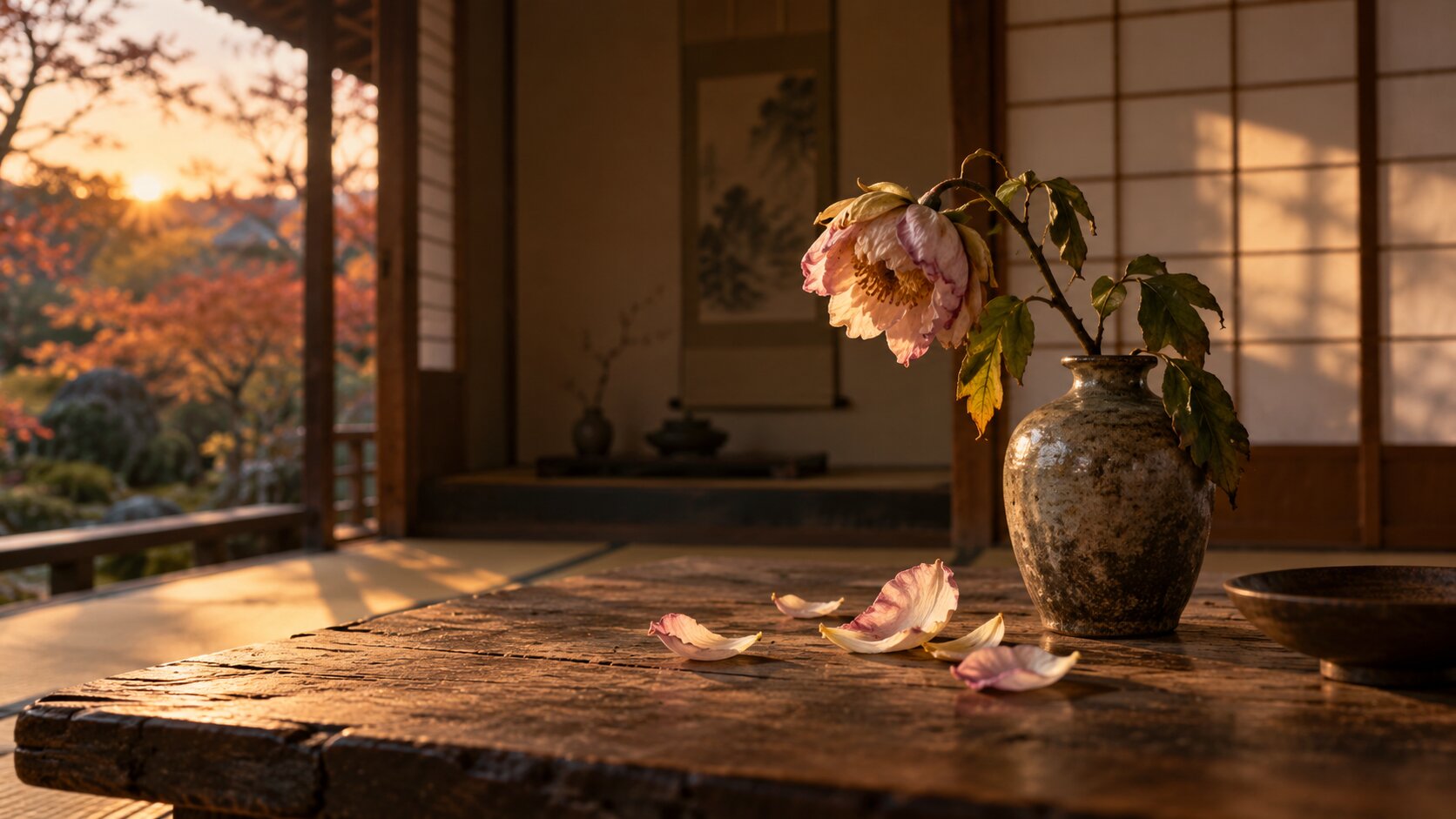
花は静かに凋み、
卓上に数枚の花びらを残す。
終わりにも、柔らかな美しさがある。
The flower quietly withers,
leaving a few petals upon the table.
There is gentle beauty even in an ending.
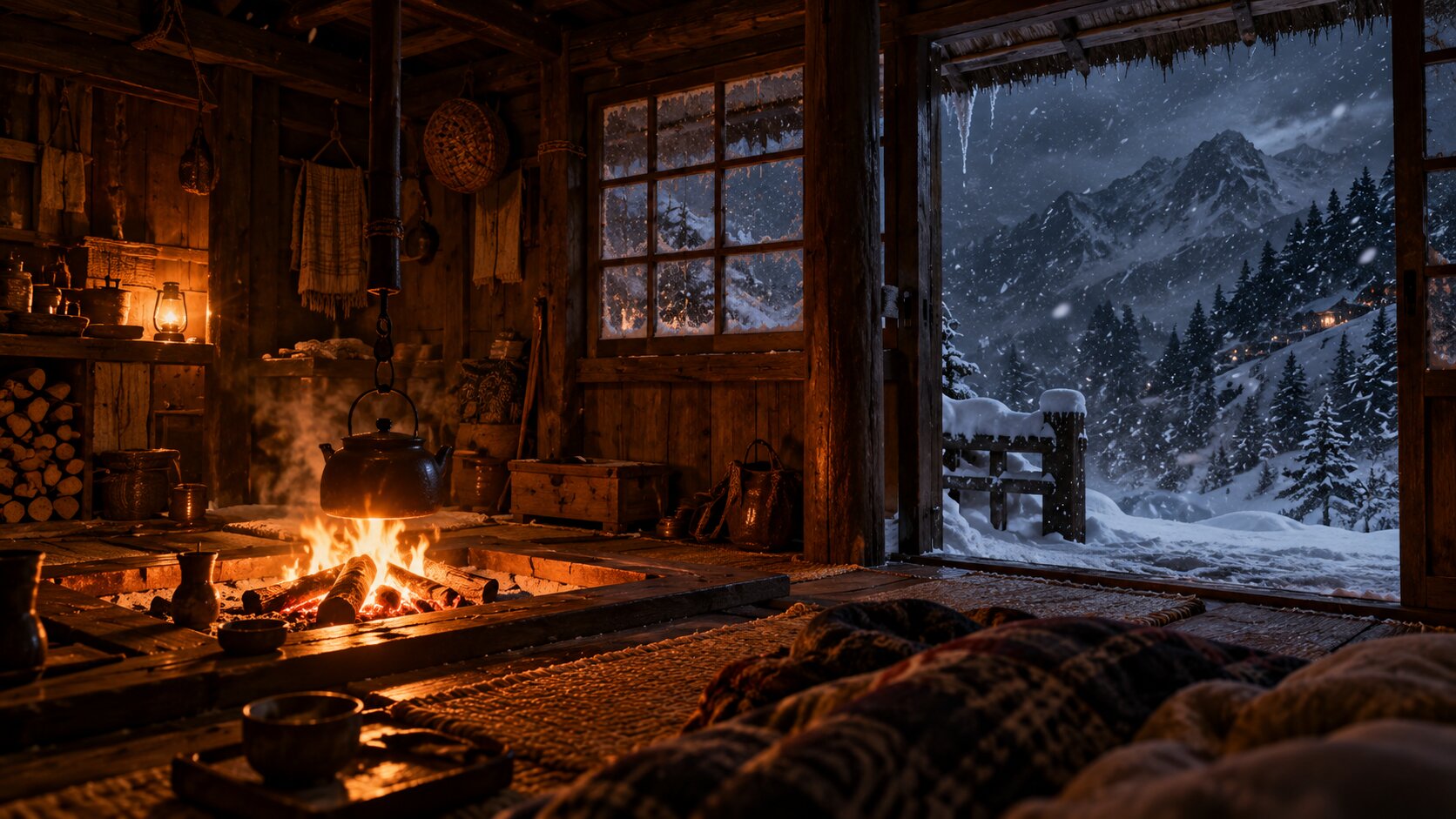
吹雪を凌ぐ山小屋に、
小さな火が一晩中燃えている。
耐える力は、消えない温もりに宿る。
Inside a hut enduring the blizzard,
a small fire burns through the night.
The strength to endure lives in warmth that does not go out.
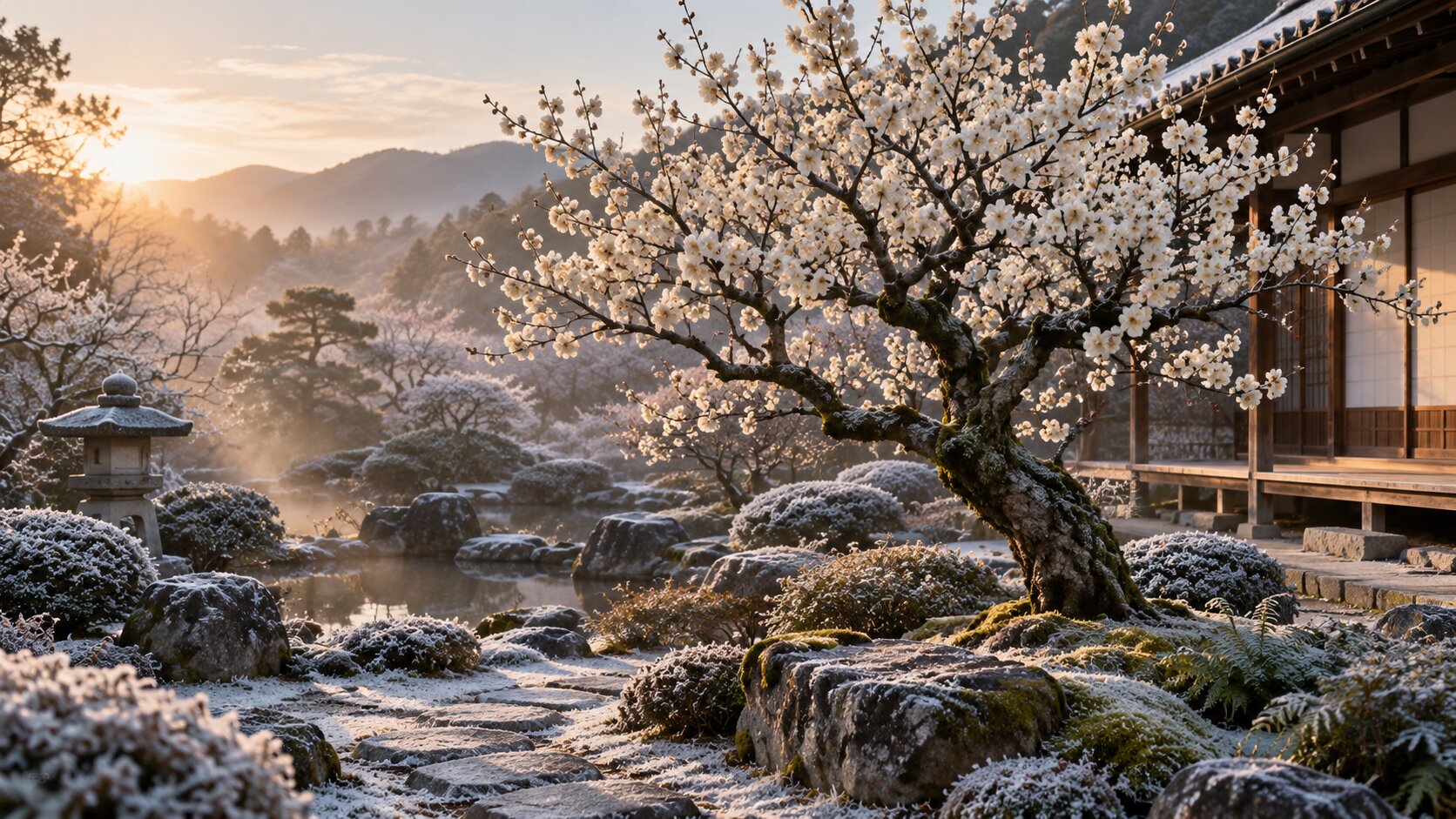
朝霜の庭に立つ白梅は、
寒さの中でも凛としている。
静かな強さは、姿勢に現れる。
A white plum tree stands in the frosted garden,
dignified even in the cold.
Quiet strength reveals itself in bearing.
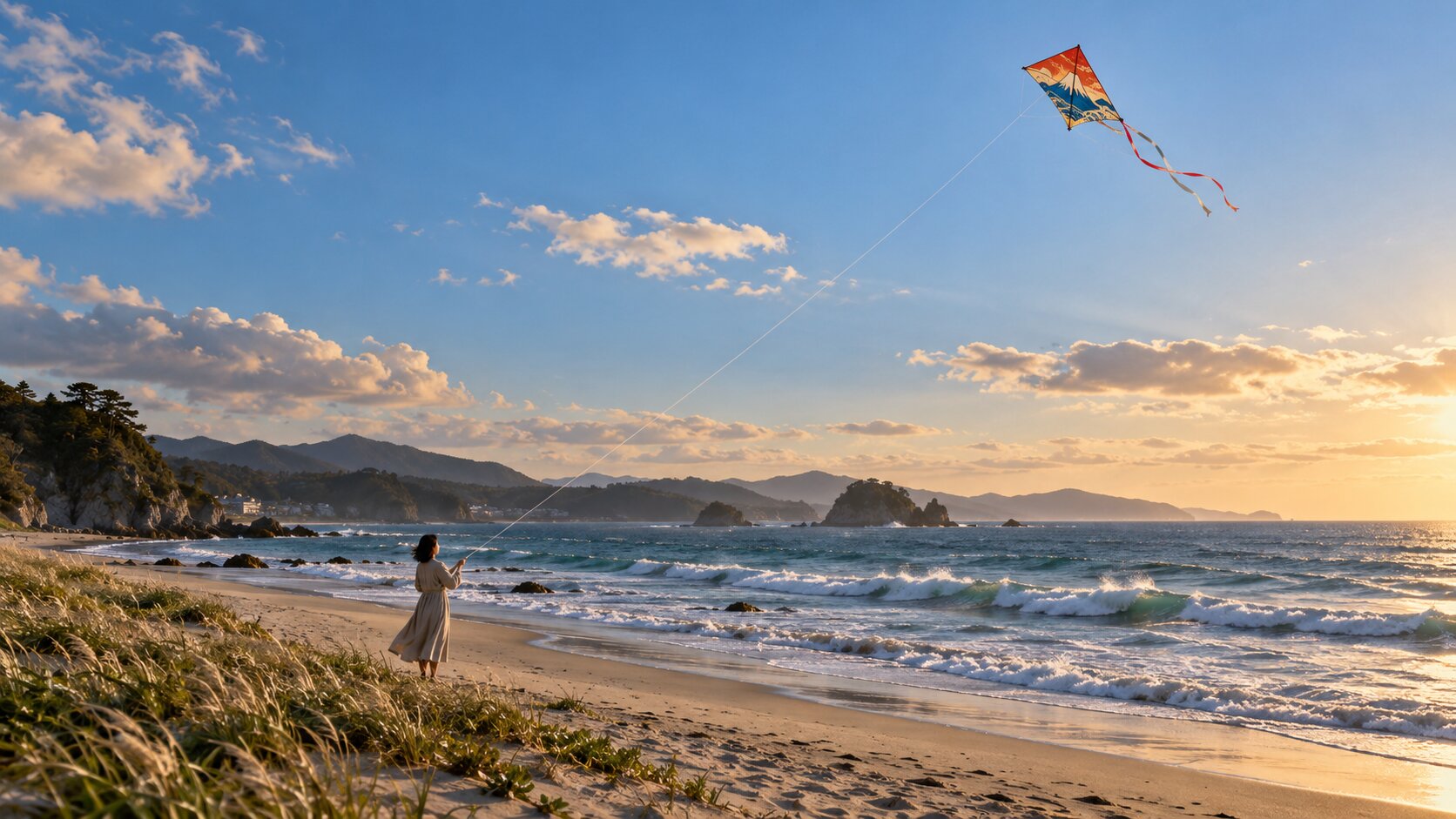
浜辺から放たれた凧が、
海風を受けて高く昇る。
手の届かぬ空にも、糸はつながっている。
A kite released from the shore
climbs high upon the sea wind.
Even in the unreachable sky, its string remains connected.
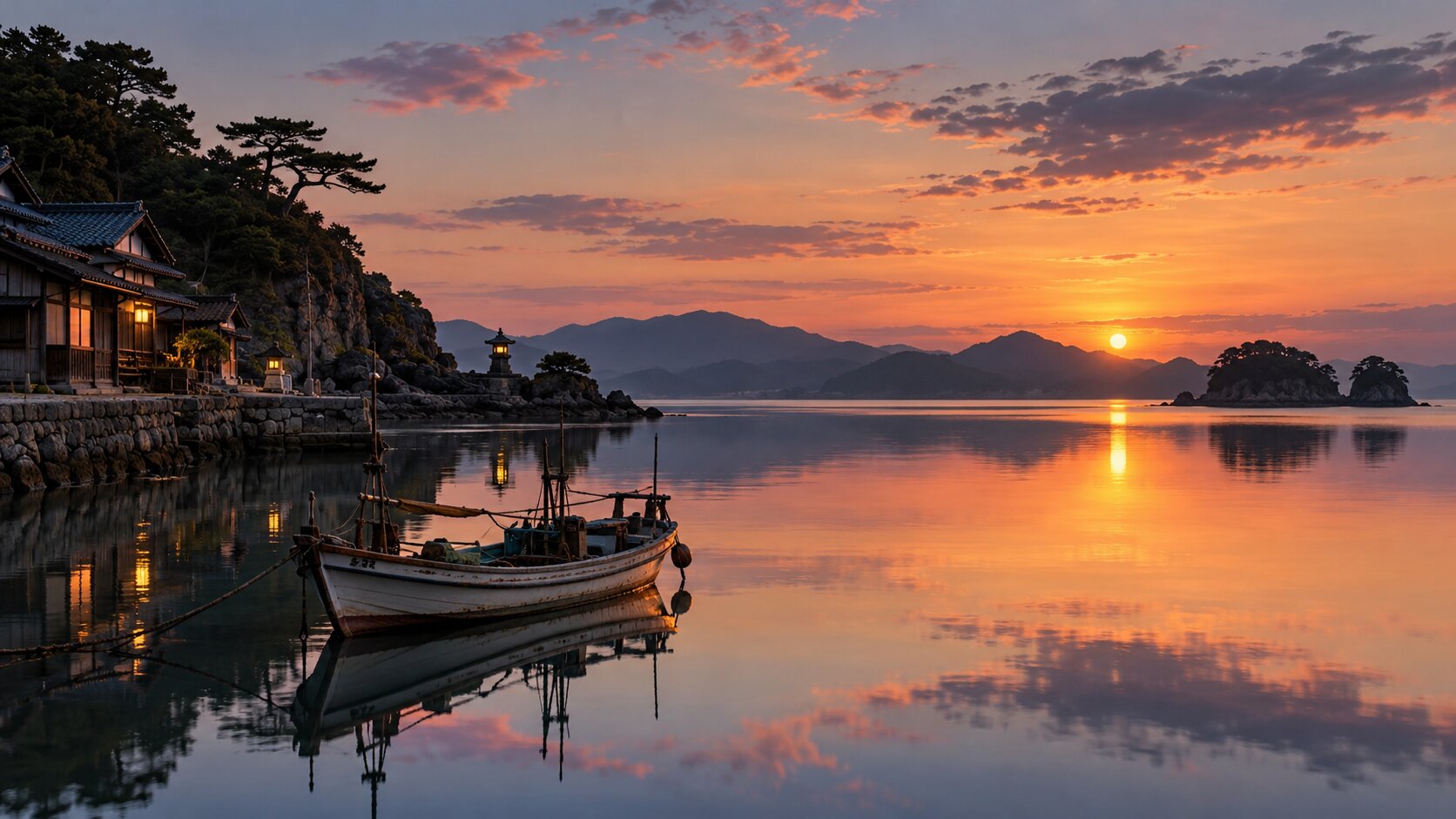
夕暮れの海が凪ぎ、
漁舟の影が水に揺れずに映る。
風が休むと、世界も息を潜める。
At dusk the sea grows calm,
and the fishing boat’s reflection rests unbroken.
When the wind pauses, the world holds its breath.
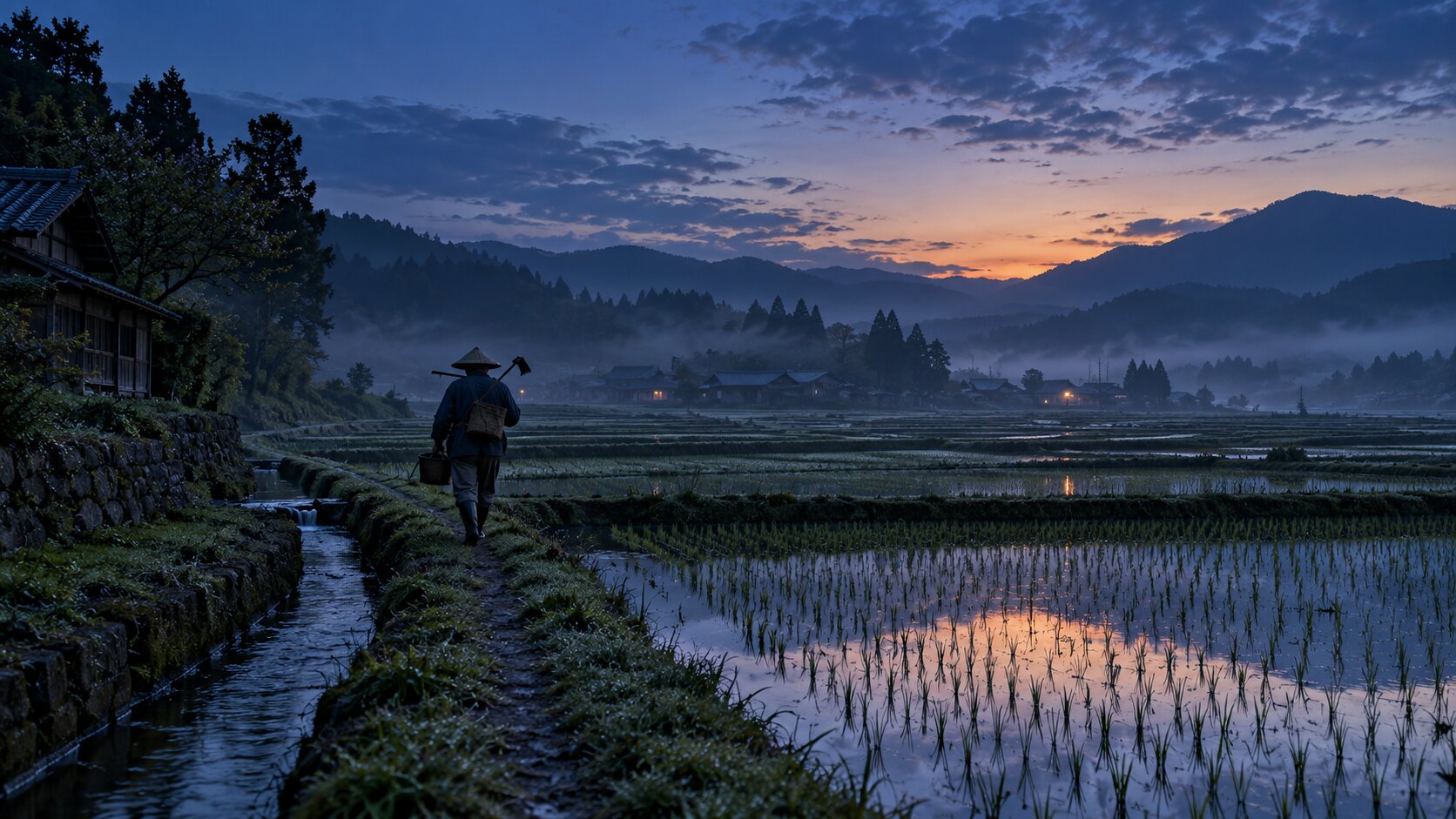
夙に起きた農夫が、
まだ暗い畦道を田へ向かう。
一日は、誰にも見えない働きから始まる。
A farmer who rose before dawn
walks the dark path toward the fields.
The day begins with labor no one sees.
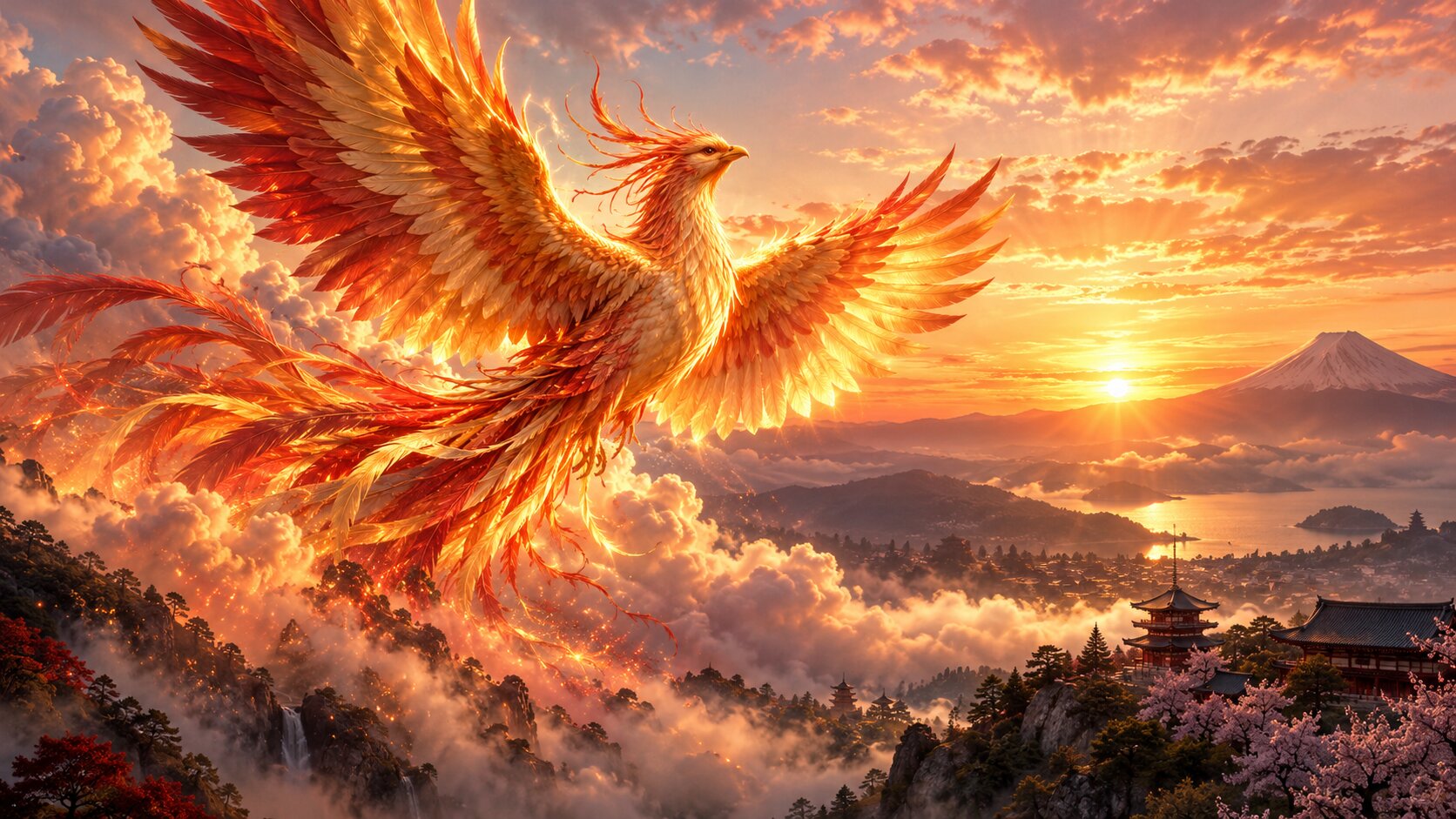
雲間から鳳が現れ、
朝焼けの空へ翼を広げる。
新しい時代は、灰の上から昇る。
A phoenix emerges from between the clouds
and spreads its wings into the sunrise.
A new age rises from the ashes.
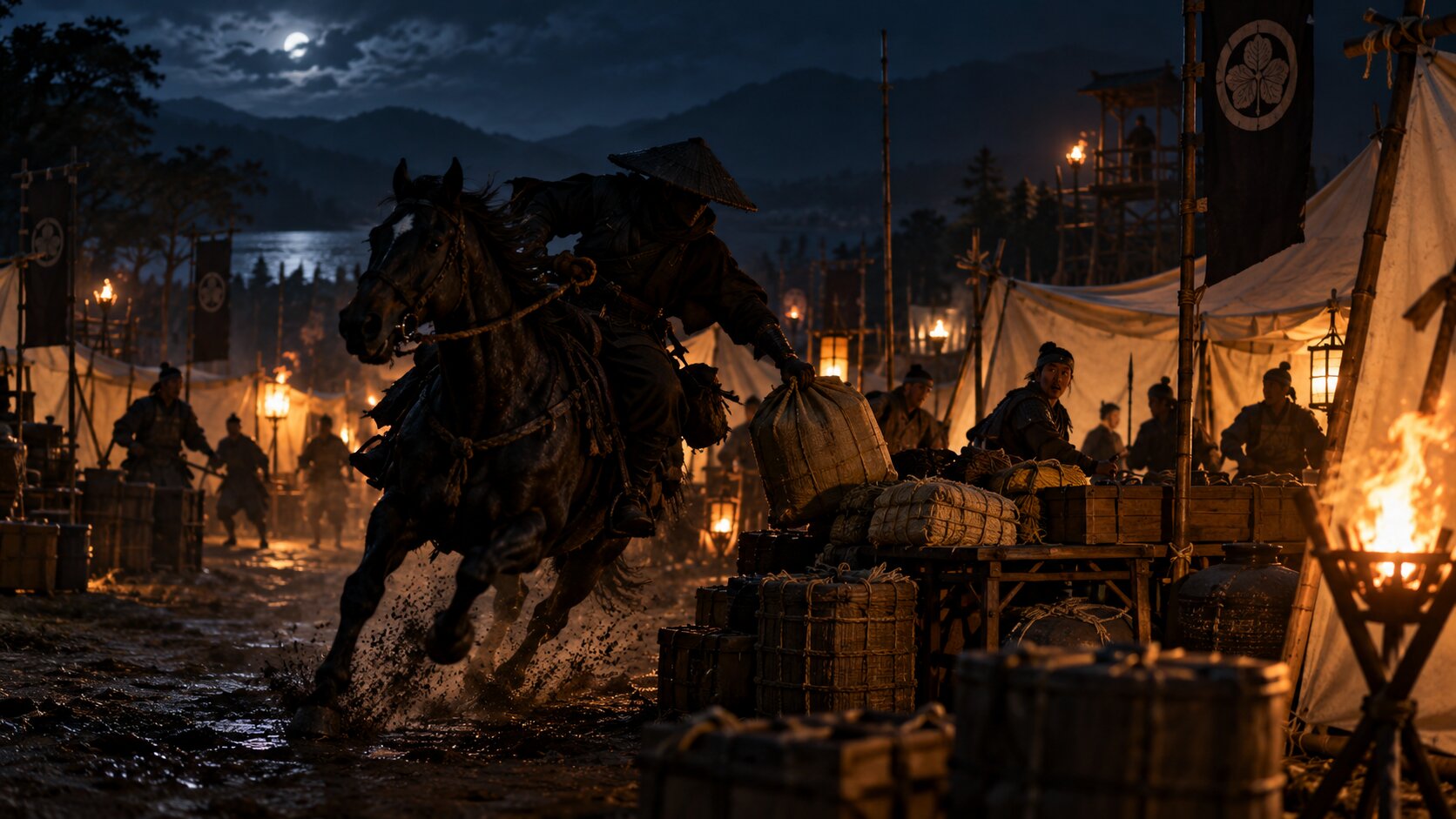
夜の野営地を駆け抜け、
剽として馬上の影が荷を奪う。
速さは、正しさを保証しない。
A mounted shadow races through the night camp
and swiftly seizes the provisions.
Speed does not guarantee righteousness.
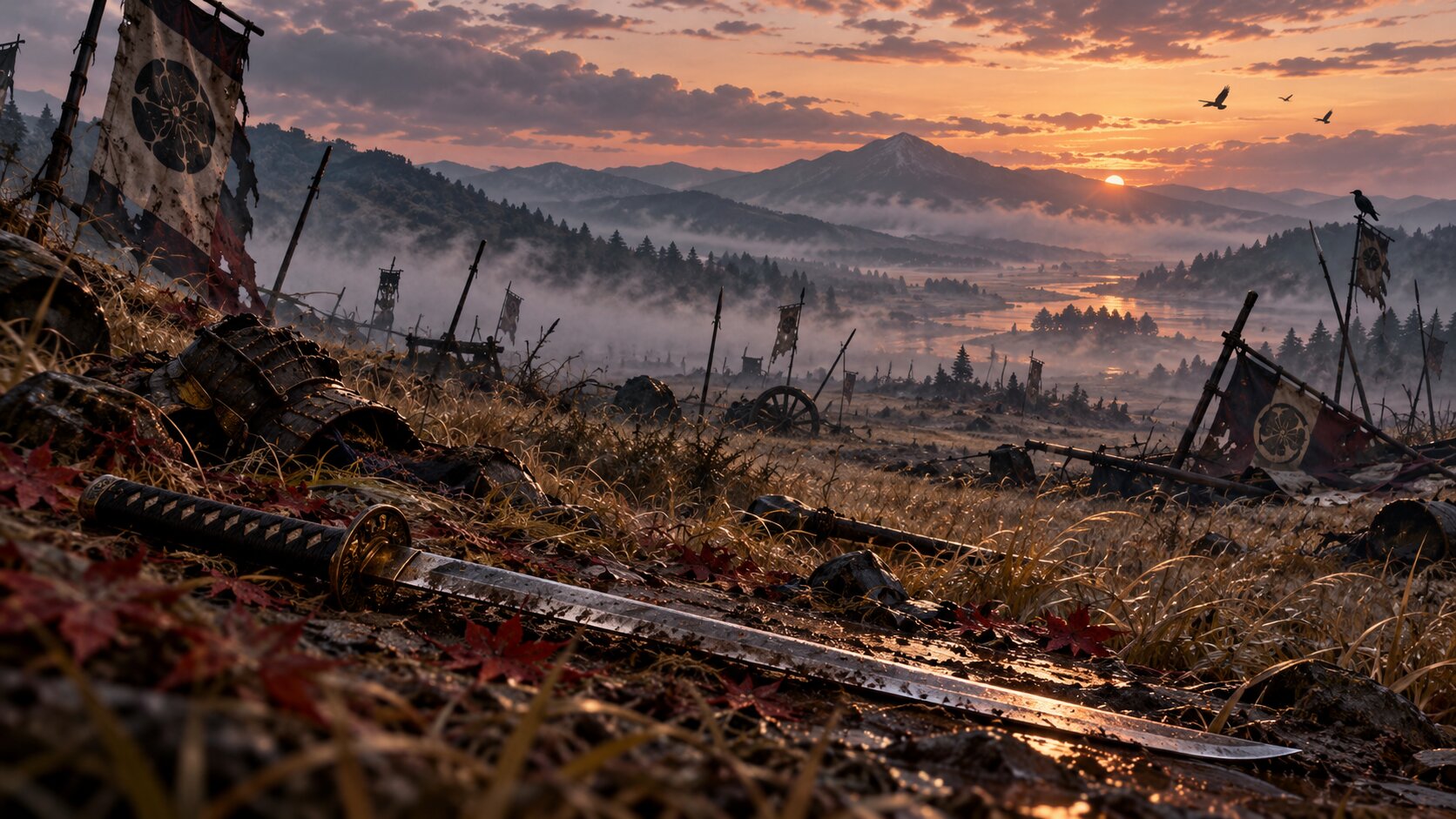
戦の後、刃は地に置かれ、
劉された者の名を風だけが呼ぶ。
勝敗の陰には、戻らぬ命がある。
After the battle, the blade lies upon the earth,
and only the wind calls the names of the slain.
Behind every victory and defeat are lives that do not return.
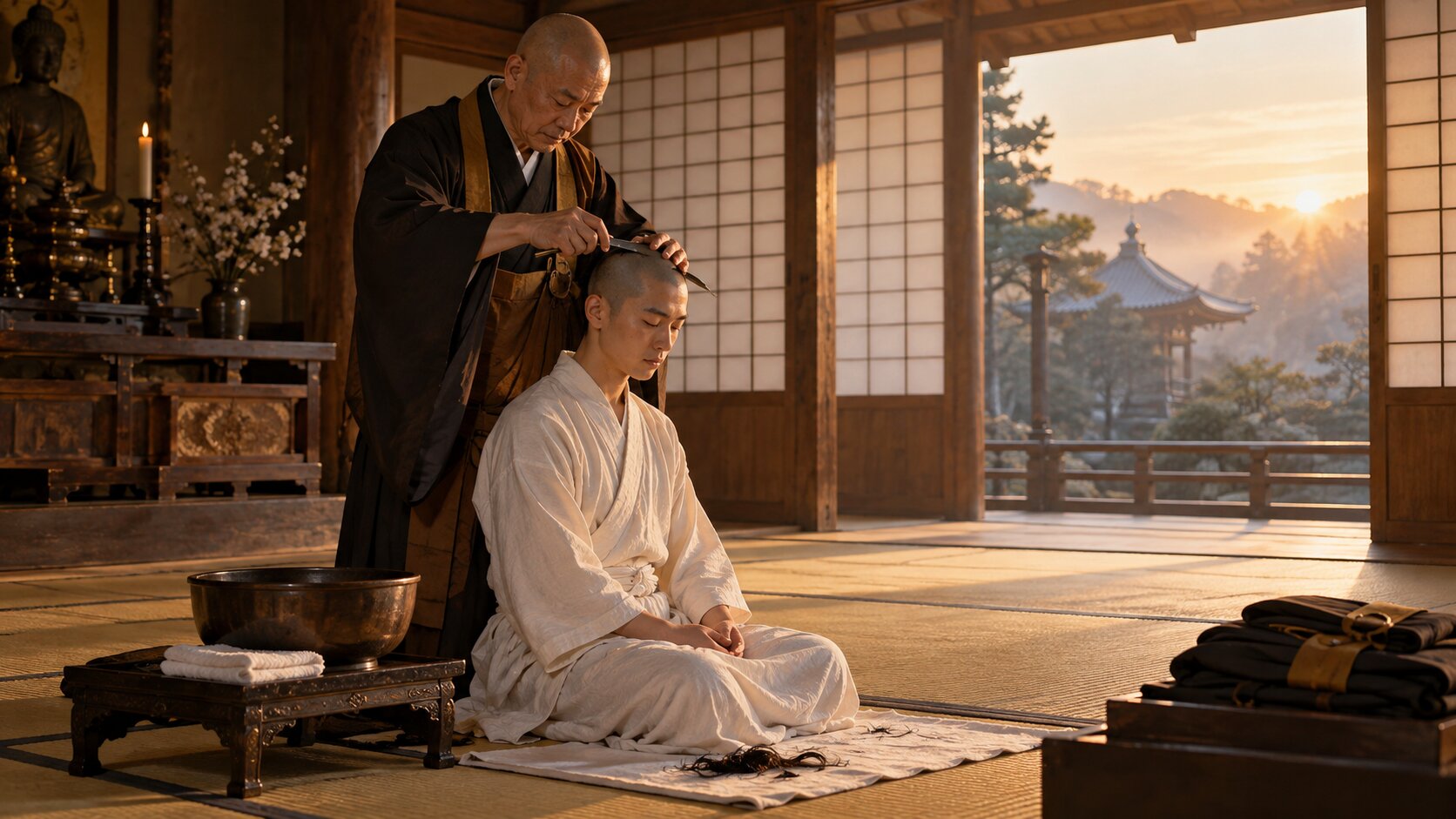
僧となる朝、
若者は静かに髪を剃られる。
捨てるものが、歩む道を明らかにする。
On the morning he becomes a monk,
the young man’s hair is quietly shaved away.
What is relinquished makes the path ahead clear.
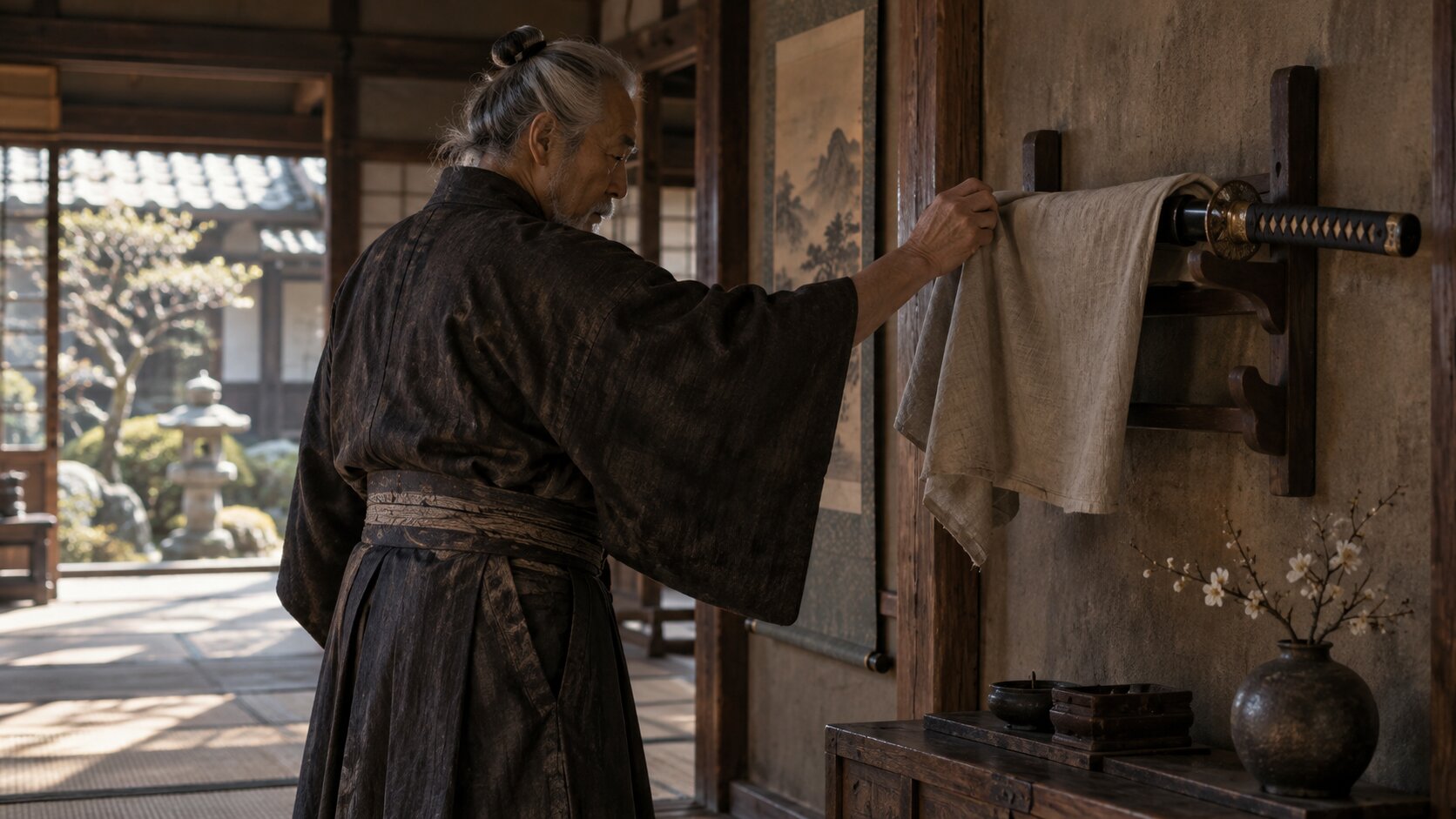
争いを厭う老人は、
壁に掛けた刀へ布を被せる。
使わない強さも、また強さである。
An old man who detests conflict
covers the sword hanging on the wall.
The strength not to use power is also strength.
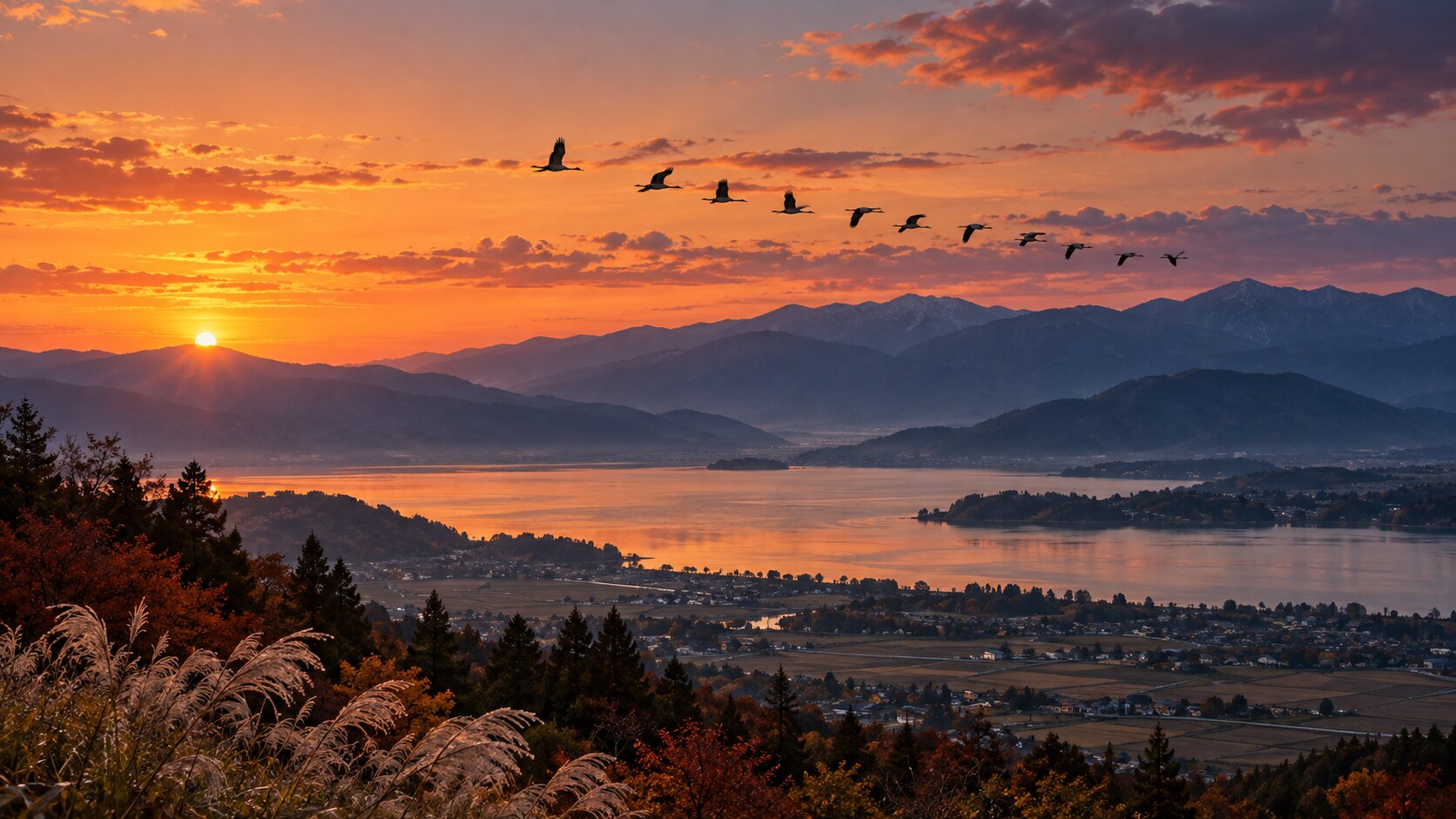
夕空を雁の群れが渡り、
遠い山の向こうへ消えてゆく。
旅する命は、季節の道を知っている。
A flock of wild geese crosses the evening sky
and disappears beyond the distant mountains.
Migrating life knows the road of the seasons.
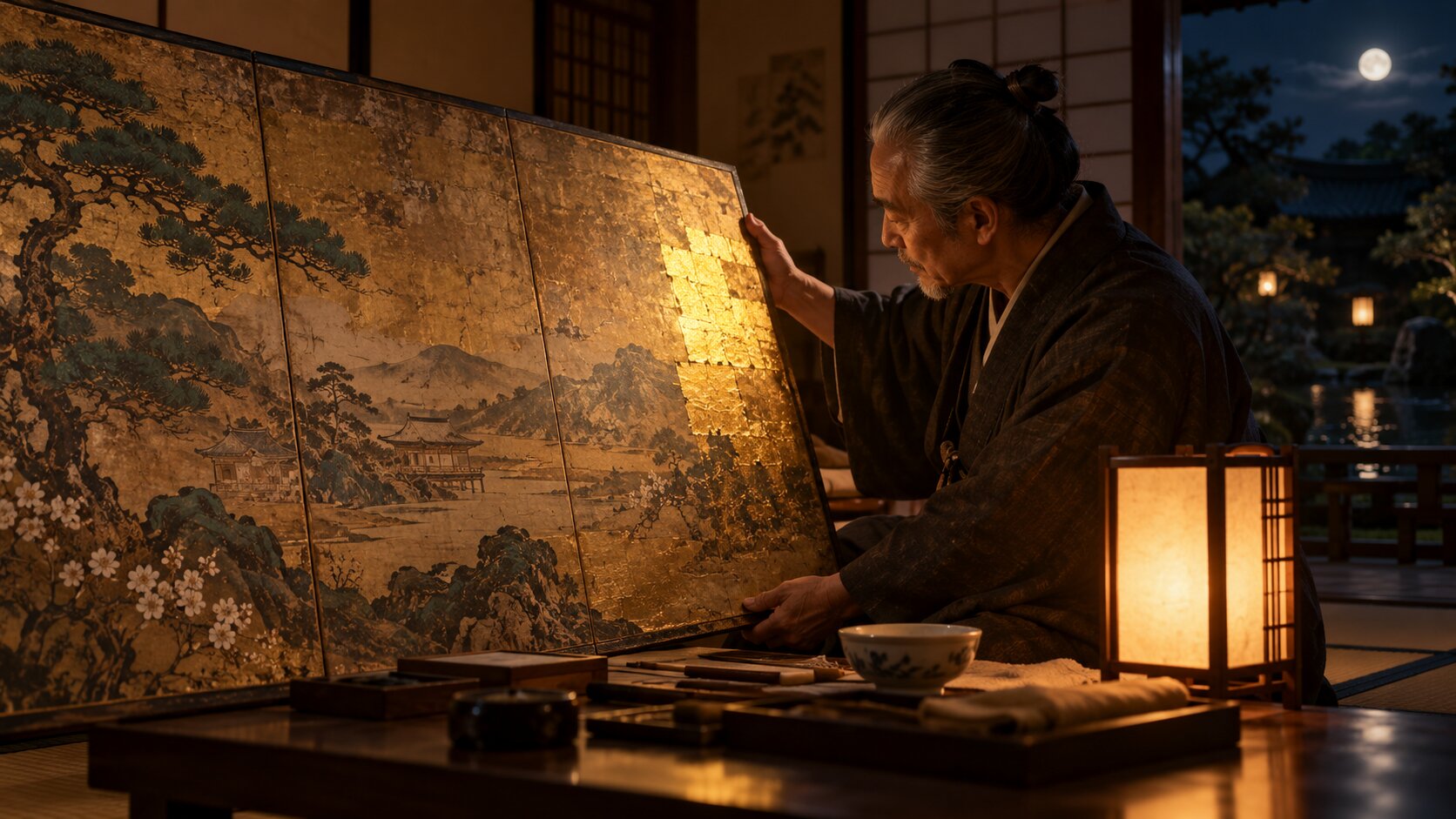
古い絵を灯にかざすと、
贋の金箔だけが不自然に光る。
真似た美しさには、時の重みがない。
Held beneath the lamplight,
only the false gold leaf shines unnaturally.
Imitated beauty lacks the weight of time.
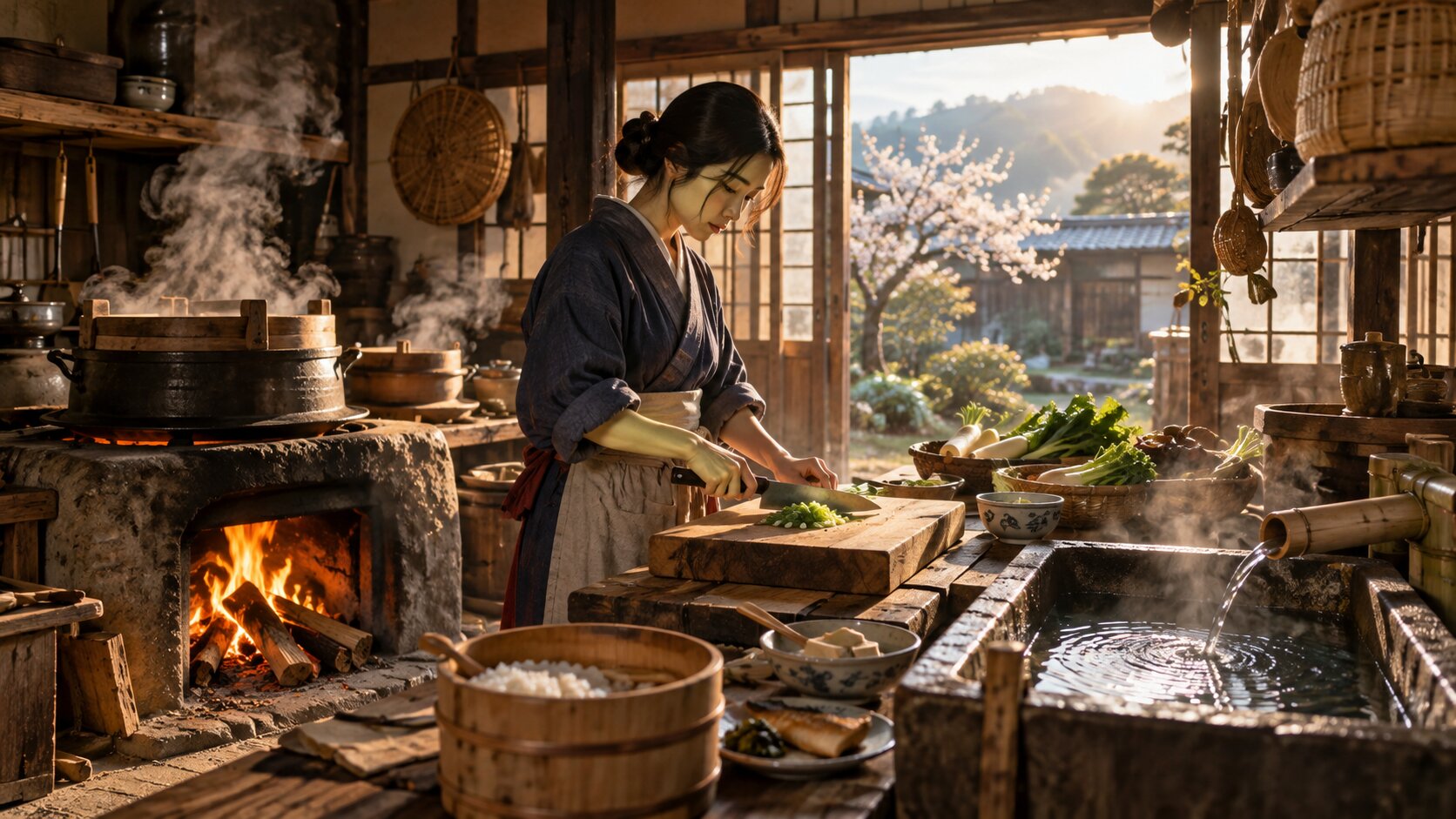
朝の厨に火が入り、
包丁と水の音が家を満たす。
暮らしは、食事の支度から目を覚ます。
The morning kitchen comes alive with fire,
and the sounds of knives and water fill the house.
Daily life awakens through the preparation of food.
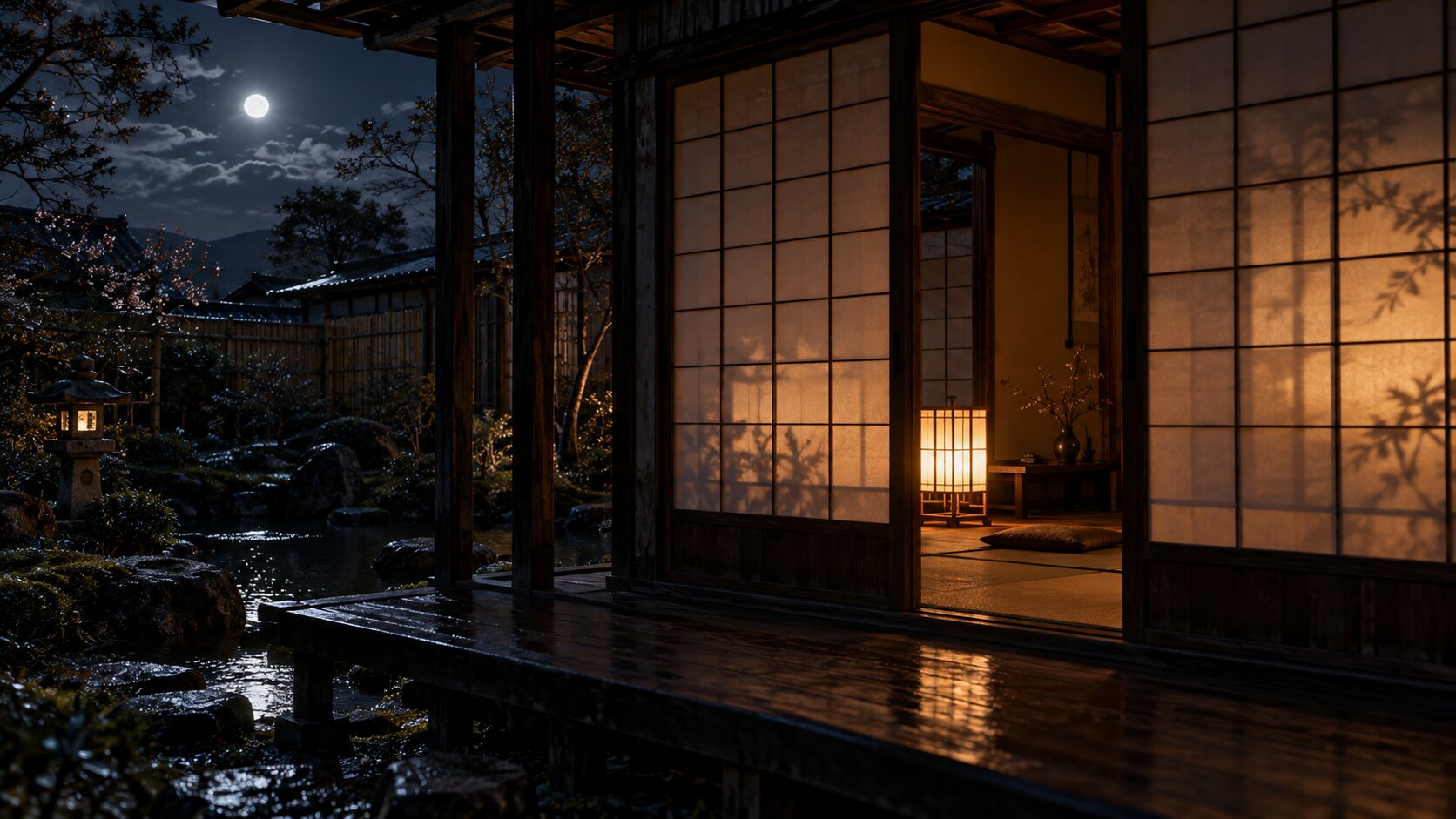
障子の向こうに、
仄かな灯が夜更けまで残る。
小さな光ほど、孤独に寄り添う。
Beyond the shoji,
a faint lamp remains late into the night.
The smallest lights stay closest to loneliness.
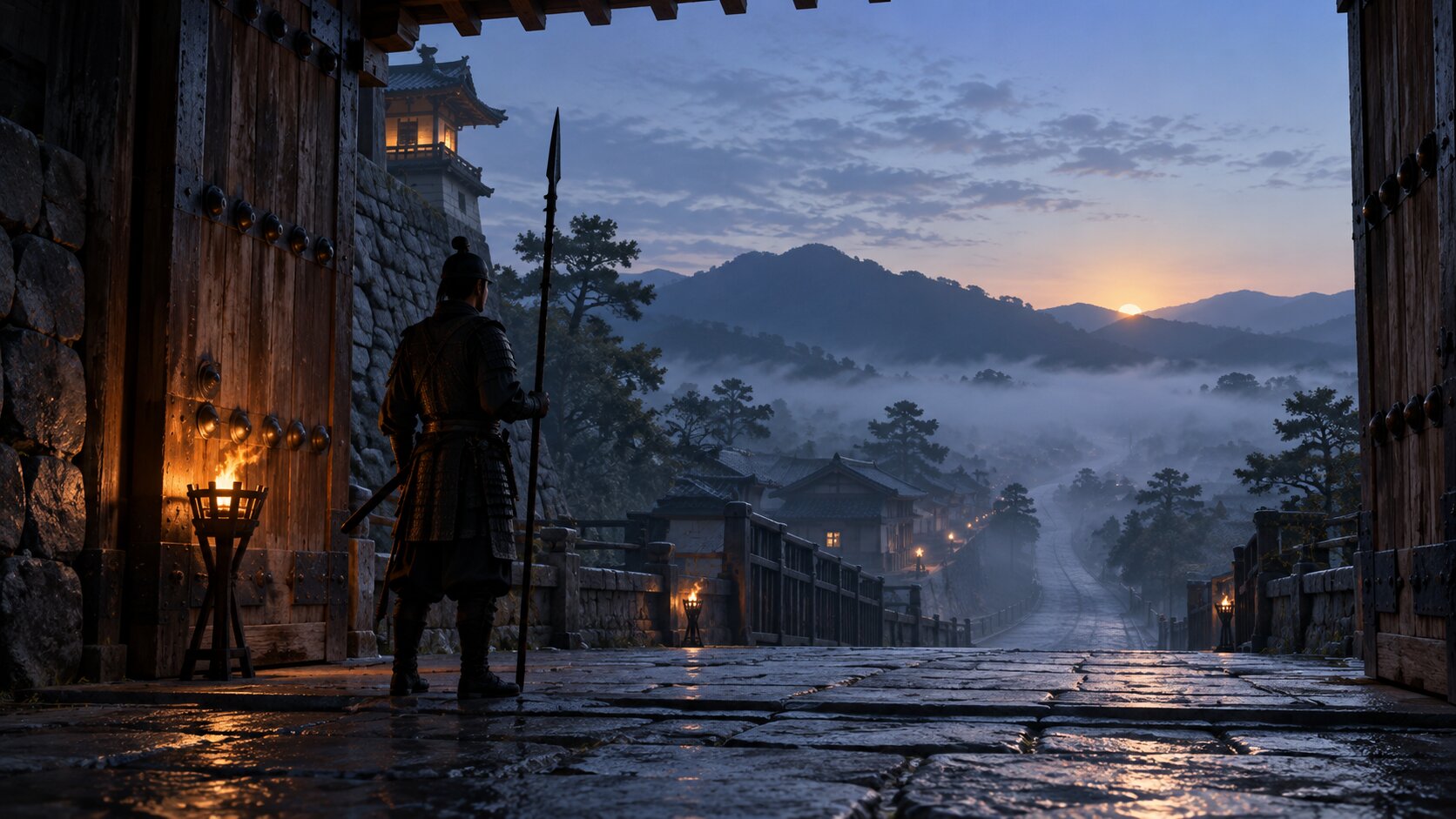
夜明け前の城門で、
哨に立つ兵が霧の道を見つめる。
眠る町を、一人の目が守っている。
At the castle gate before dawn,
a sentry watches the mist-covered road.
One pair of eyes protects the sleeping town.
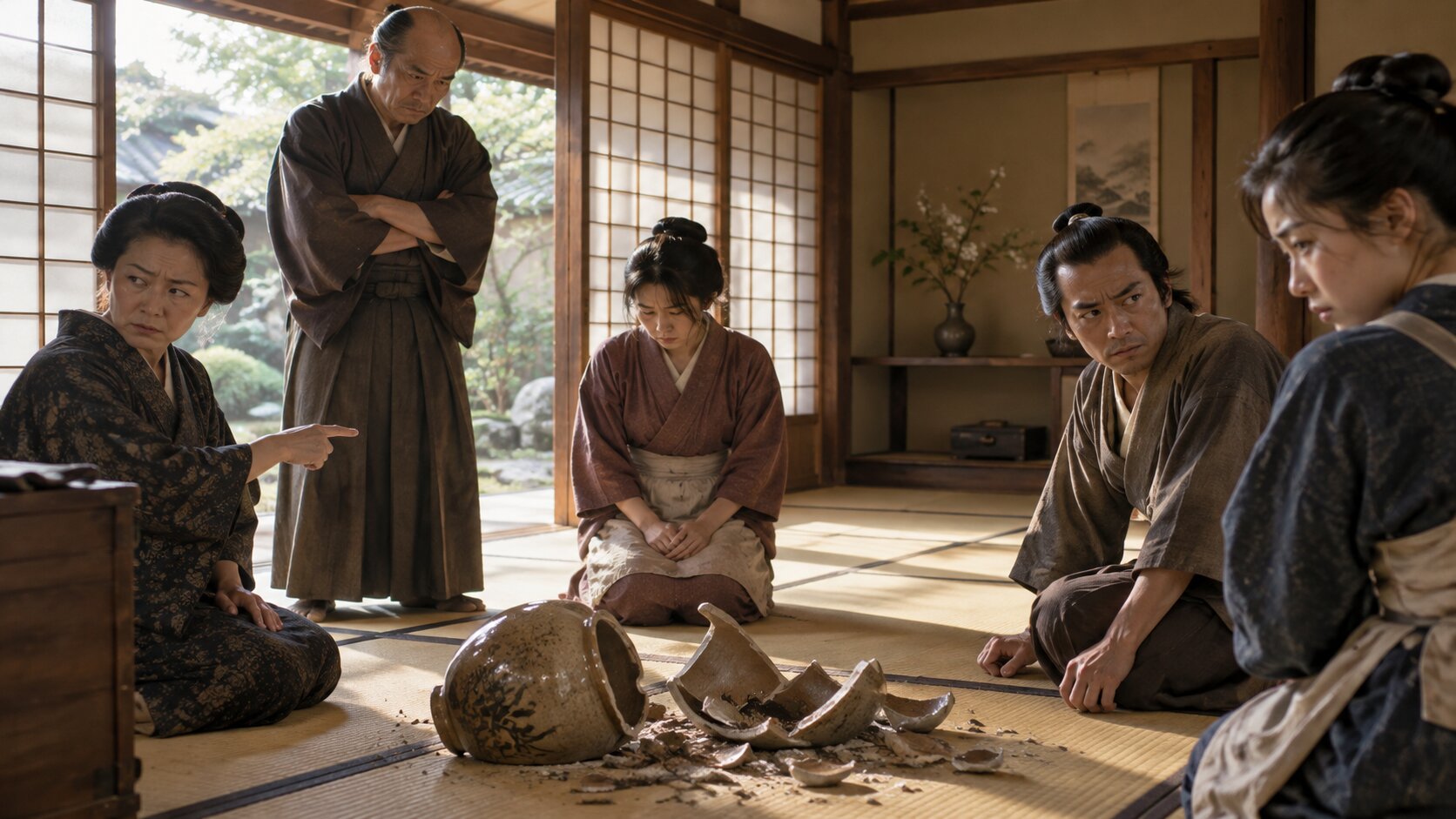
割れた壺を前に、
誰もが黙って咎を探している。
責める心は、真実より早く動く。
Before the broken jar,
everyone silently searches for someone to blame.
The accusing heart moves faster than truth.
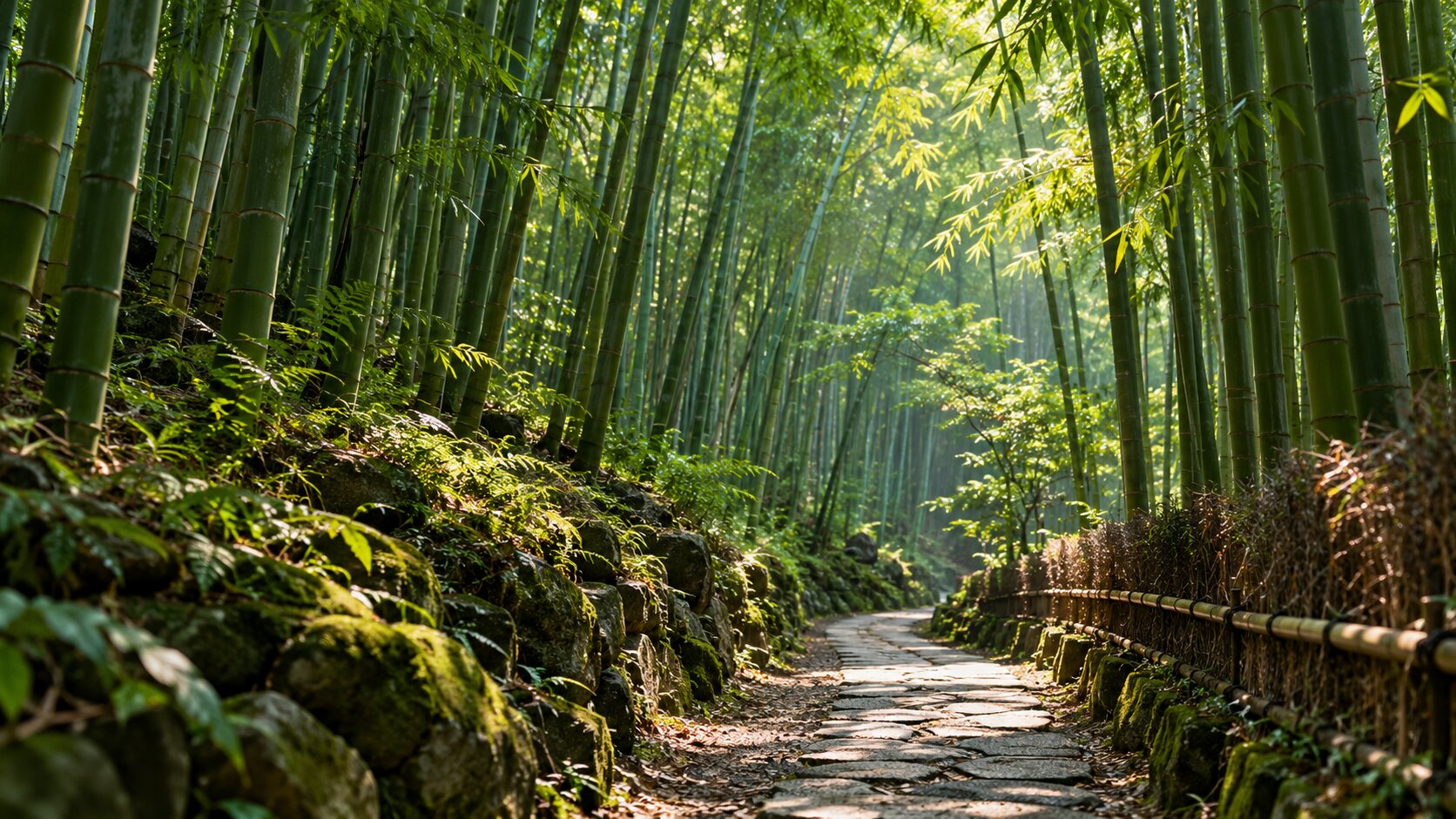
竹林の小径で、
風が葉から葉へ囁いている。
聞こうとする者にだけ、静けさは語る。
Along the bamboo path,
the wind whispers from leaf to leaf.
Silence speaks only to those willing to listen.