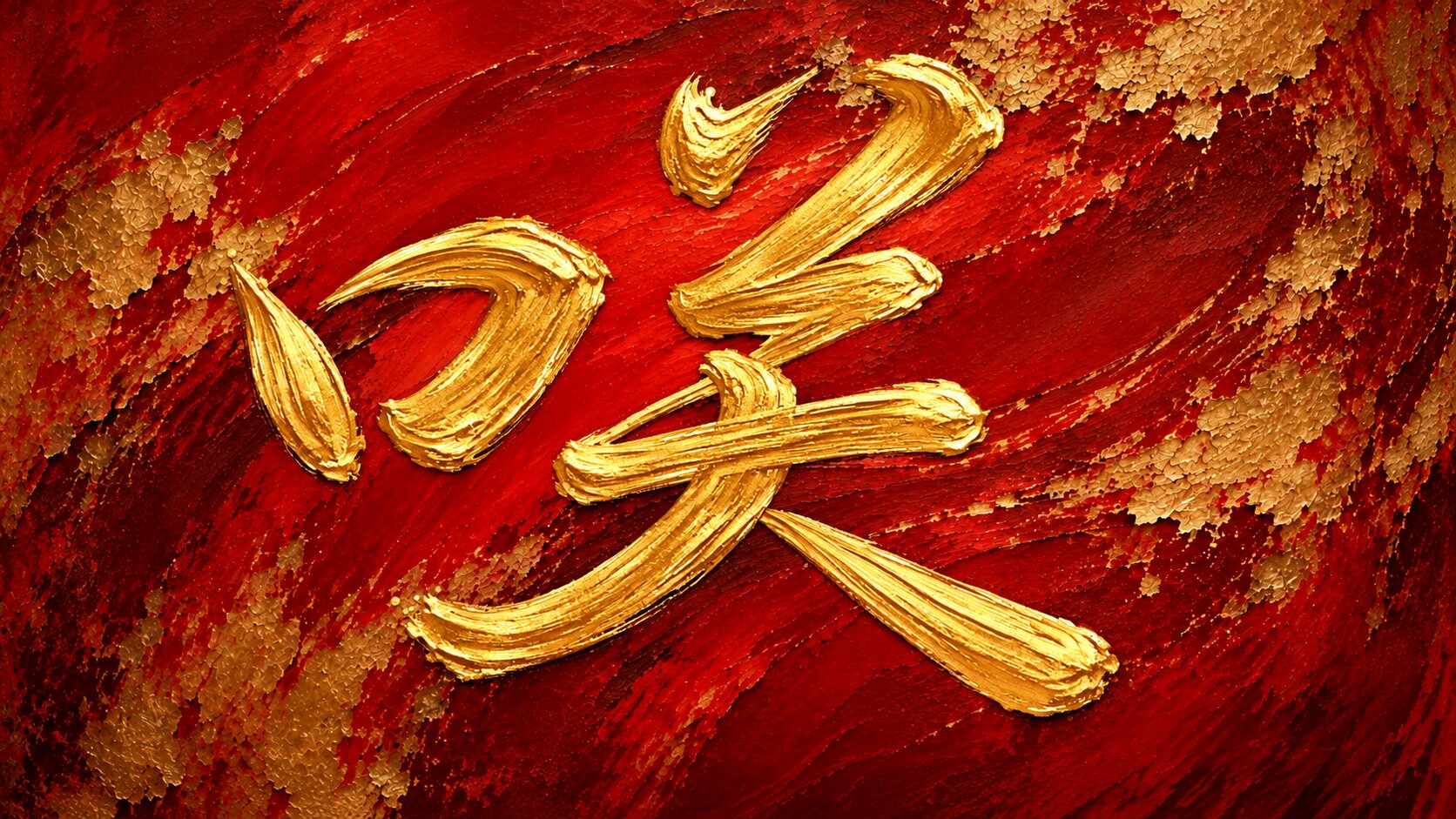
💡 Tip: Click the featured kanji to view stroke order animations
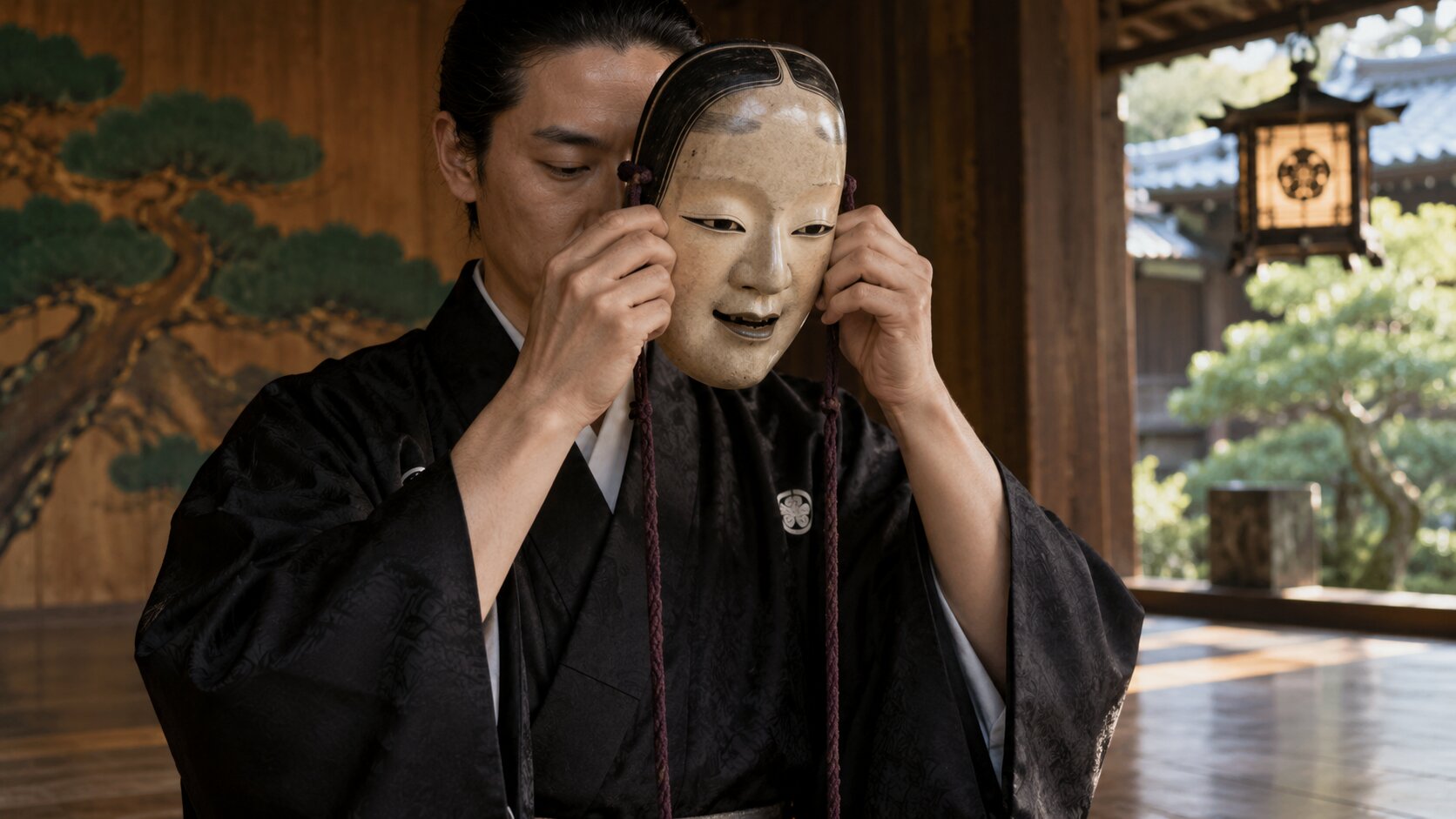
古い能面をつけると、
役者の顔は静かに消えてゆく。
磨かれた技は、己を隠して役を生かす。
When the old Noh mask is placed upon his face,
the actor himself quietly disappears.
Refined skill hides the self and gives life to the role.
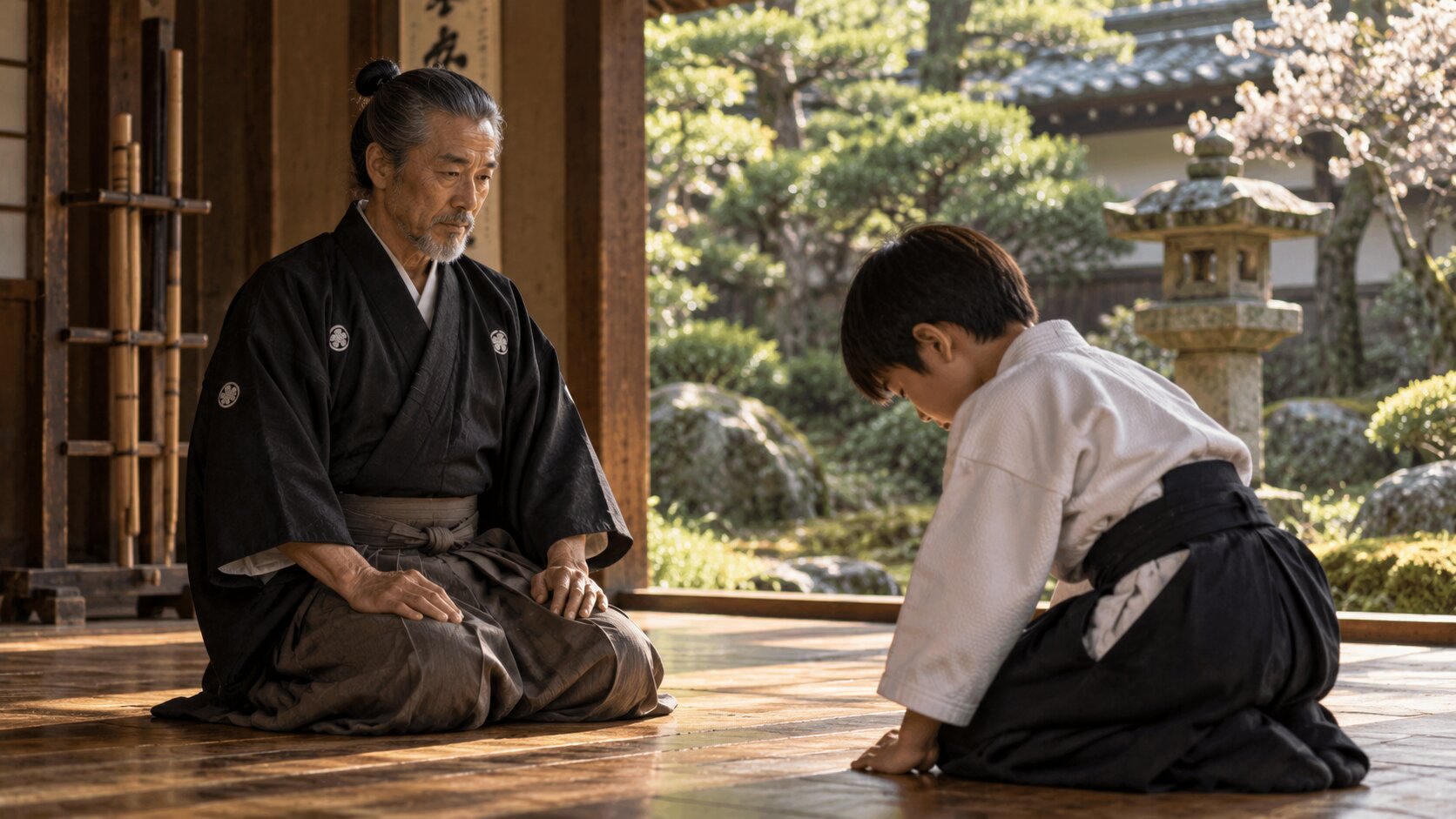
雨上がりの庭には、
濡れた石も苔も違う態を見せる。
同じ場所でも、時が姿を変えてゆく。
After the rain,
the stones and moss reveal a different state.
Even the same place changes with time.
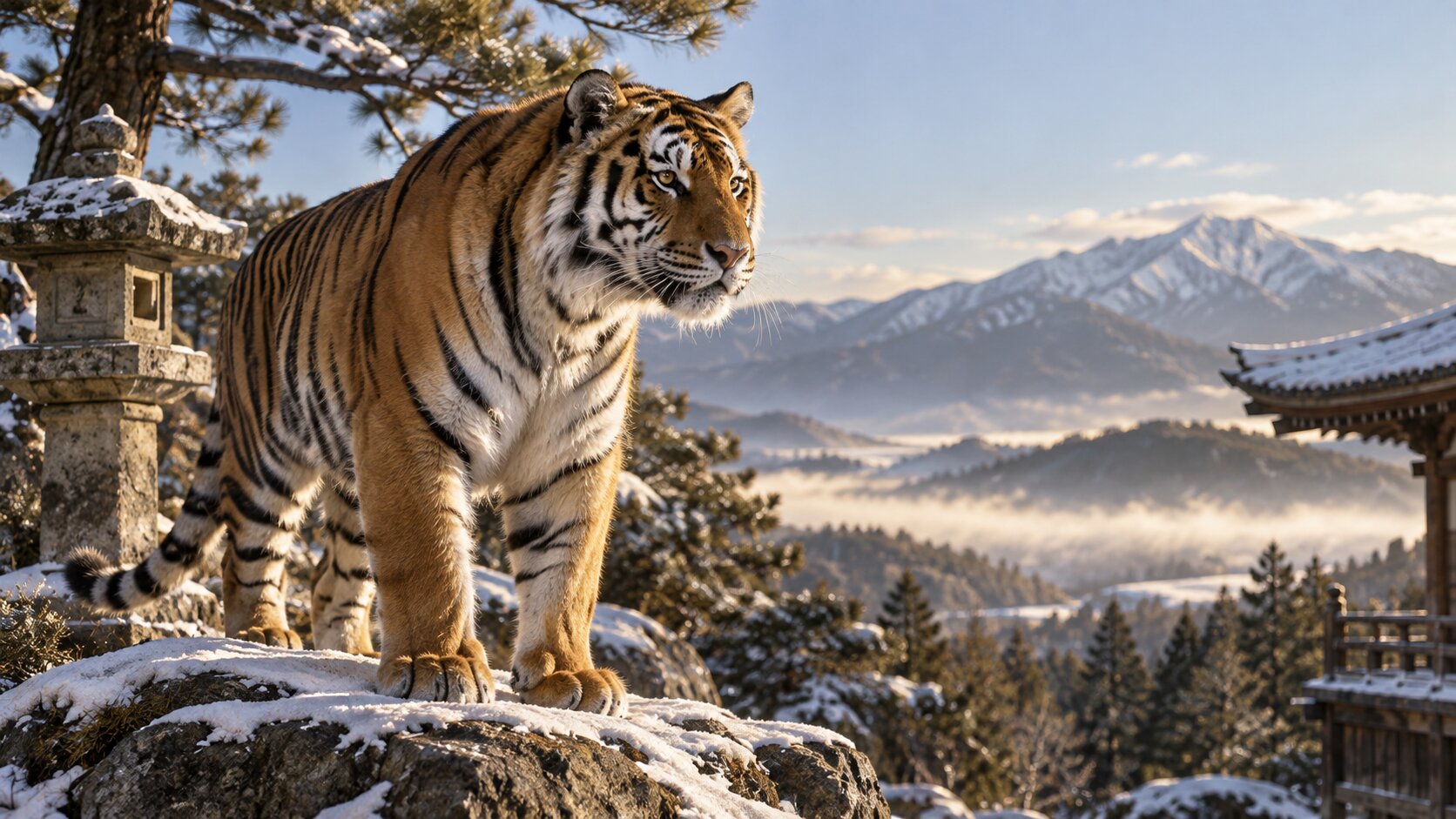
寅の刻、
山寺の灯がまだ闇に浮かんでいる。
夜明け前の静けさには、眠らぬ力がある。
In the hour of the tiger,
the temple lamps still float within the darkness.
The stillness before dawn holds a wakeful strength.
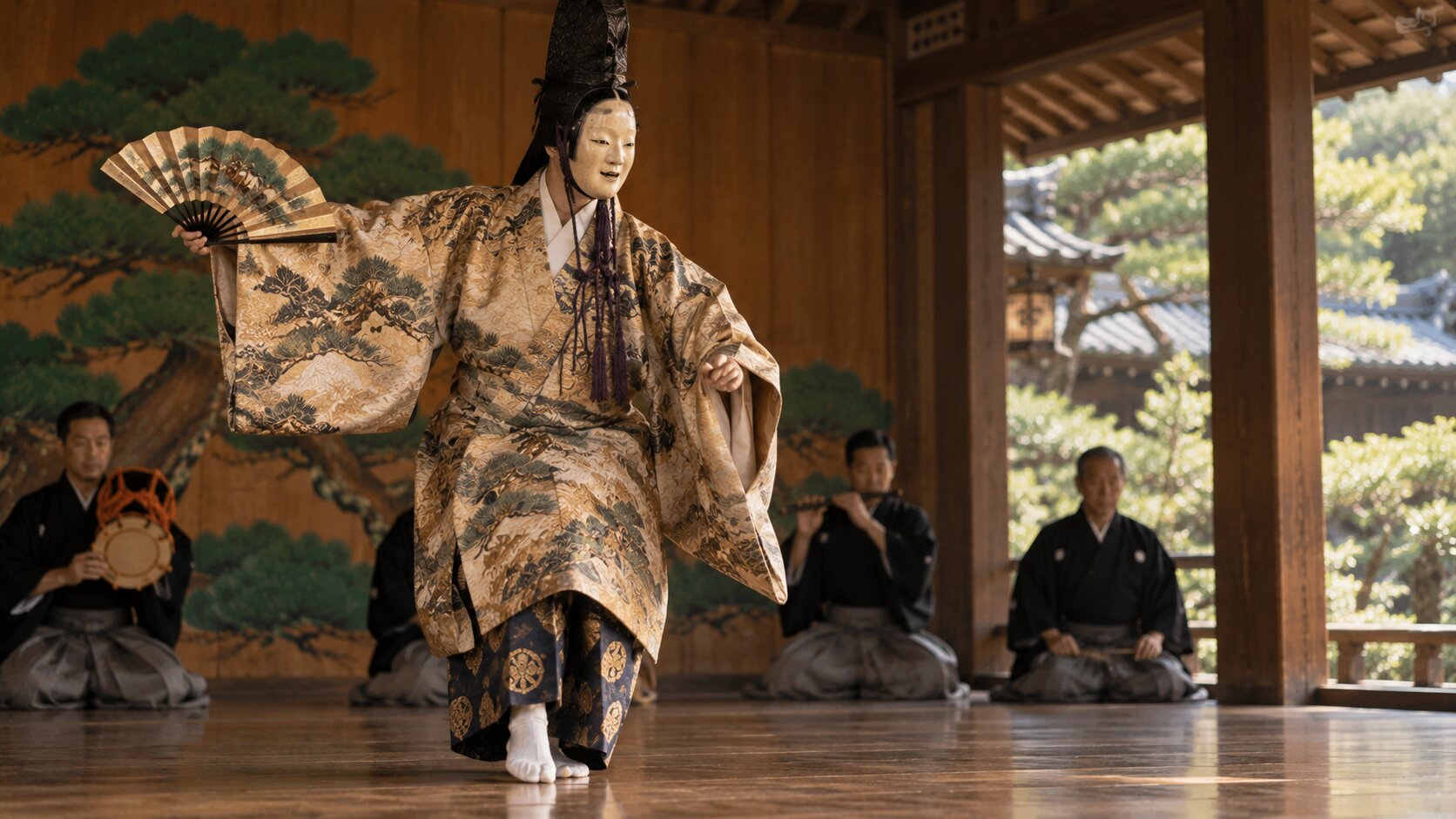
祭りの仮設舞台で、
若者は古い英雄を演じる。
借りた役の中に、自分の勇気を見つける。
On the temporary festival stage,
a young man performs the role of an ancient hero.
Within a borrowed role, he discovers his own courage.
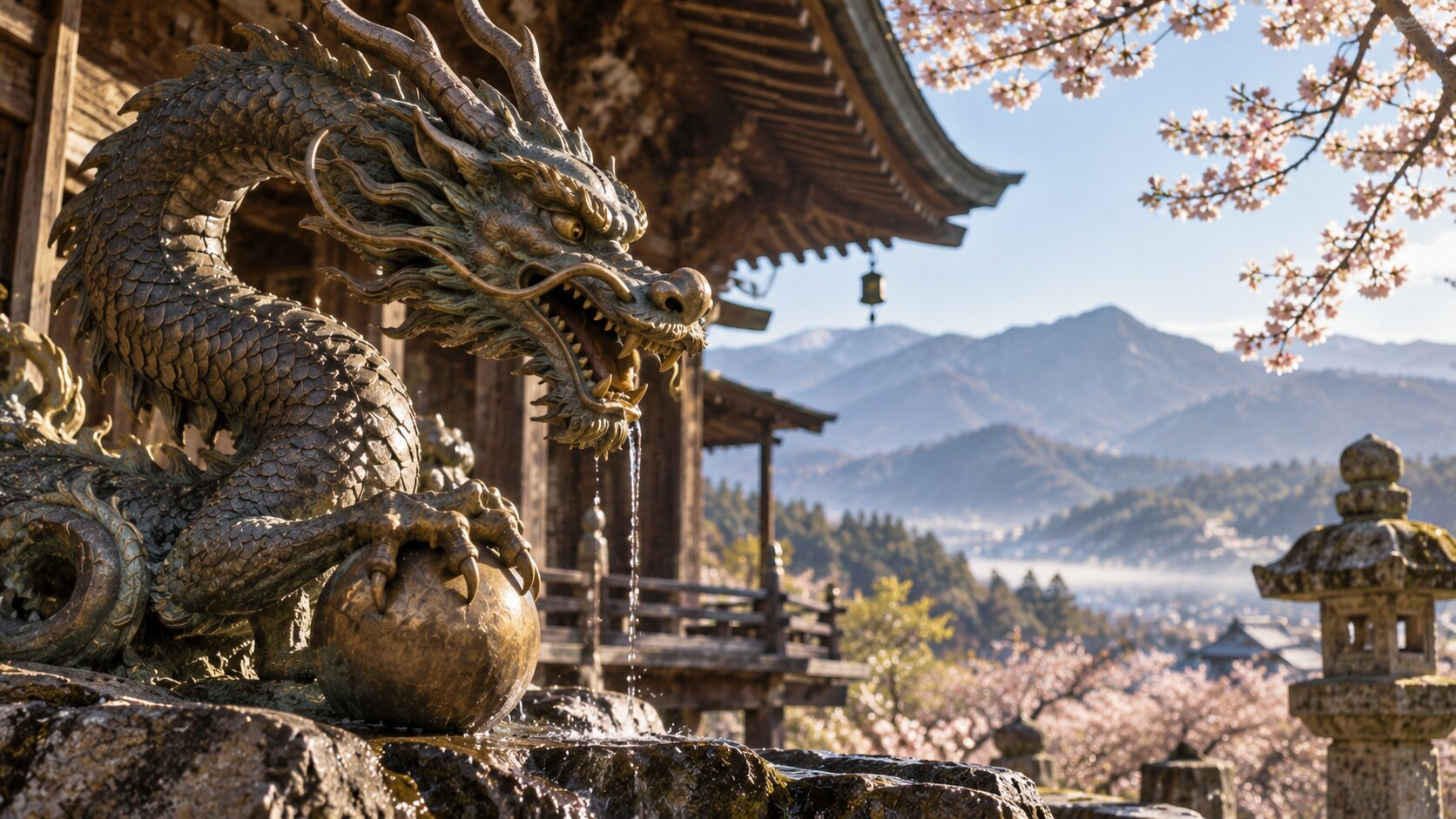
辰の刻、
朝焼けの雲が龍のように空を昇る。
一日の始まりに、大きな気配が目覚める。
In the hour of the dragon,
sunrise clouds climb the sky like a great serpent.
At the beginning of the day, a vast presence awakens.
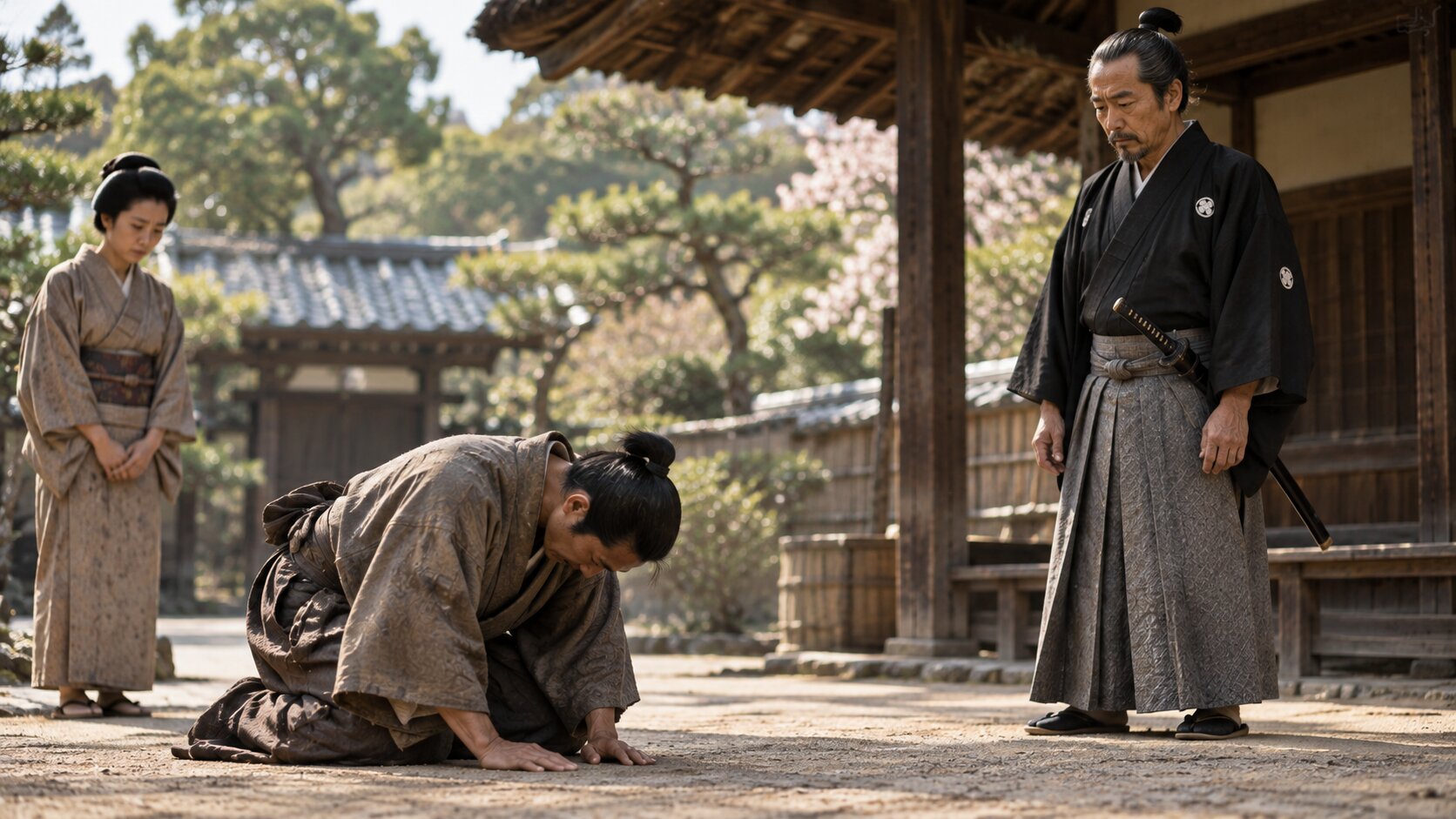
大勢の前で人を辱めれば、
笑い声の後にも傷は残る。
奪われた尊厳は、目には見えない。
When someone is humiliated before a crowd,
the wound remains after the laughter fades.
Dignity taken away cannot be seen.
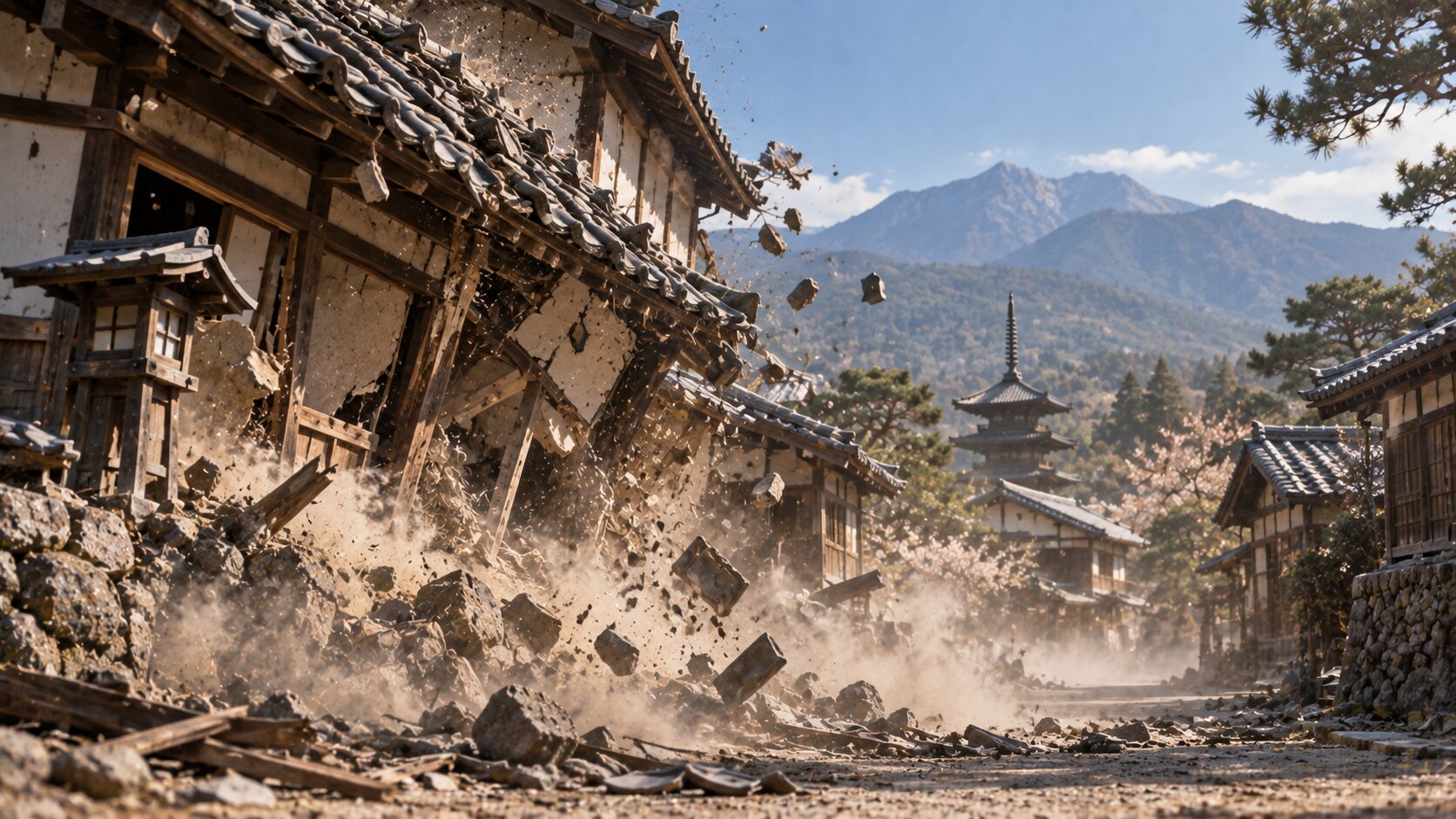
大地が低く唸り、
棚の器が小さく震え始める。
動かぬと思ったものにも、力は潜んでいる。
The earth gives a low groan,
and the dishes upon the shelf begin to tremble.
Power lies even within what seemed immovable.
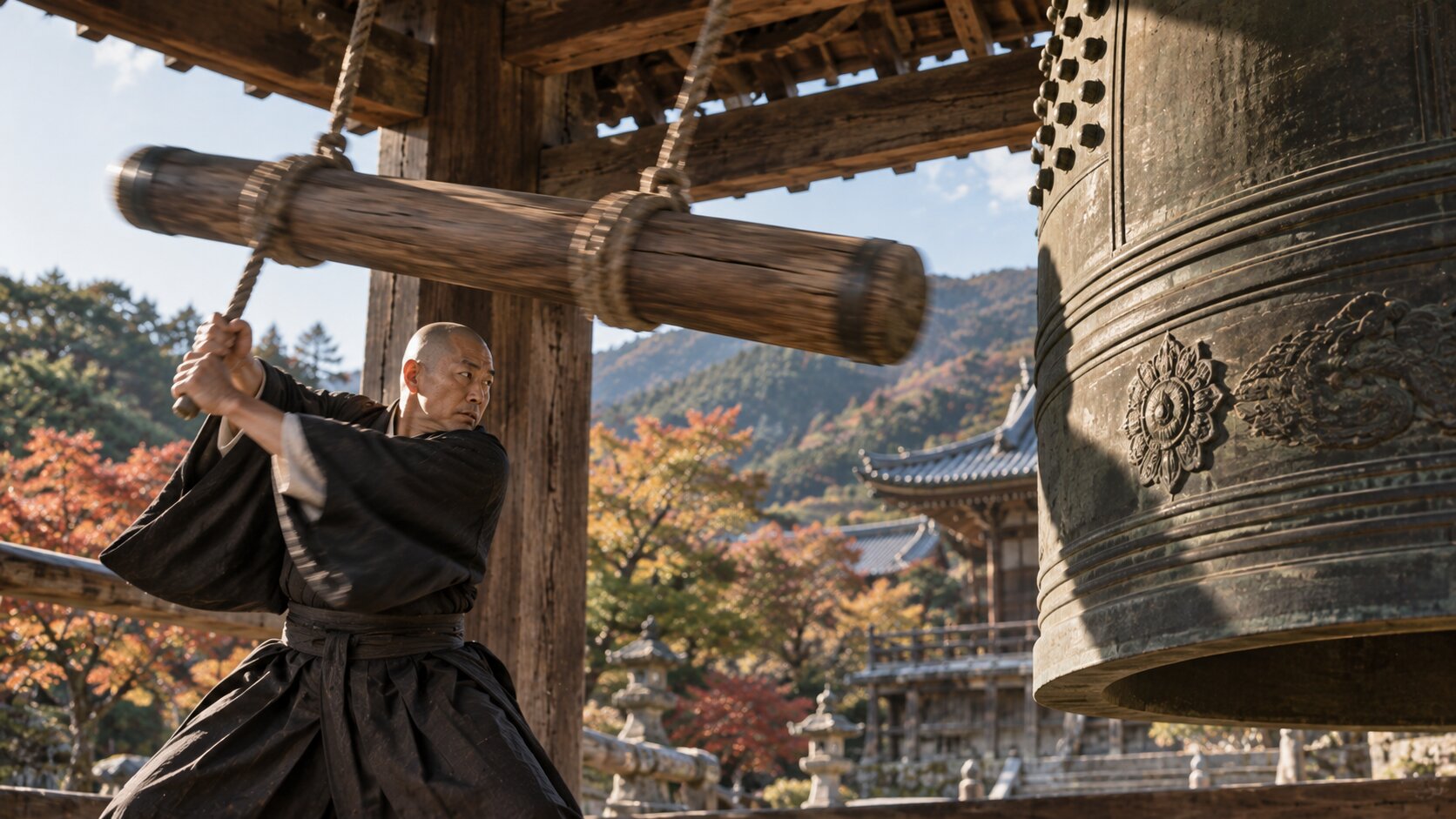
港を離れる舟へ、
岸の人々が白い布を振っている。
遠ざかるほど、思いは大きく見える。
Toward the boat leaving the harbor,
people on shore wave white cloths.
As distance grows, feeling becomes more visible.
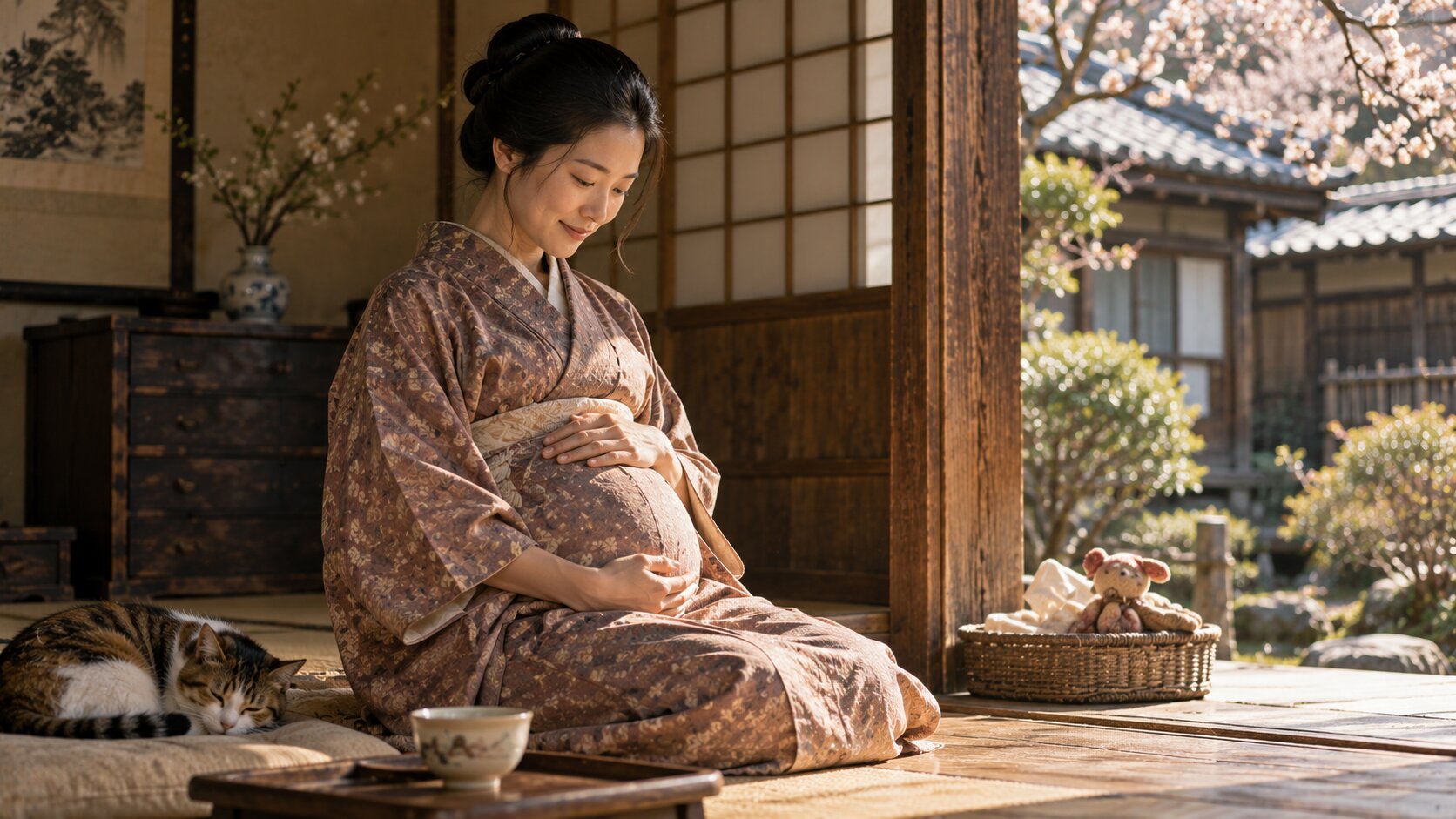
春の庭を歩く女は、
新しい命を静かに娠んでいる。
まだ見えぬ未来が、身体の中で育つ。
A woman walks through the spring garden,
quietly carrying a new life.
An unseen future grows within her body.
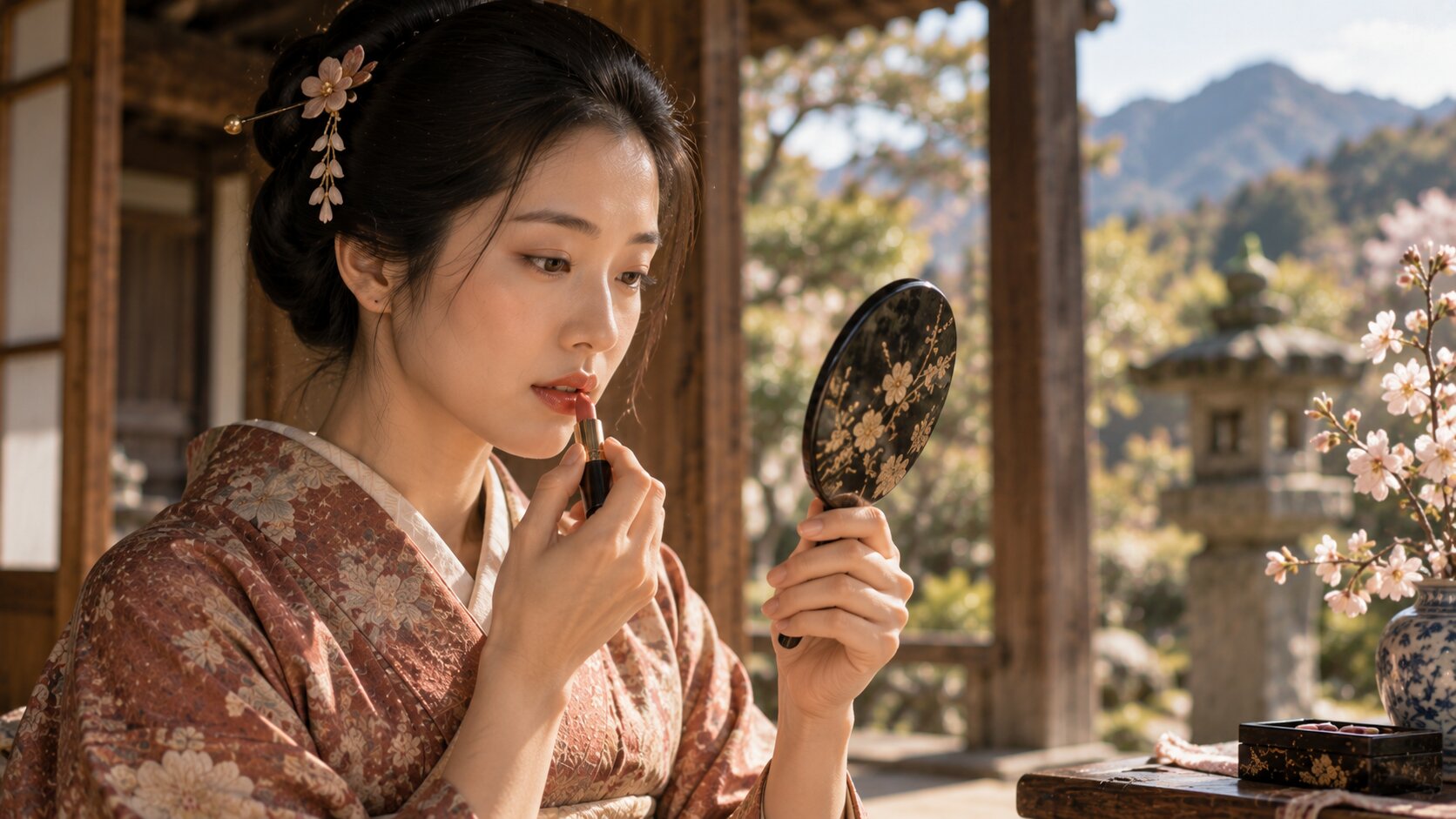
寒い朝、子どもの唇から、
白い息が空へほどけてゆく。
言葉になる前の命が、そこに見える。
On a cold morning,
white breath unravels from a child’s lips.
Life becomes visible before it turns into words.
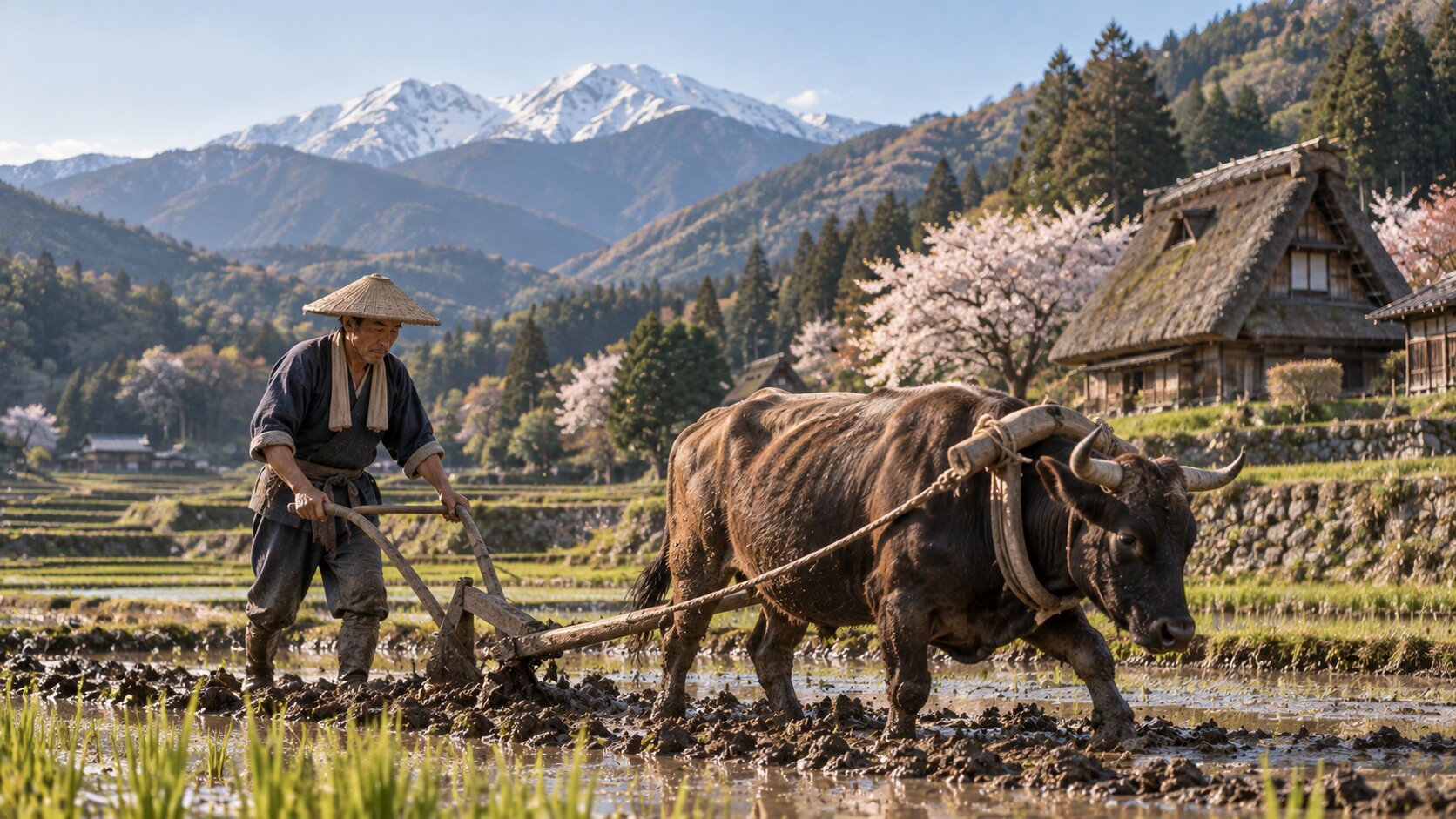
農に生きる家族は、
夜明けとともに田へ向かう。
大地に合わせて、一年の時を歩む。
A farming family
heads toward the fields at dawn.
They move through the year according to the earth.
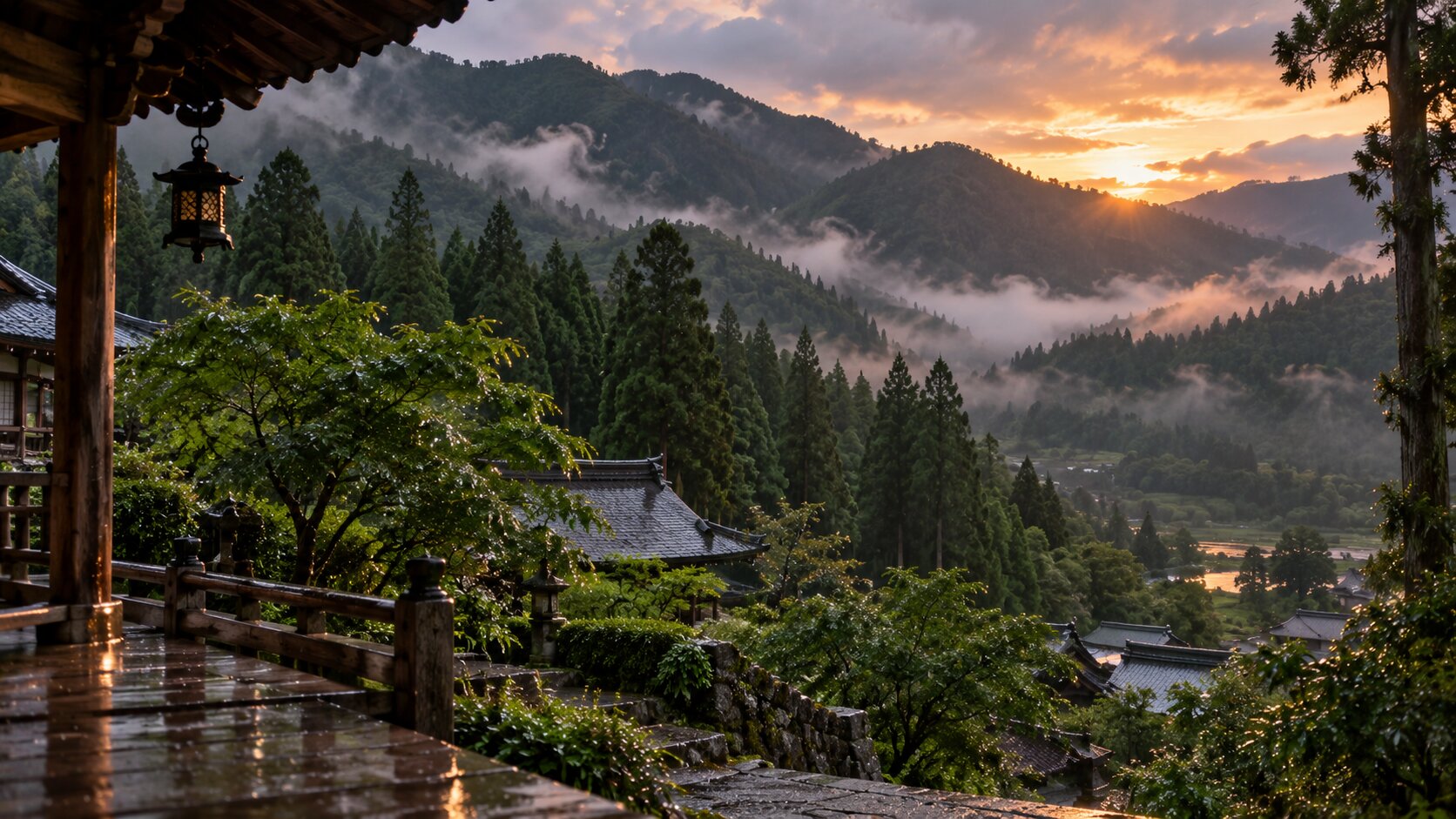
夕立の後、
杉山の緑がいっそう濃くなった。
水を受けた色は、深く息をする。
After the sudden rain,
the green of the cedar mountain grows deeper.
Colors that receive water seem to breathe.
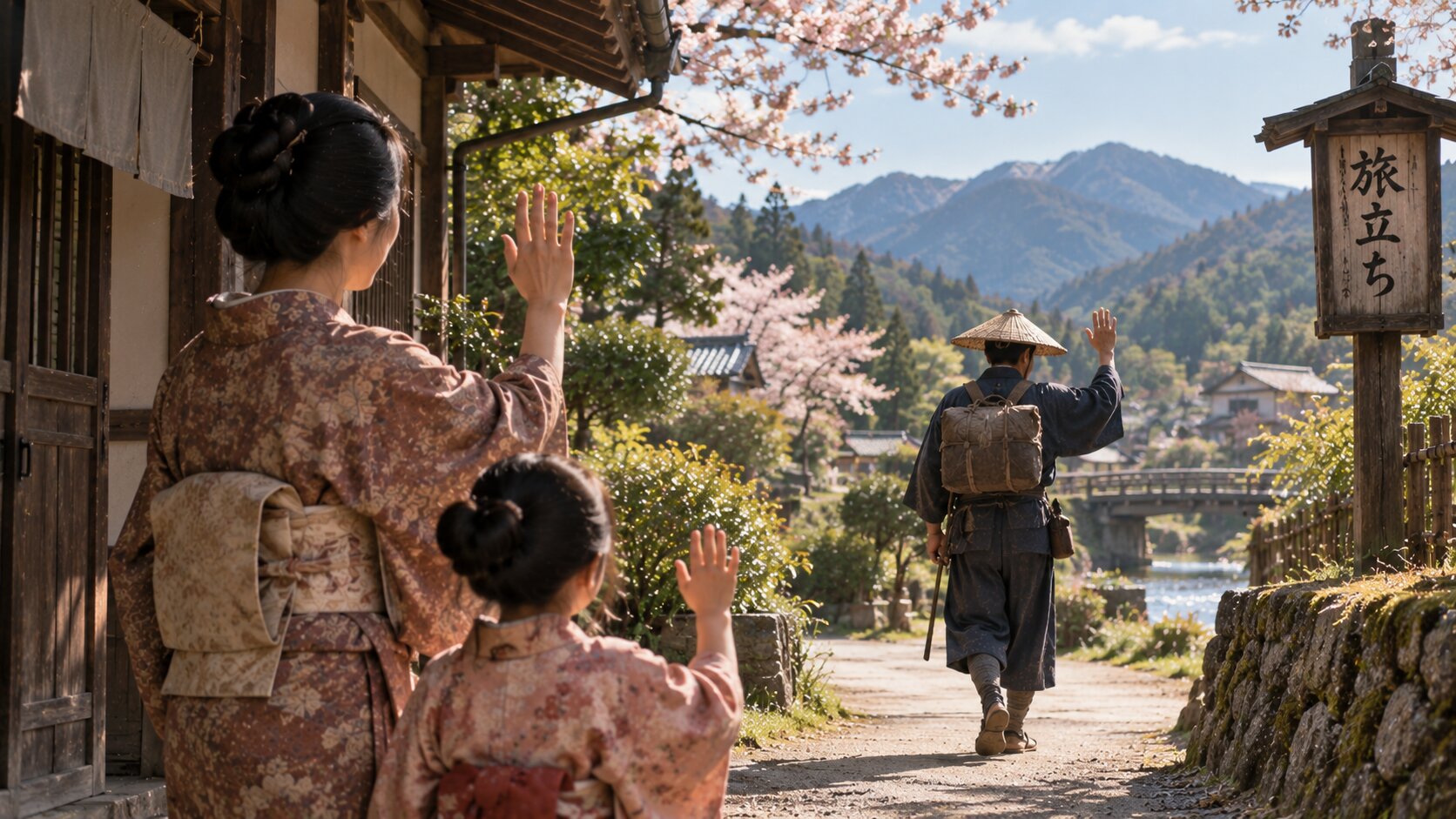
山道の分かれ目まで、
家族は旅立つ人を送ってゆく。
別れは、歩けるところまで共に歩くこと。
The family accompanies the traveller
as far as the fork in the mountain road.
Farewell means walking together as far as one can.
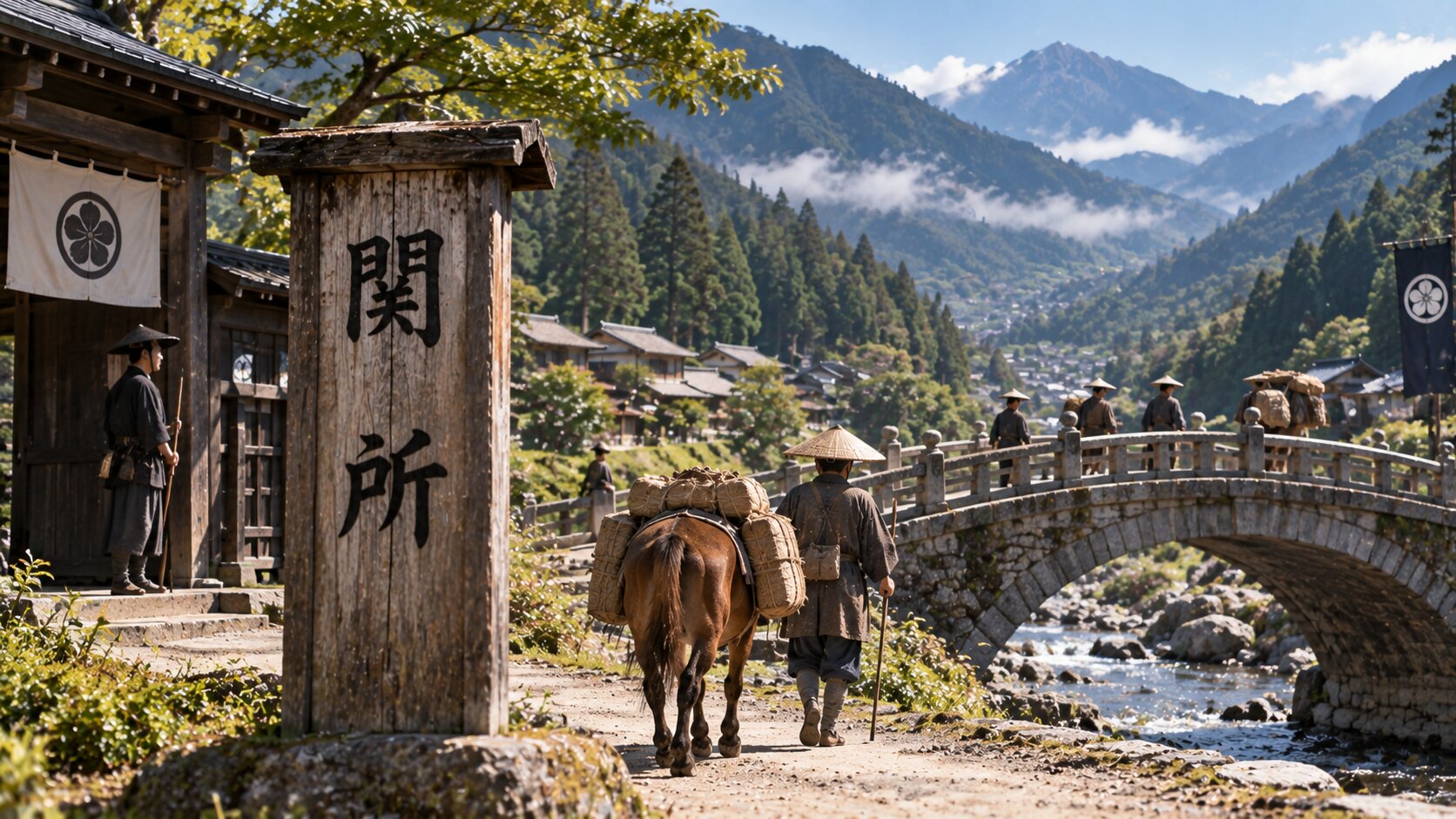
古い関の門で、
旅人は通行手形を静かに差し出す。
境を越えるには、理由と覚悟がいる。
At the gate of the old barrier,
a traveller quietly presents his travel pass.
Crossing a boundary requires both reason and resolve.
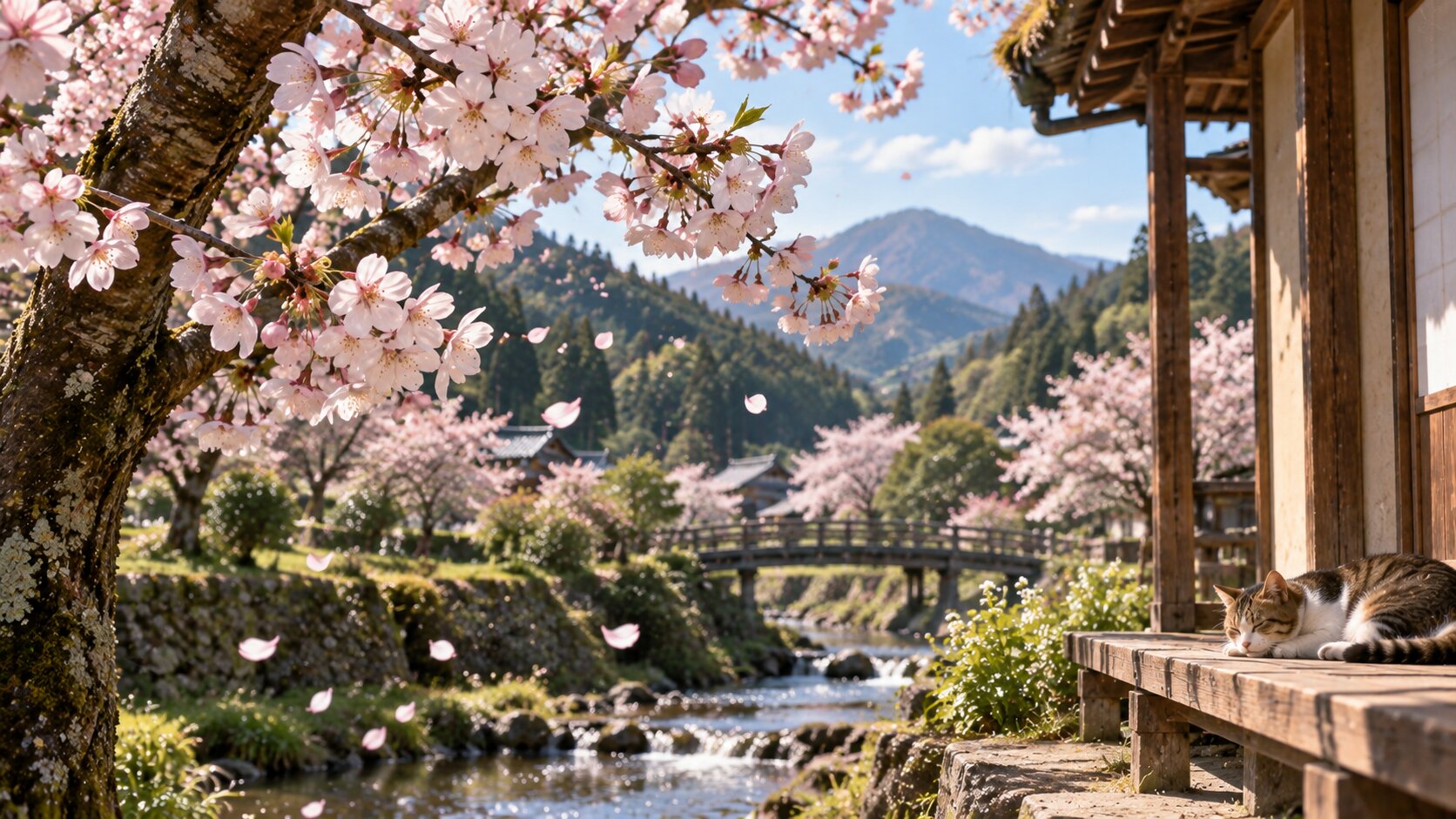
長い冬を越え、
石垣の梅がようやく咲いた。
待った時間だけ、花は明るく見える。
After the long winter,
the plum tree beside the stone wall finally blooms.
The longer the waiting, the brighter the flowers appear.
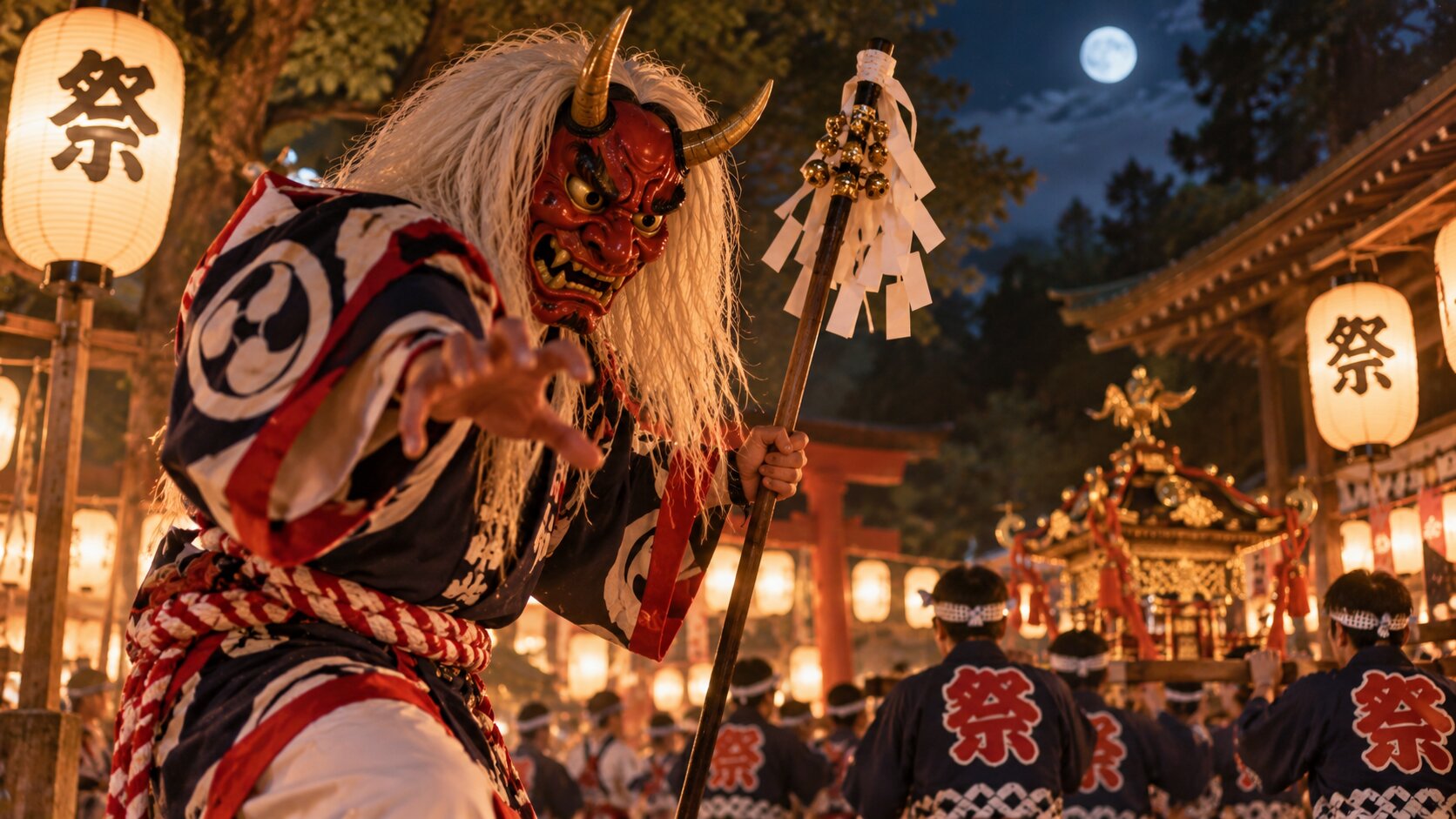
雪深い夜、
門の外に鬼の影が立っている。
恐れは、家の灯が届かぬ場所に育つ。
On a night of deep snow,
the shadow of a demon stands beyond the gate.
Fear grows where the household light cannot reach.
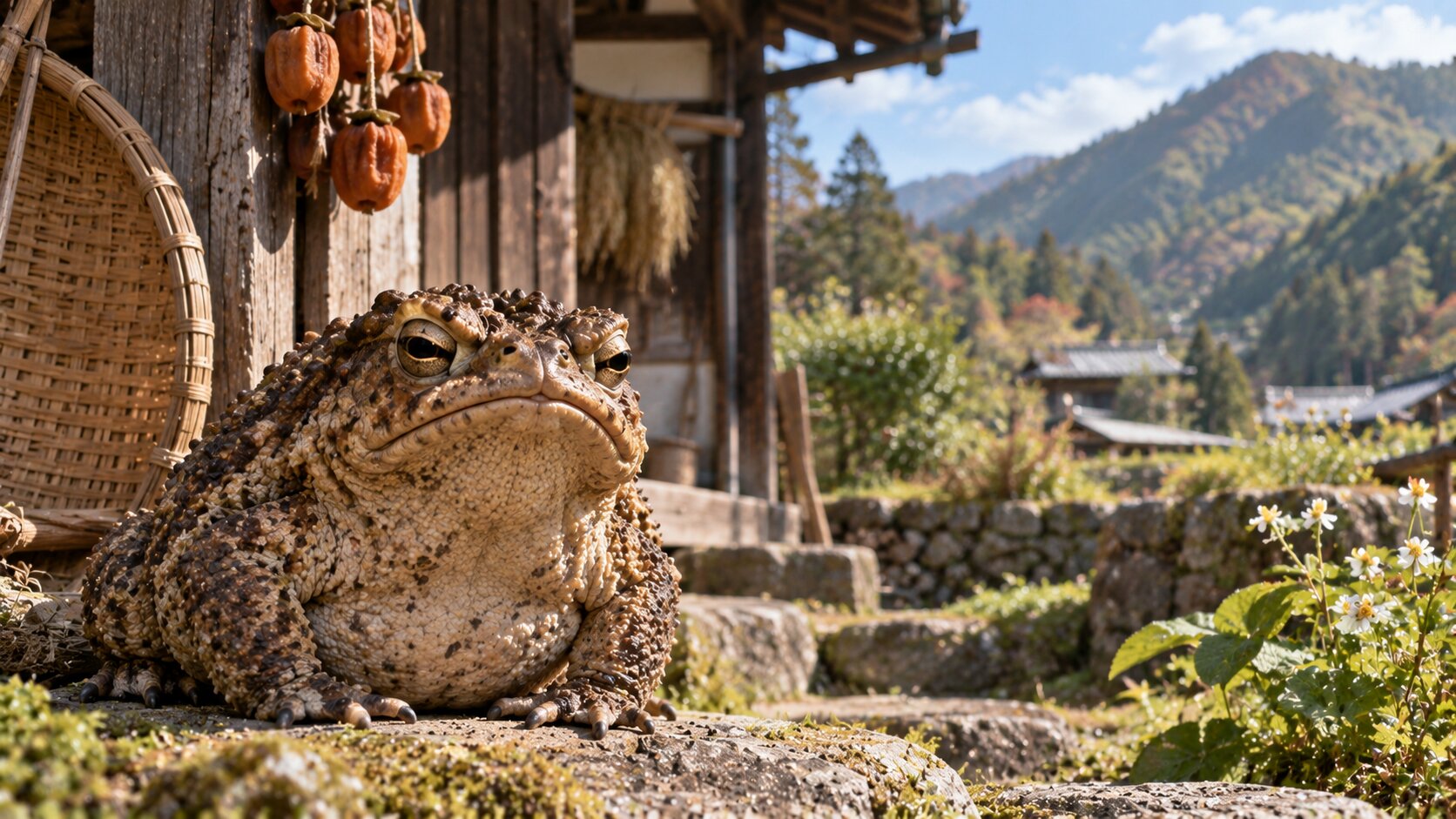
割れた鏡に映る顔を見て、
男は己の醜さを外に探す。
本当に歪むのは、姿より心かもしれない。
Looking at his face in a cracked mirror,
a man searches outside himself for ugliness.
What is truly distorted may be the heart, not the face.
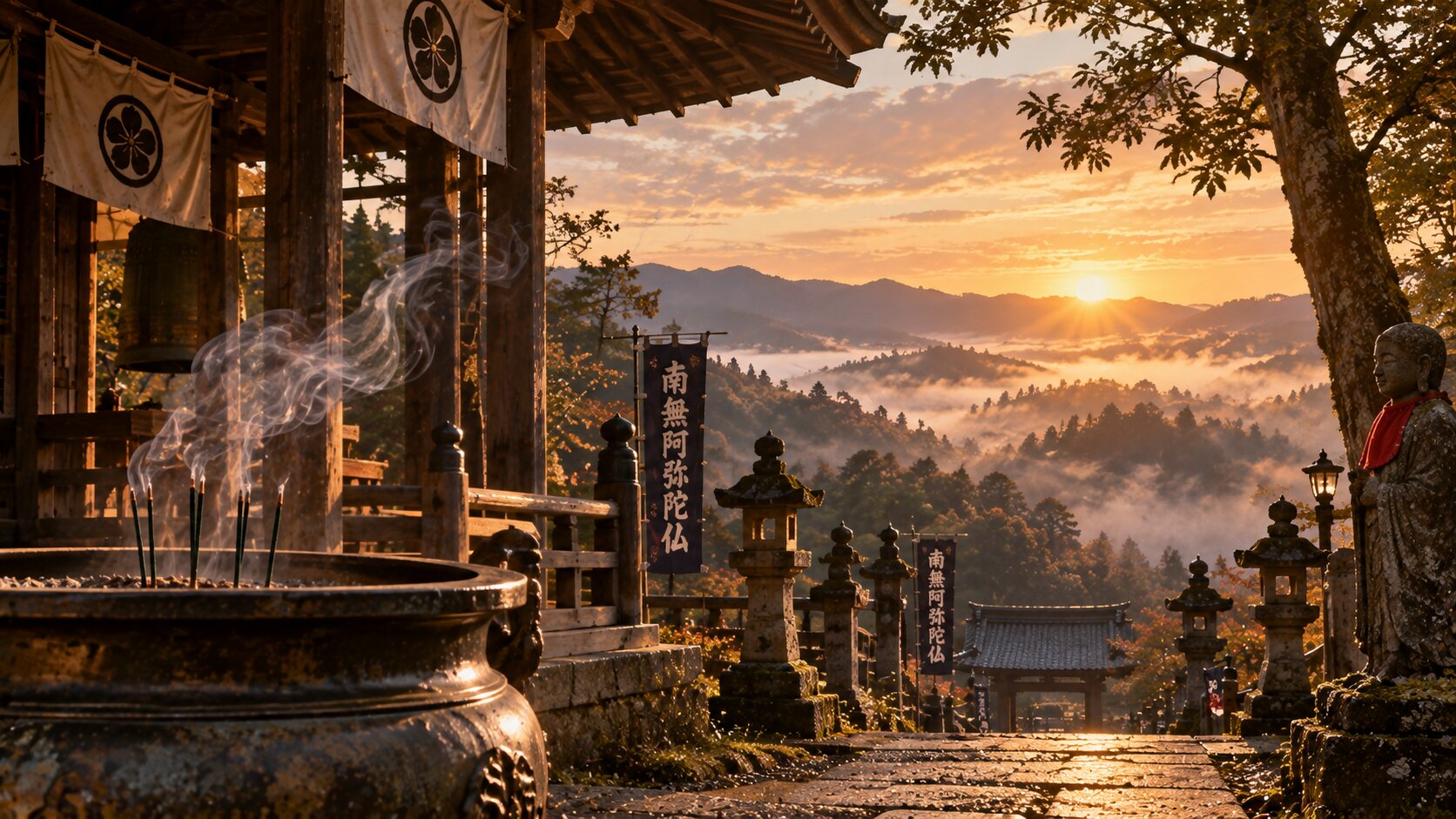
亡き人の衣を畳む手に、
まだ温もりの記憶が残っている。
魂は、触れたものの中にも宿る。
In the hands folding the clothes of one who has died,
the memory of warmth still remains.
The soul also dwells in what it once touched.
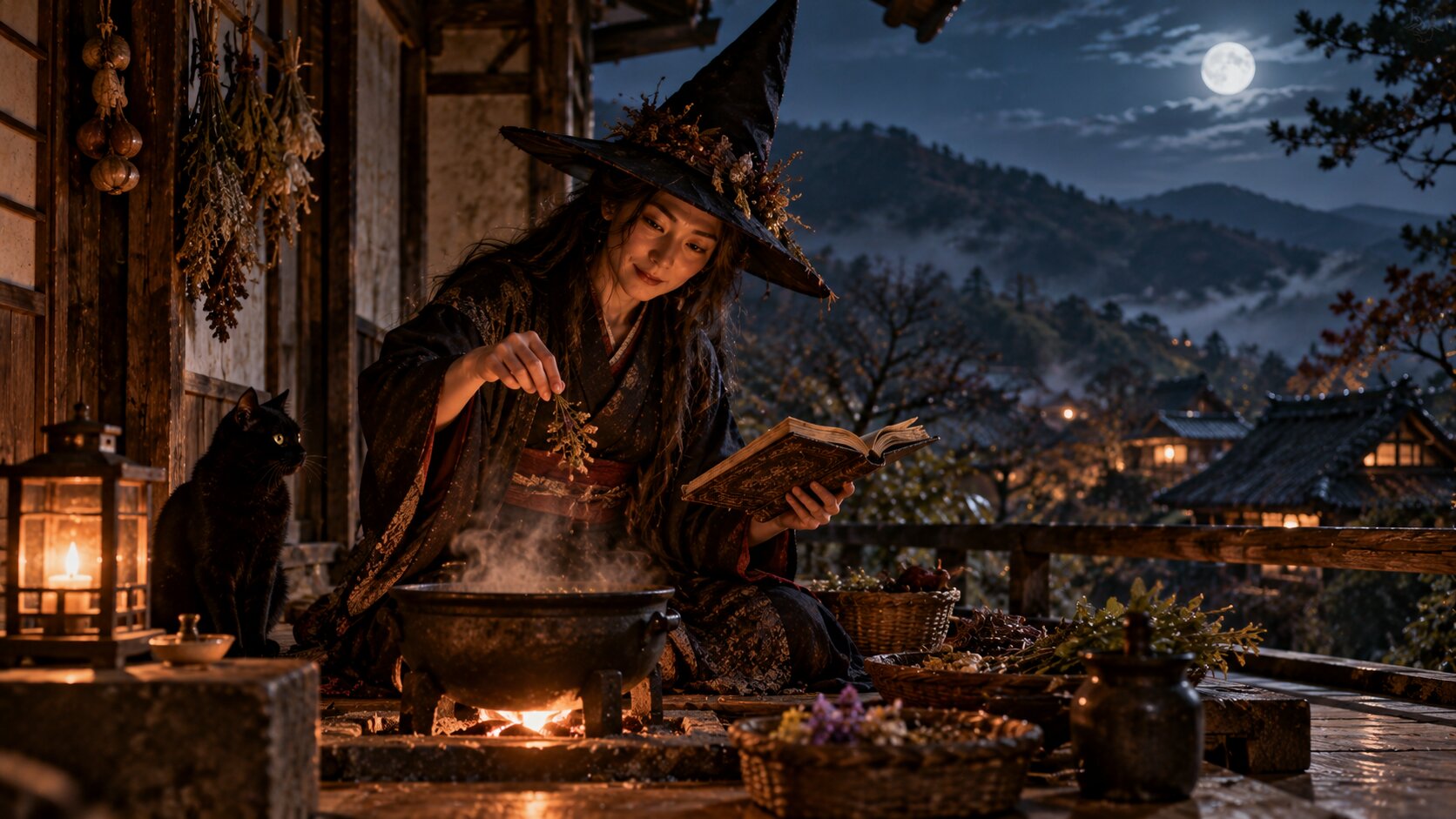
深い森で道を失うと、
見慣れた木々まで魔の姿に変わる。
恐れは、景色に別の顔を与える。
When one loses the path in the deep forest,
even familiar trees take on the form of evil spirits.
Fear gives the landscape another face.
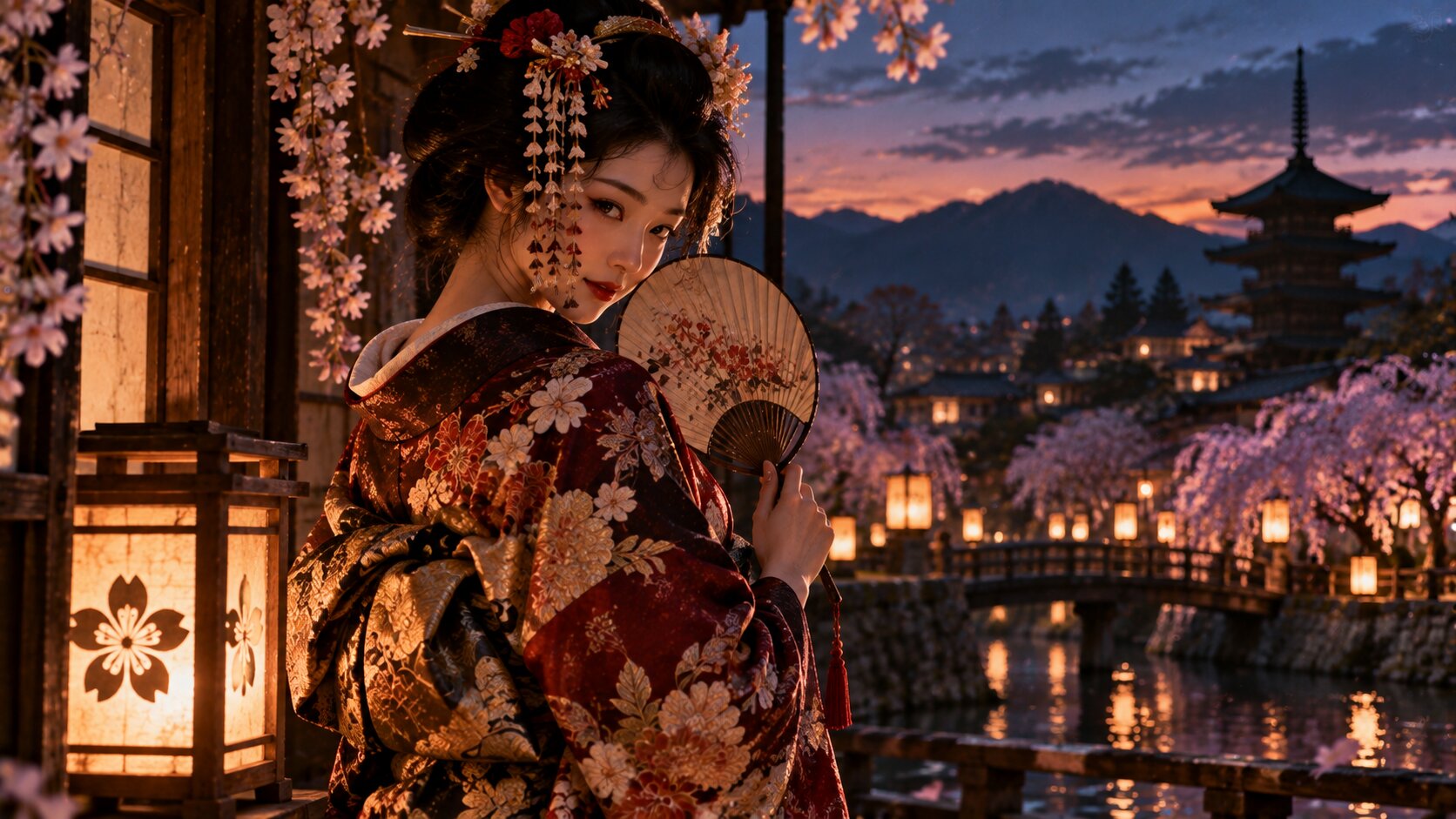
月下の舞に目を奪われ、
見物人は息をすることさえ忘れる。
人を魅せるものは、技と心の間に生まれる。
Held by the dance beneath the moon,
the audience forgets even to breathe.
What enchants others is born between skill and spirit.