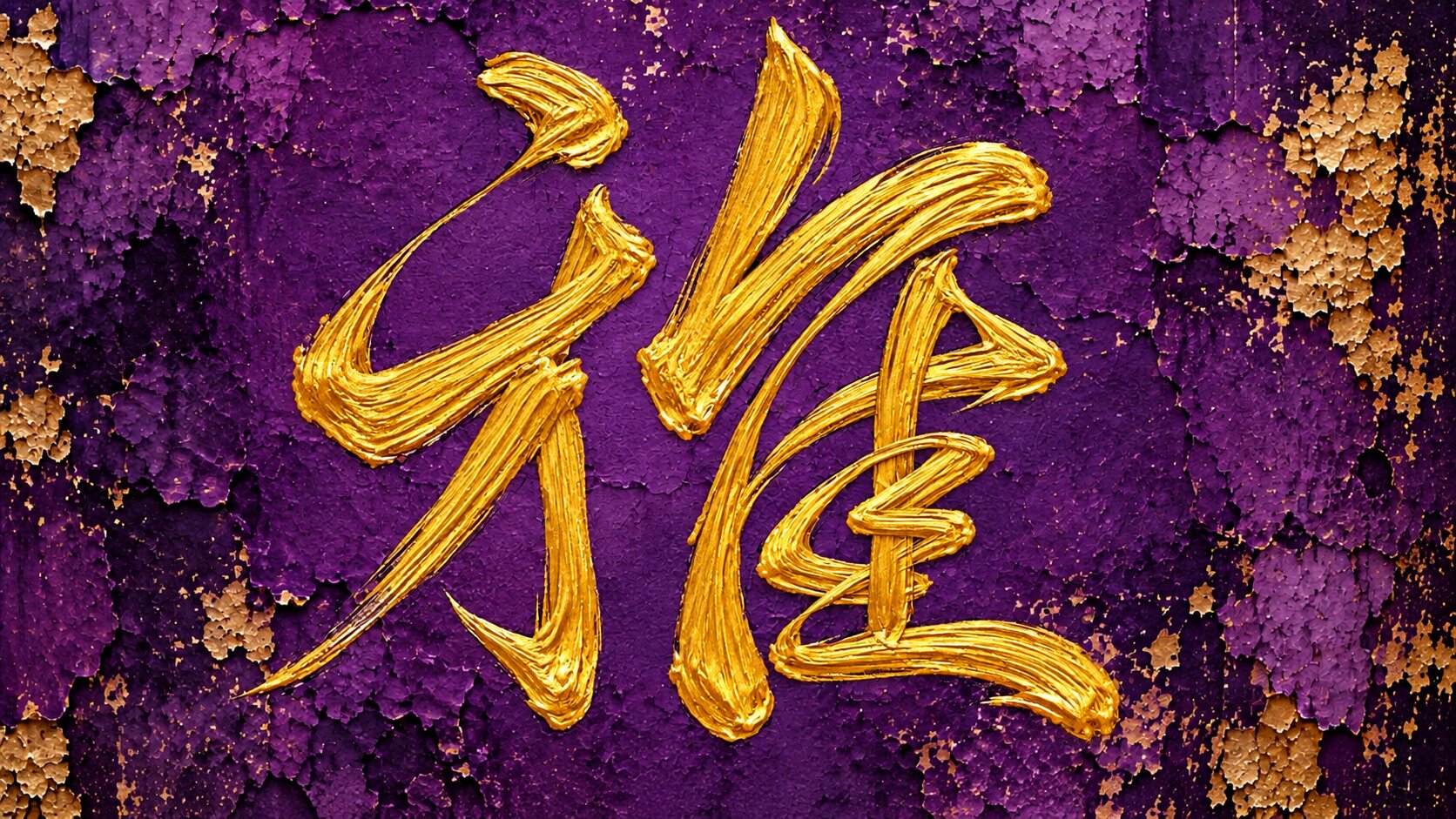
💡 Tip: Click the featured kanji to view stroke order animations
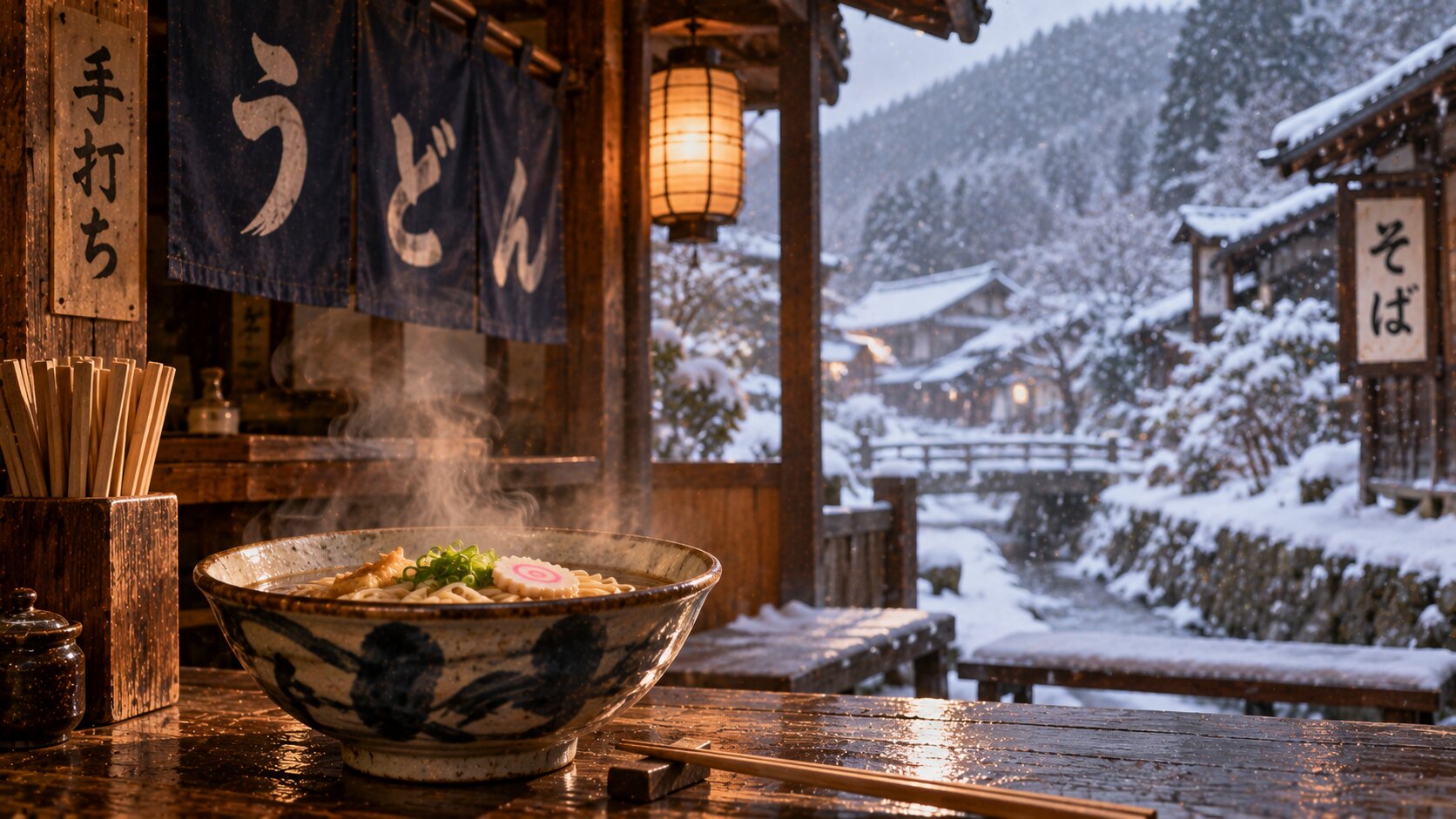
冬の店先で麺をすすると、
白い湯気が顔を包んでゆく。
一椀の温かさが、旅の疲れをほどく。
Slurping noodles at a winter shop,
white steam gathers around the face.
The warmth of one bowl loosens the weariness of travel.
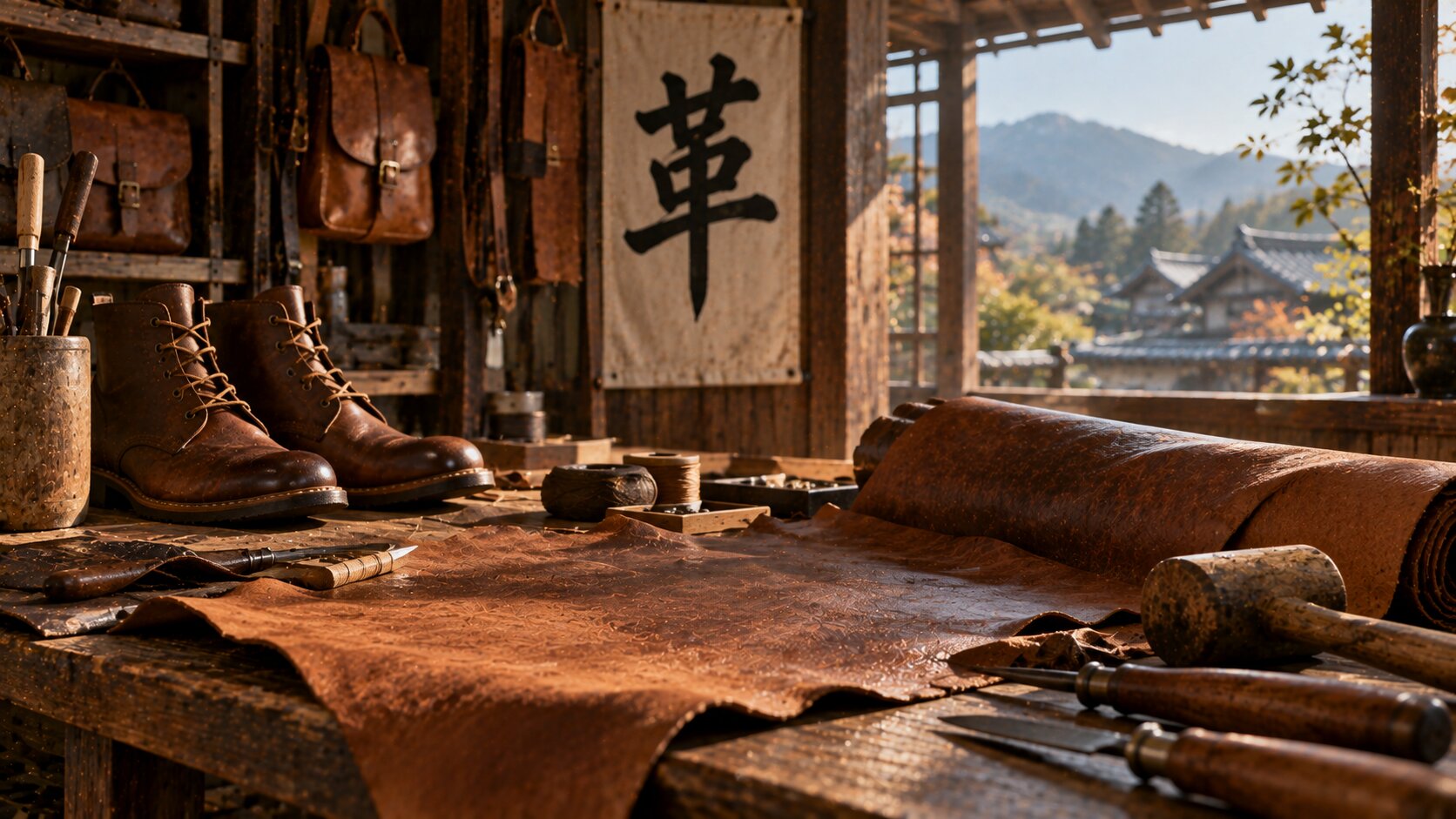
職人は革を水で柔らかくし、
使う人の手に合う形へ整える。
丈夫なものほど、時間をかけて馴染んでゆく。
The craftsman softens the leather with water
and shapes it to fit the hands that will use it.
The strongest things often take time to become familiar.
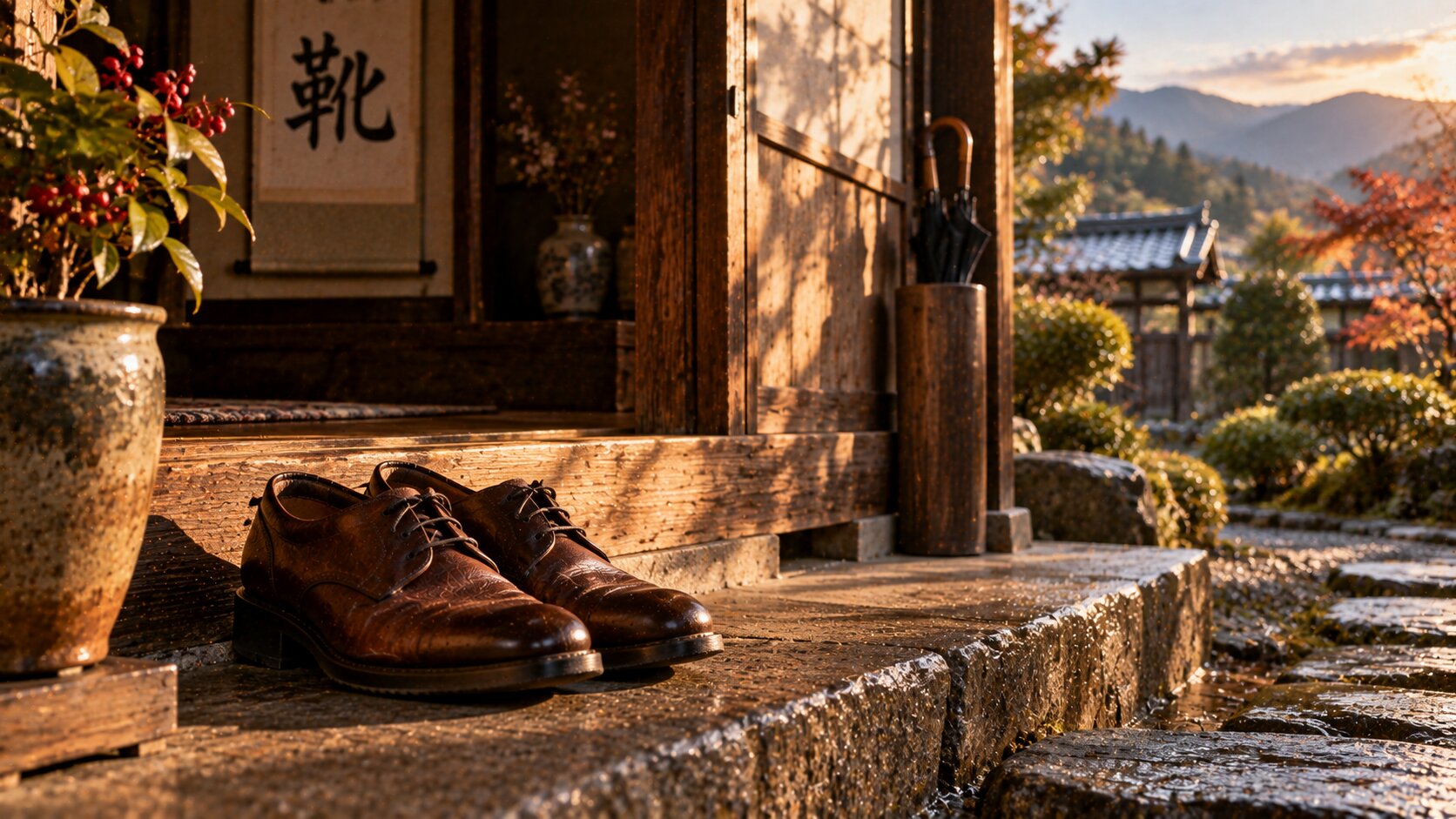
玄関に泥のついた靴が並び、
子どもたちは奥で眠っている。
一日の道が、履物の底に残っている。
Mud-stained shoes stand at the entrance,
while the children sleep inside.
The roads of the day remain upon their soles.
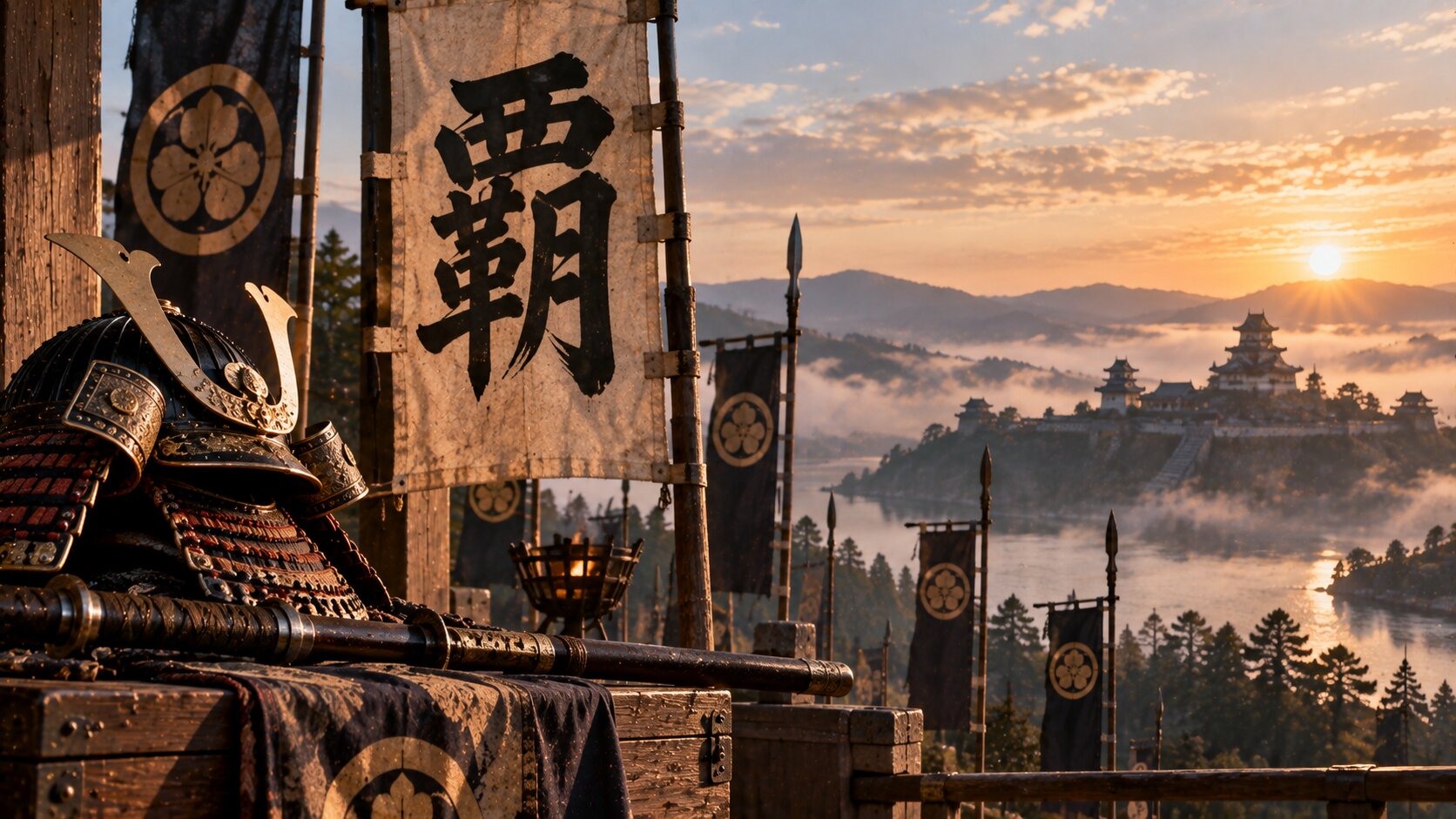
多くの旗が風に倒れた後、
一つだけが城壁の上に残る。
覇を得る者も、孤独からは逃れられない。
After many banners have fallen in the wind,
only one remains above the castle wall.
Even one who gains supremacy cannot escape solitude.
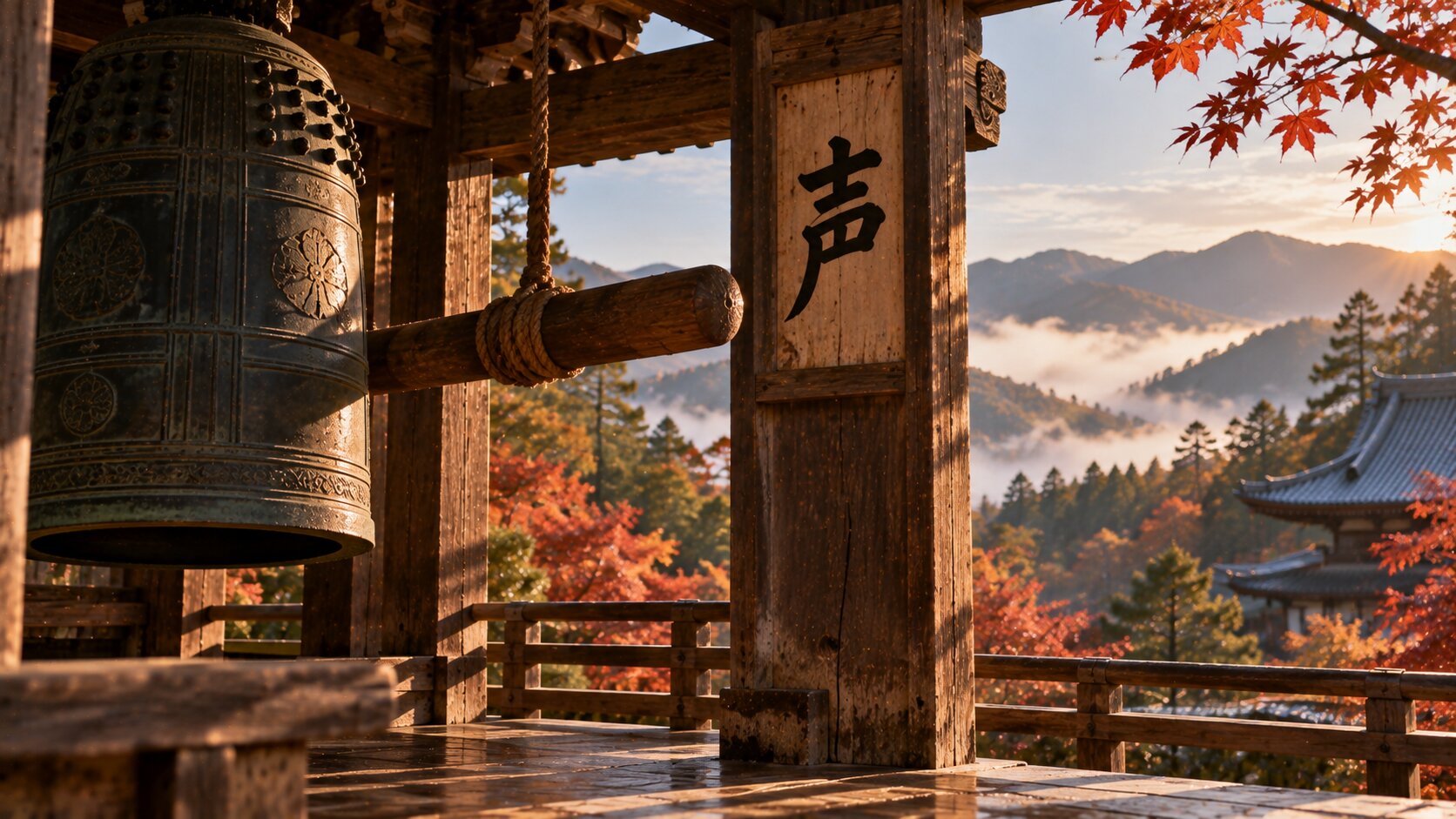
深い谷で名を呼ぶと、
自分の声が山から戻ってくる。
放った言葉は、形を変えて心へ返る。
Calling a name into the deep valley,
one’s own voice returns from the mountains.
Words released into the world return in another form.
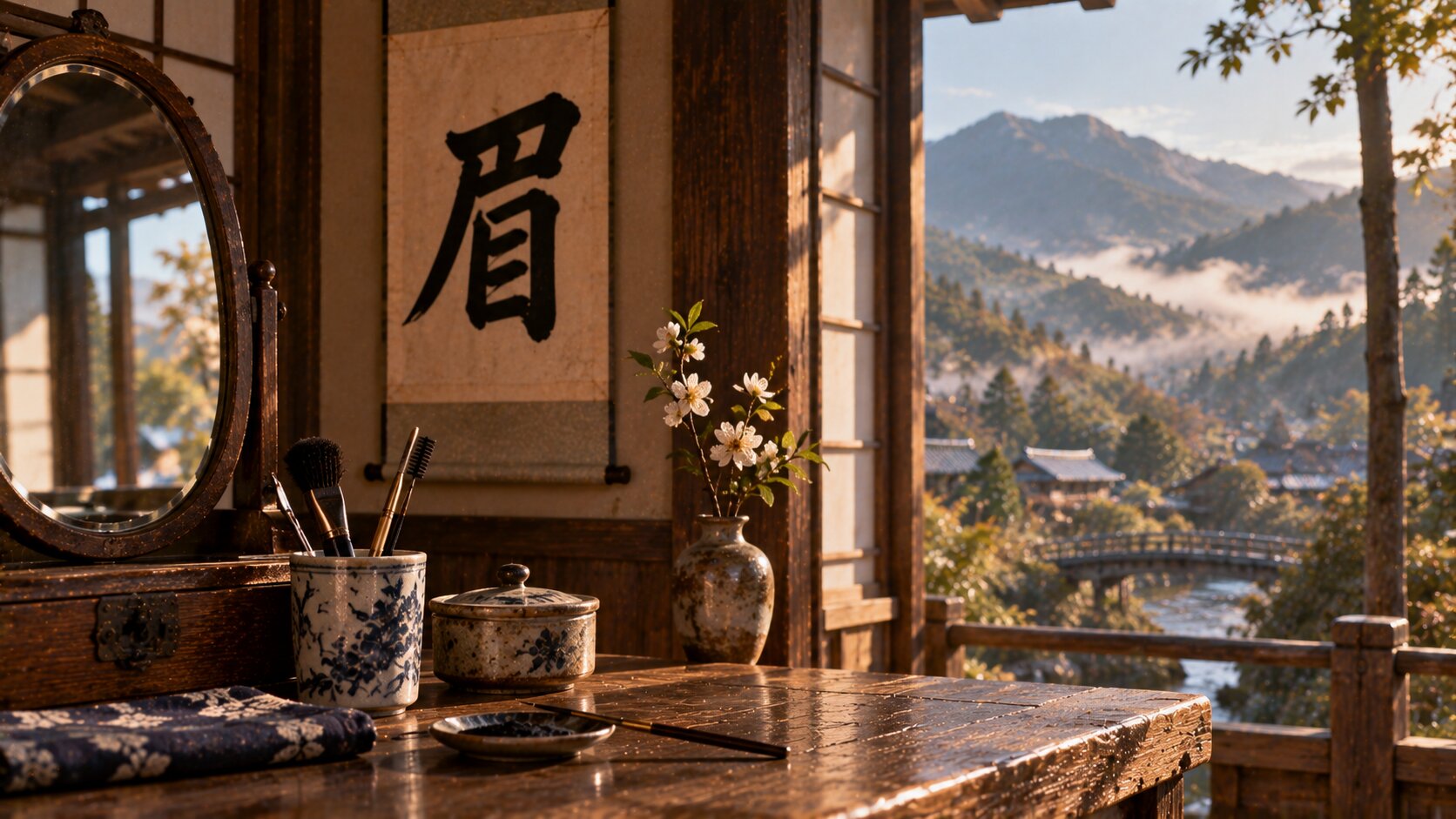
母は眠る子の眉に触れ、
熱が下がったかを静かに確かめる。
心配する手は、小さな変化を見逃さない。
A mother touches the brow of her sleeping child,
quietly checking whether the fever has fallen.
A caring hand notices the smallest change.
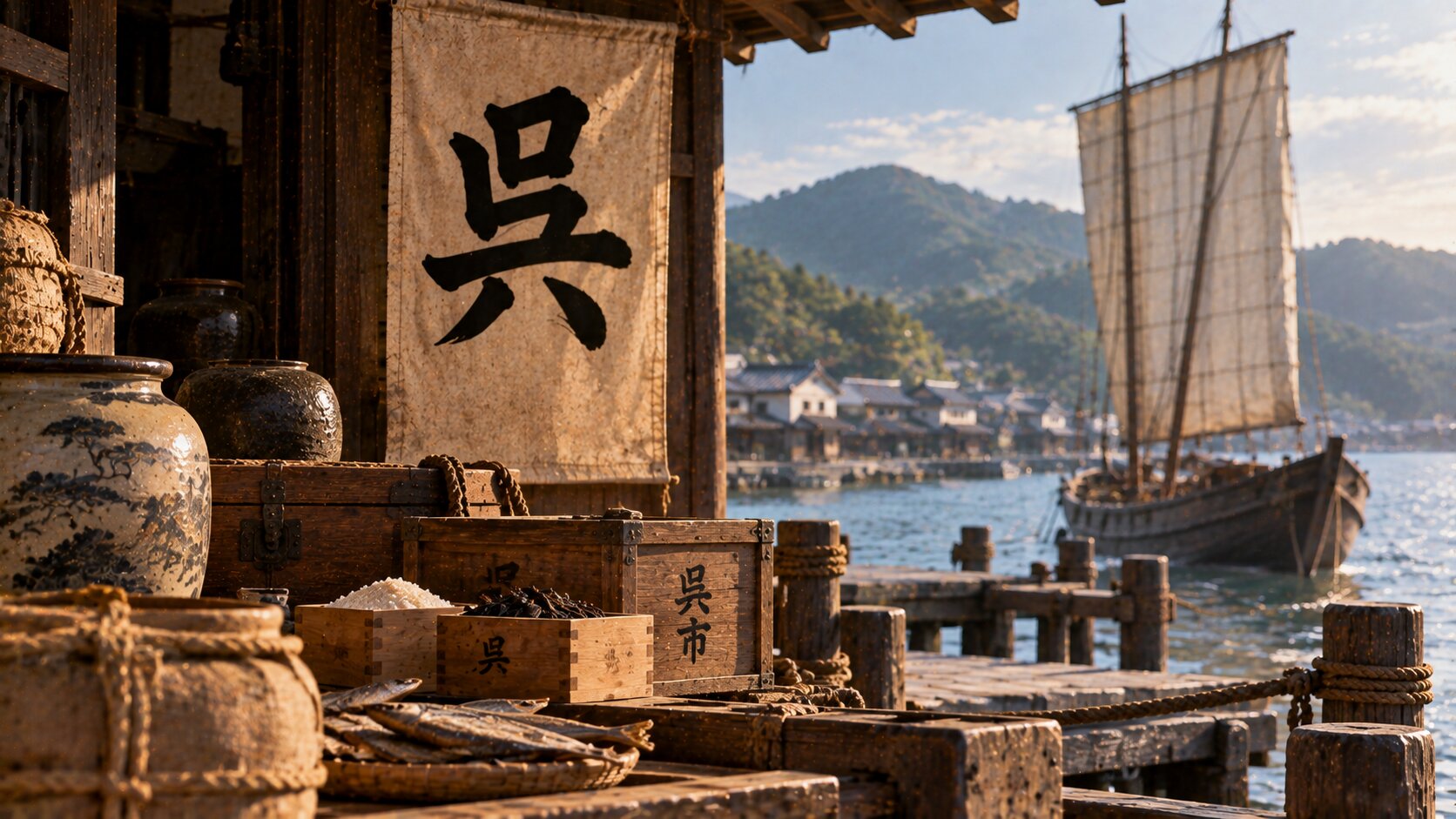
旅人に水を呉れた老婆は、
名も聞かずに門を閉じる。
惜しみなく与えたものは、長く記憶に残る。
The old woman who gives water to the traveller
closes her gate without asking his name.
What is freely given remains long in memory.
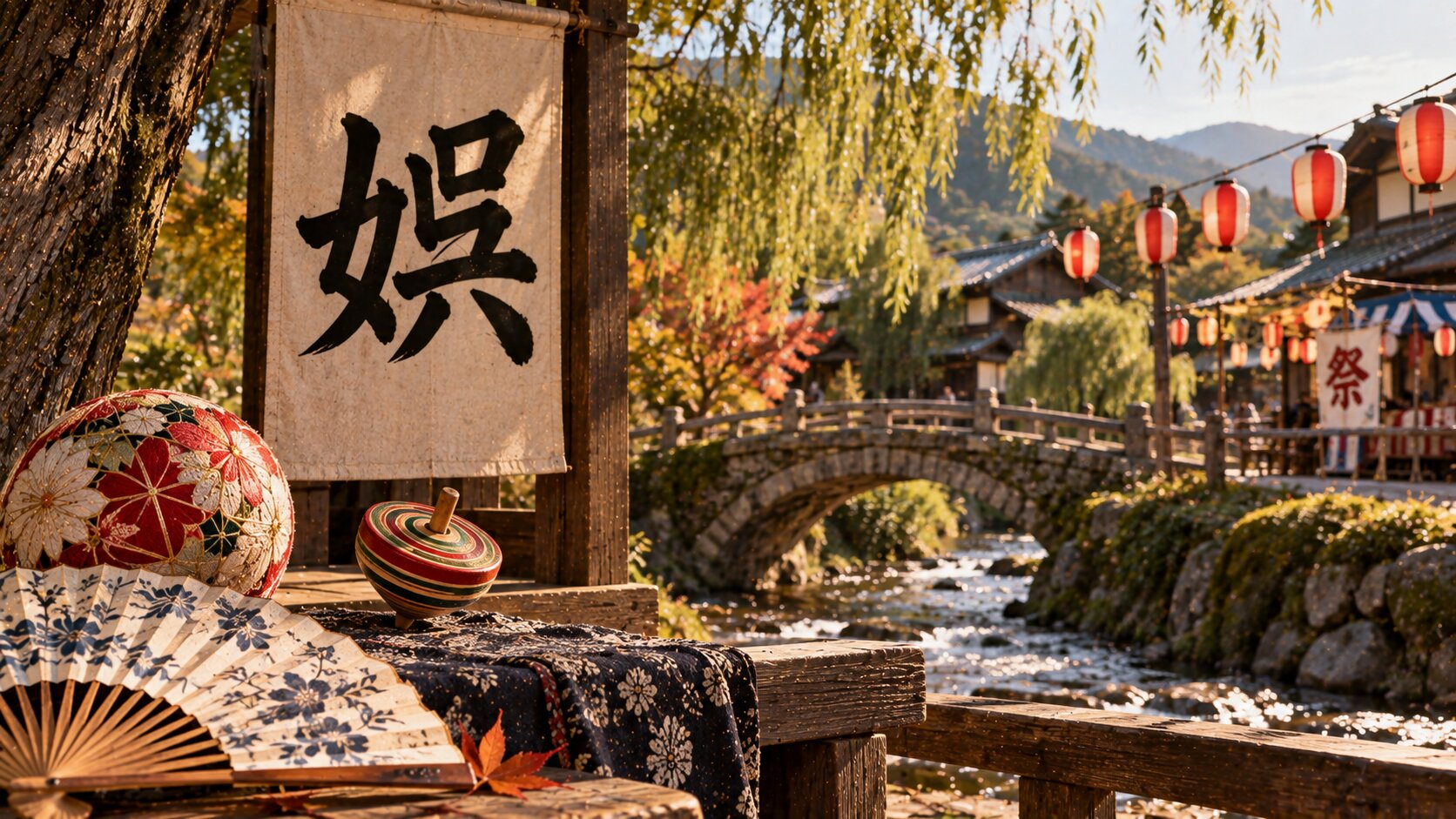
仕事を終えた人々が、
囲炉裏のそばで歌と酒を娯しむ。
休む喜びが、明日の力を戻してゆく。
After finishing their work,
people enjoy songs and drink beside the hearth.
The joy of rest restores strength for tomorrow.
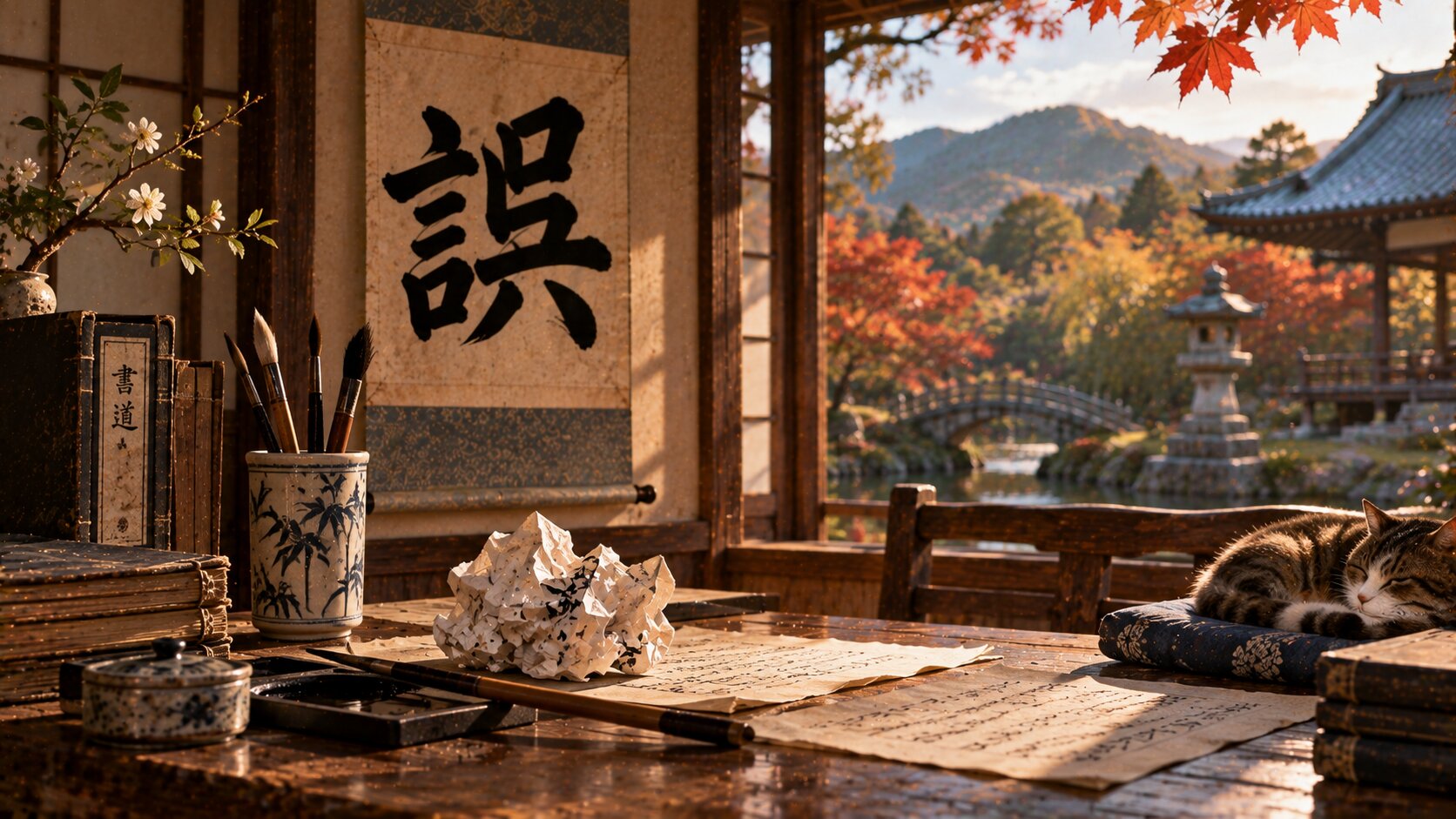
道を誤った旅人は、
知らない村の灯に救われる。
間違いの先にも、出会うべき景色がある。
A traveller who has taken the wrong road
is saved by the lights of an unfamiliar village.
Beyond a mistake may lie a landscape worth finding.
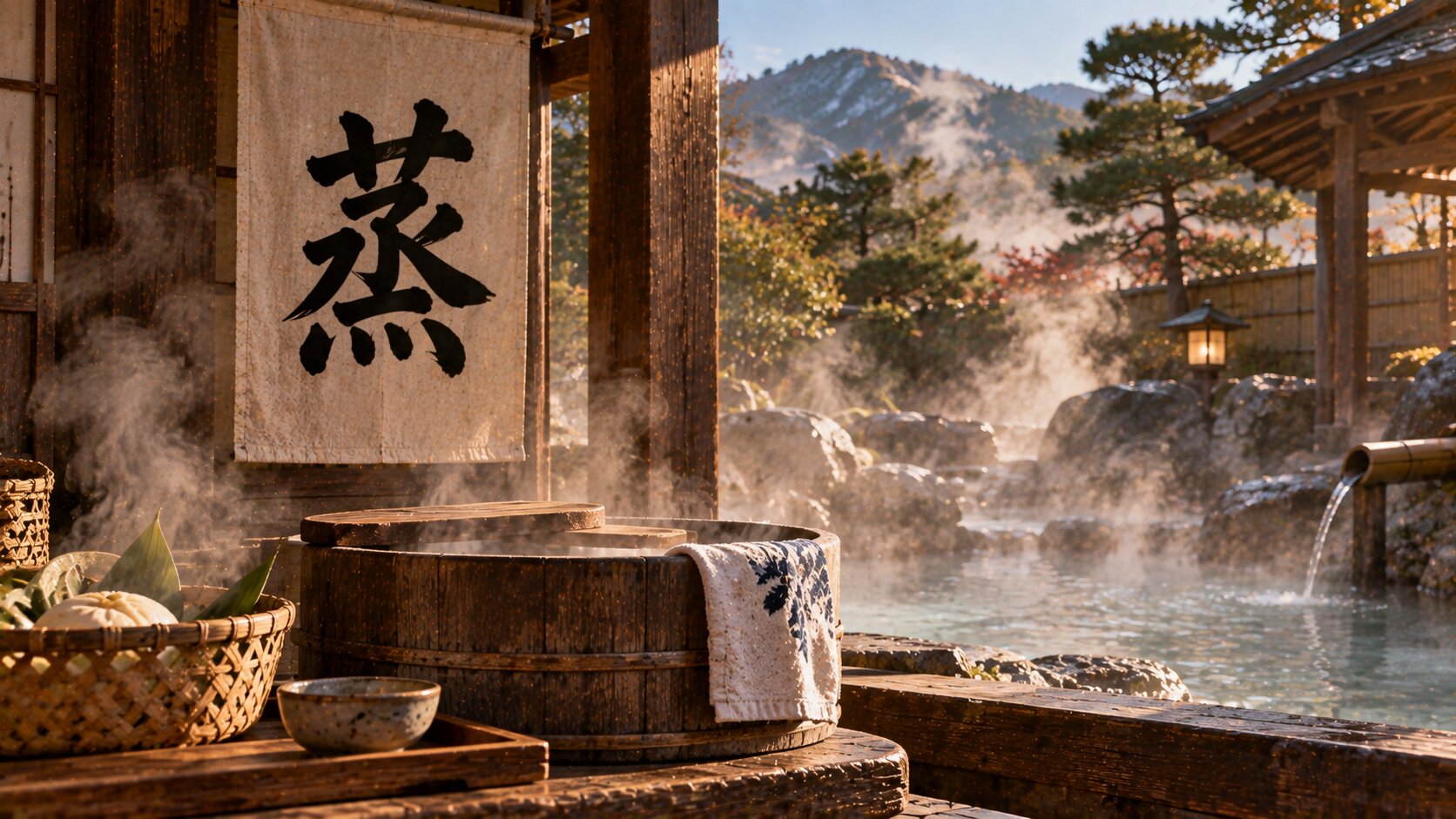
竹の蒸籠から湯気が立ち、
餅米の香りが台所に満ちる。
見えない熱が、固いものを柔らかくする。
Steam rises from the bamboo basket,
and the scent of glutinous rice fills the kitchen.
Invisible heat softens what was hard.
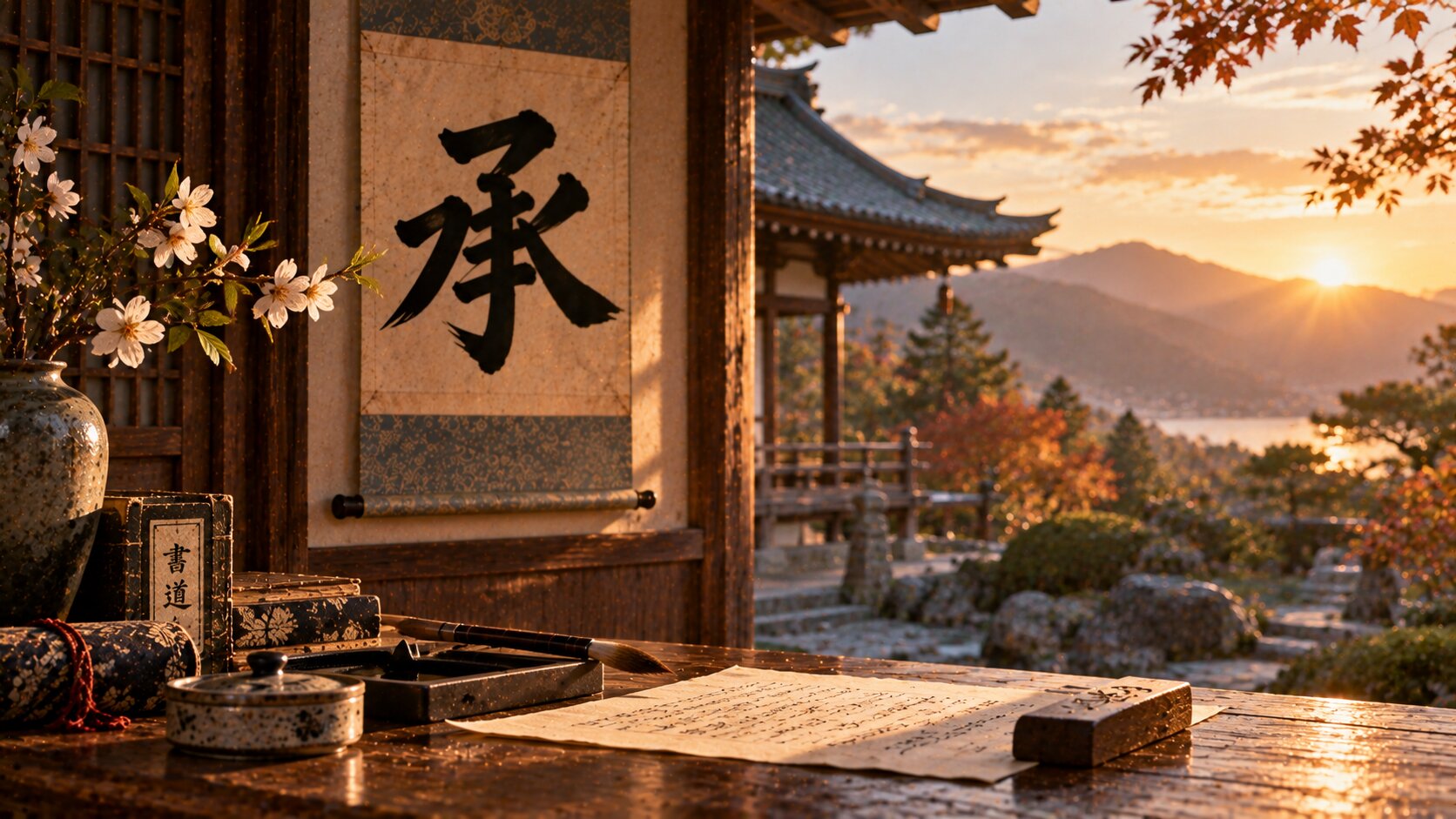
若い職人は師の言葉を承り、
深く頭を下げて道具を受け取る。
受け継ぐことは、聞くことから始まる。
The young craftsman receives his master’s words
and bows deeply as he accepts the tools.
Inheritance begins with listening.
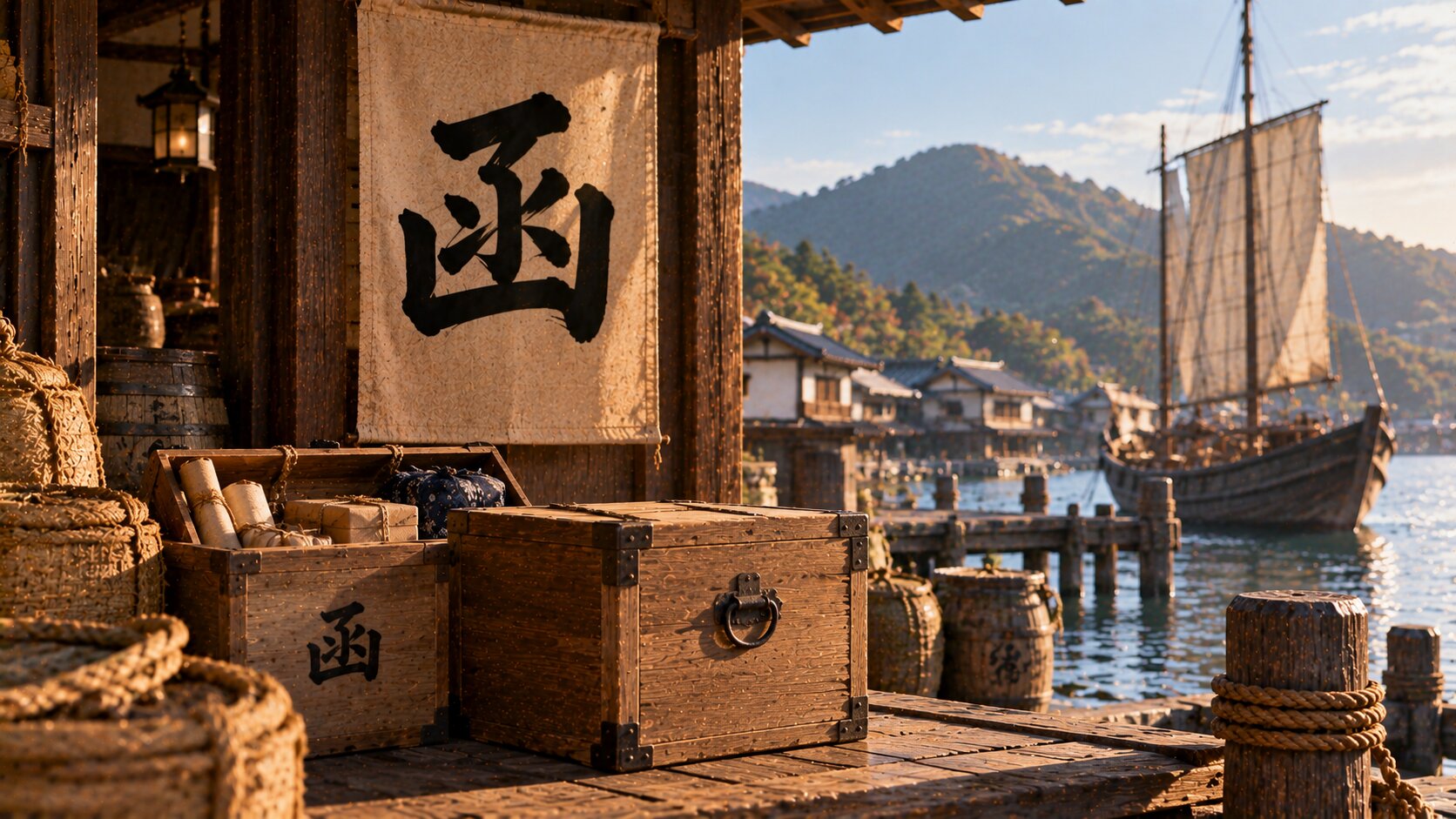
古い函を開くと、
手紙と写真が香木の匂いを残している。
閉じられた箱にも、時は眠っている。
Opening an old box,
one finds letters and photographs scented with fragrant wood.
Time sleeps even inside what has been closed.
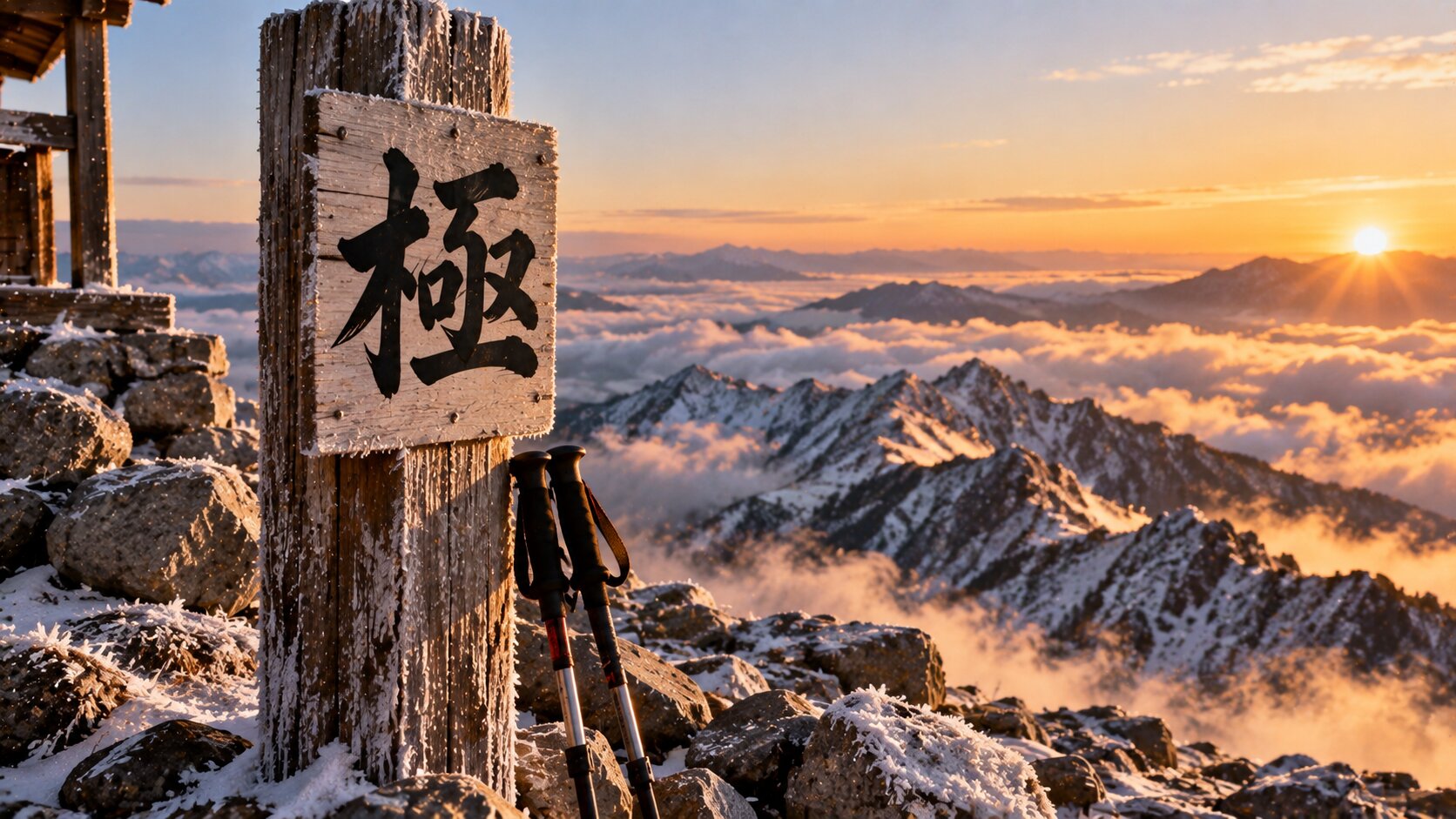
冬山の頂に立つと、
風と白い空だけが残っている。
極みに近づくほど、余計なものは消えてゆく。
Standing upon the winter summit,
only wind and white sky remain.
The closer one comes to the extreme, the more all excess disappears.
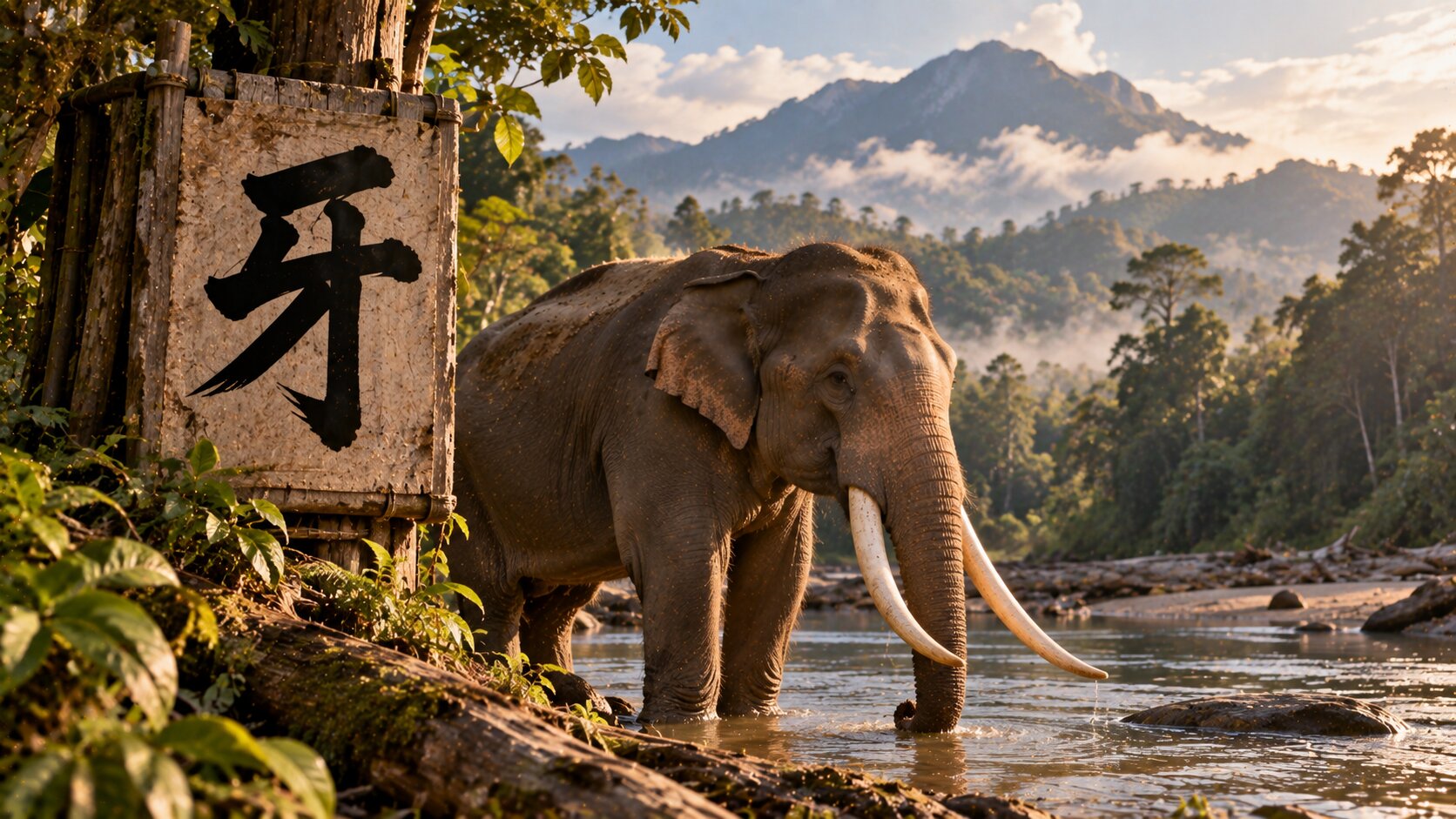
森の影で狼が牙を見せるが、
その後ろには子どもたちが隠れている。
鋭さもまた、守るために向けられる。
A wolf bares its fangs in the forest shadows,
while its young hide behind it.
Sharpness too may be turned toward protection.
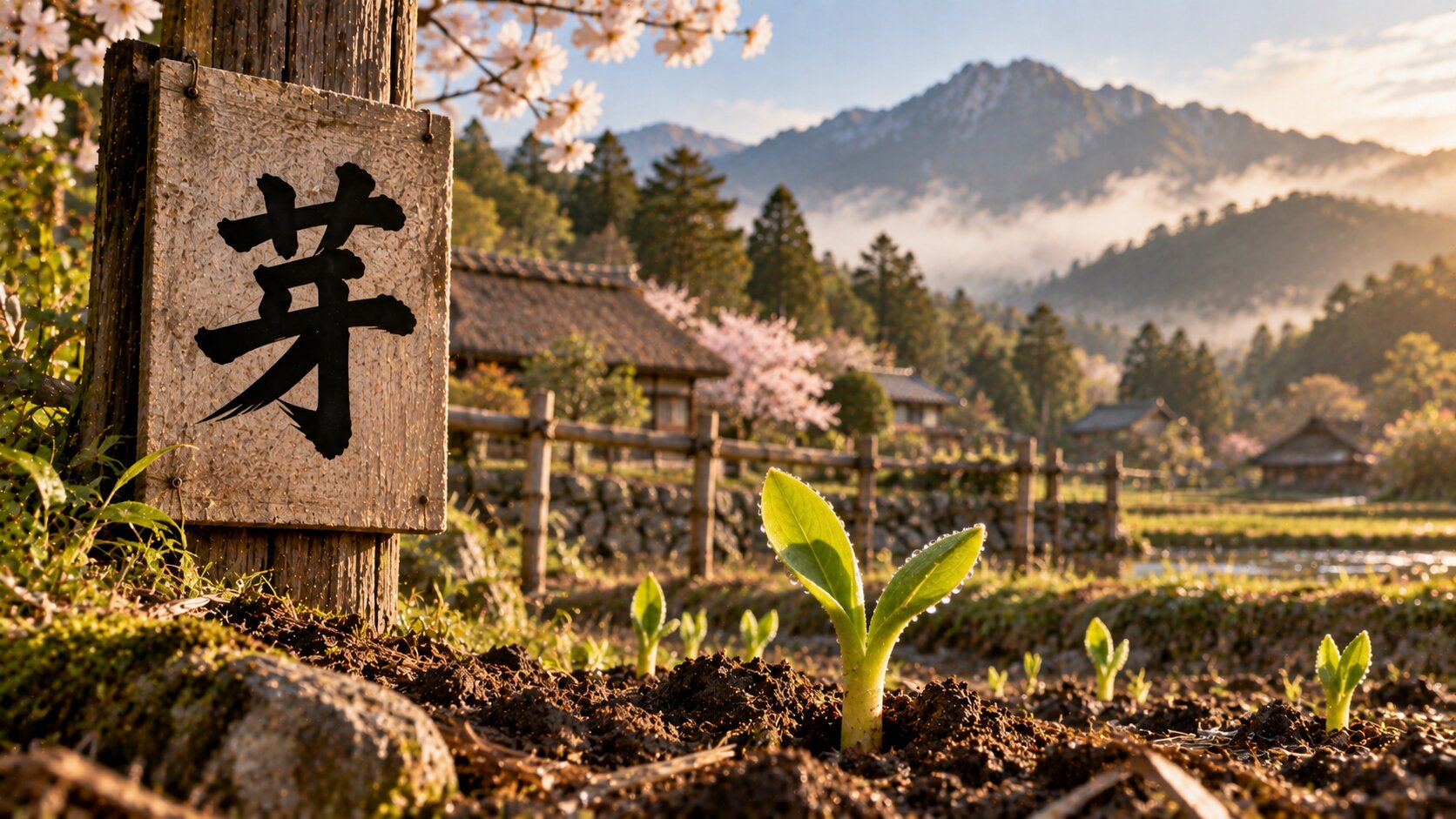
焼けた野の土から、
小さな芽が一本だけ顔を出す。
失われた場所にも、命は戻ろうとする。
From the soil of a burned field,
a single small sprout appears.
Even where much was lost, life tries to return.
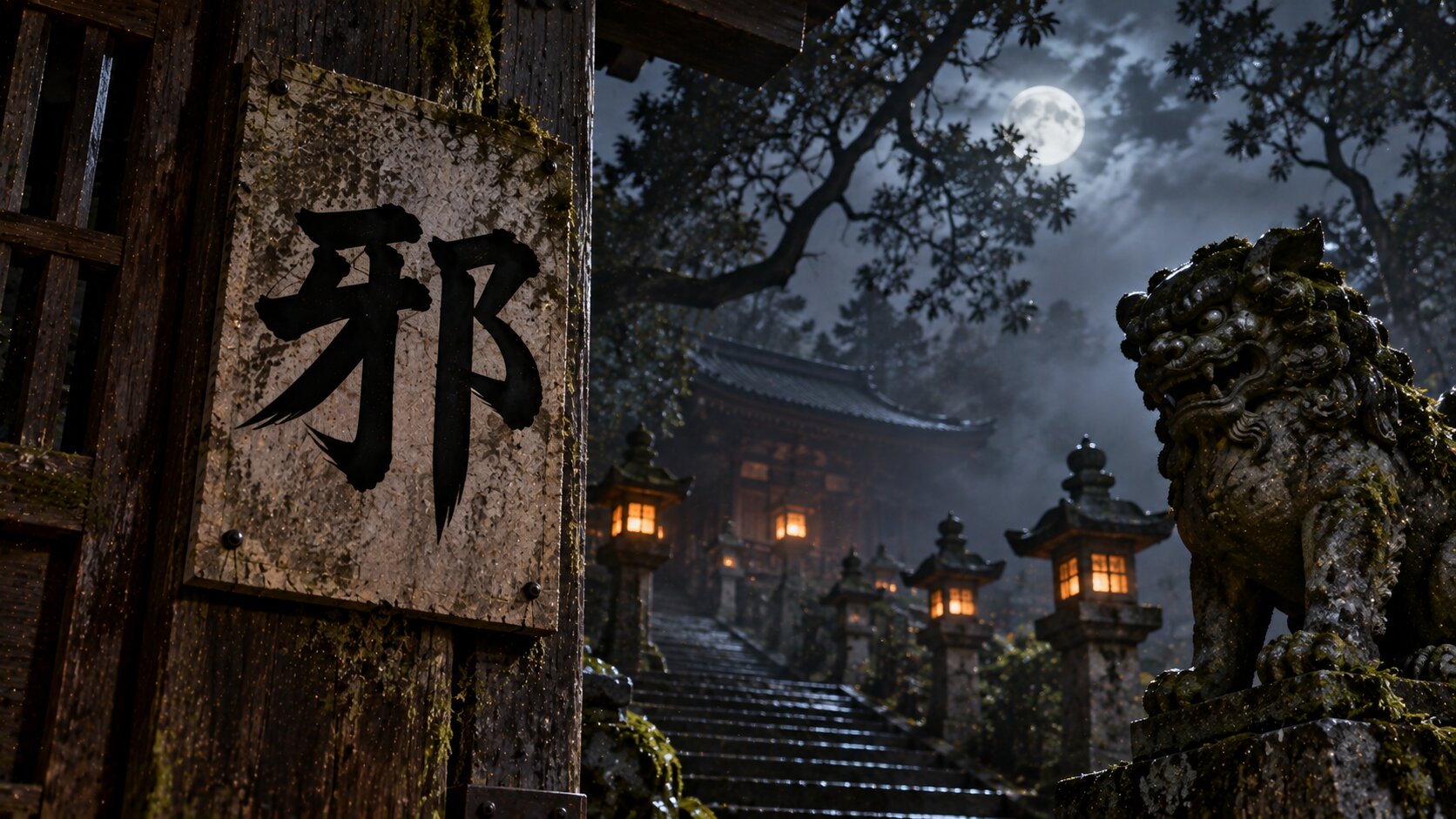
夜の帳面に数字を書き換え、
男は灯を消して部屋を出る。
邪な心は、光を避けて動く。
Changing the figures in the ledger at night,
a man extinguishes the lamp and leaves.
A crooked heart prefers to work beyond the light.
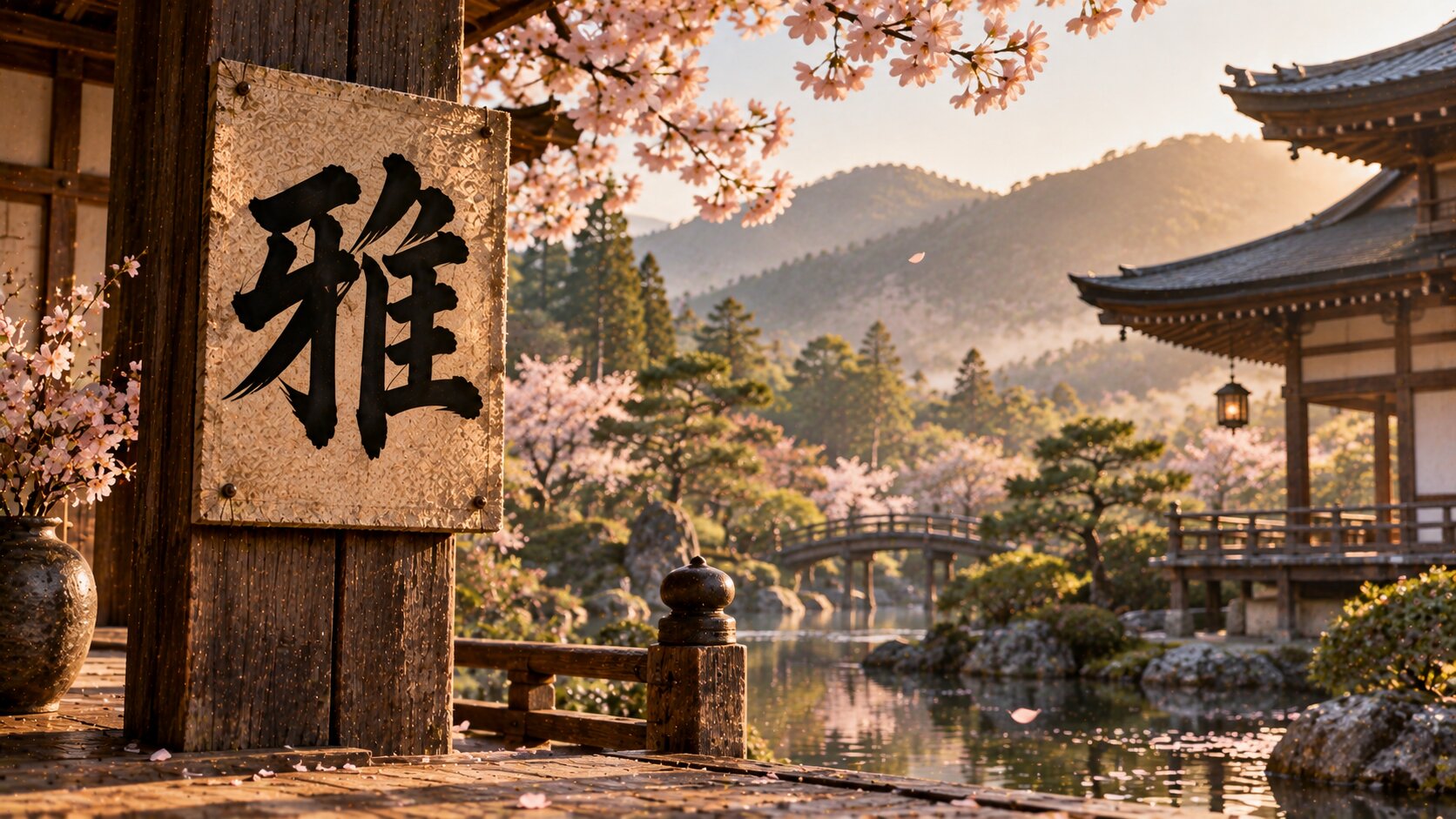
花を一枝だけ床の間に置き、
余白の中に雅を整える。
美しさは、加えることより抑えることに宿る。
A single flowering branch is placed in the alcove,
and elegance is arranged within the empty space.
Beauty often lives more in restraint than addition.
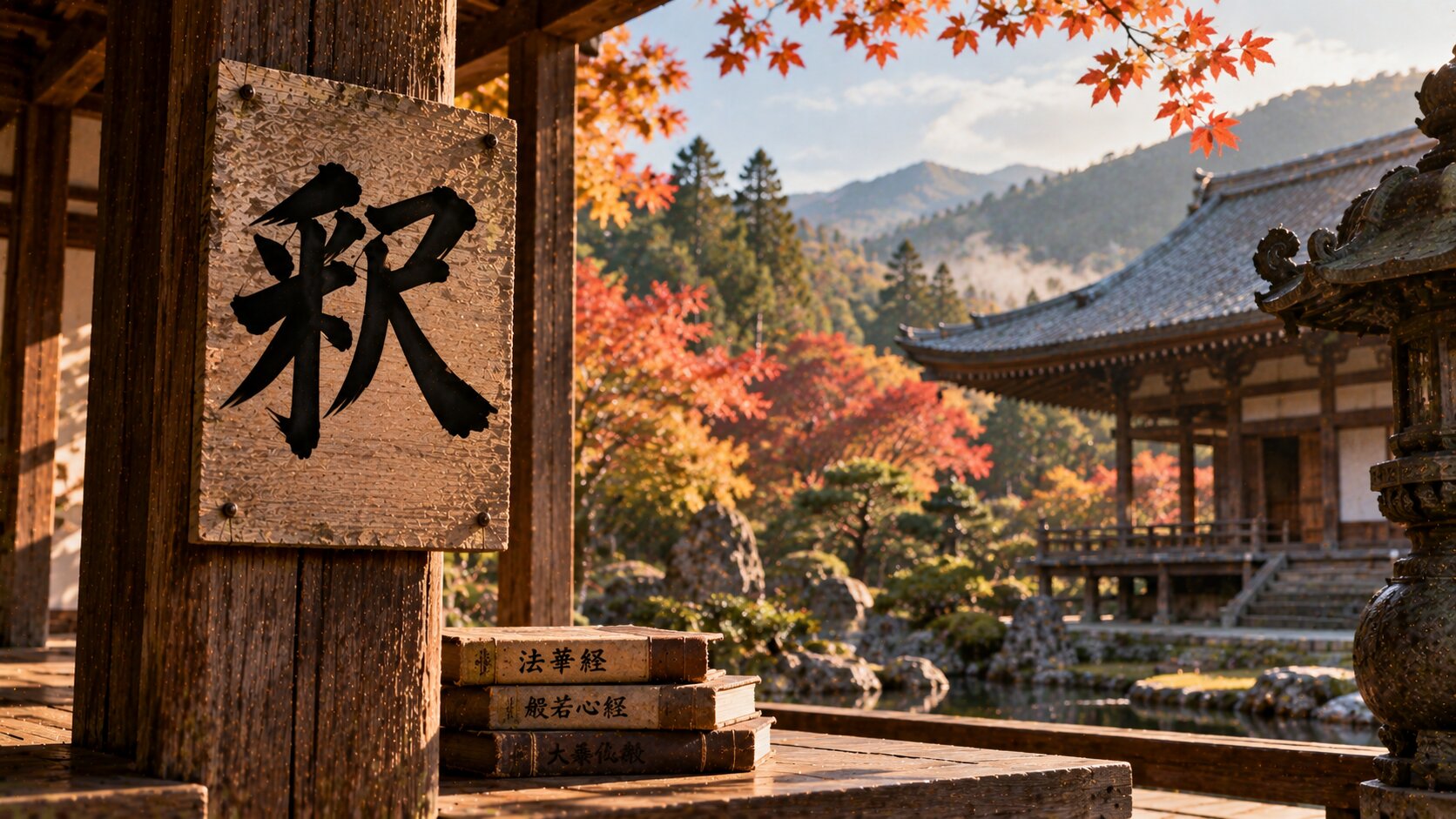
師は難しい教えを釈かず、
庭に落ちる一枚の葉を指さした。
深い答えほど、短く示されることがある。
Rather than explain the difficult teaching,
the master points to a single falling leaf.
The deepest answers are sometimes shown briefly.
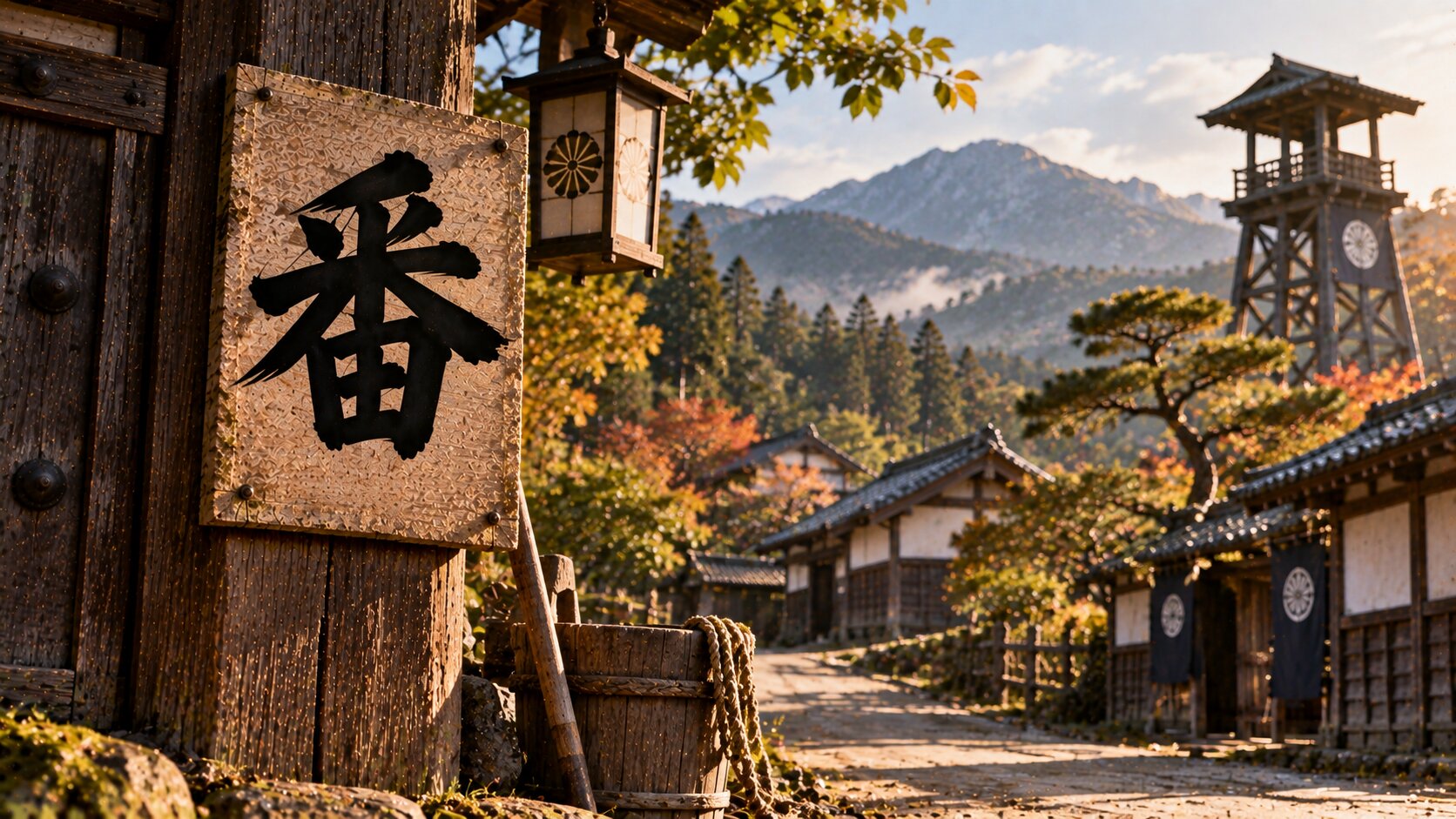
夜の番に立つ男が、
提灯を持って蔵の周りを歩く。
眠る暮らしは、誰かの目に守られている。
A man on night watch
walks around the storehouse carrying a lantern.
Sleeping lives are protected by someone who remains awake.
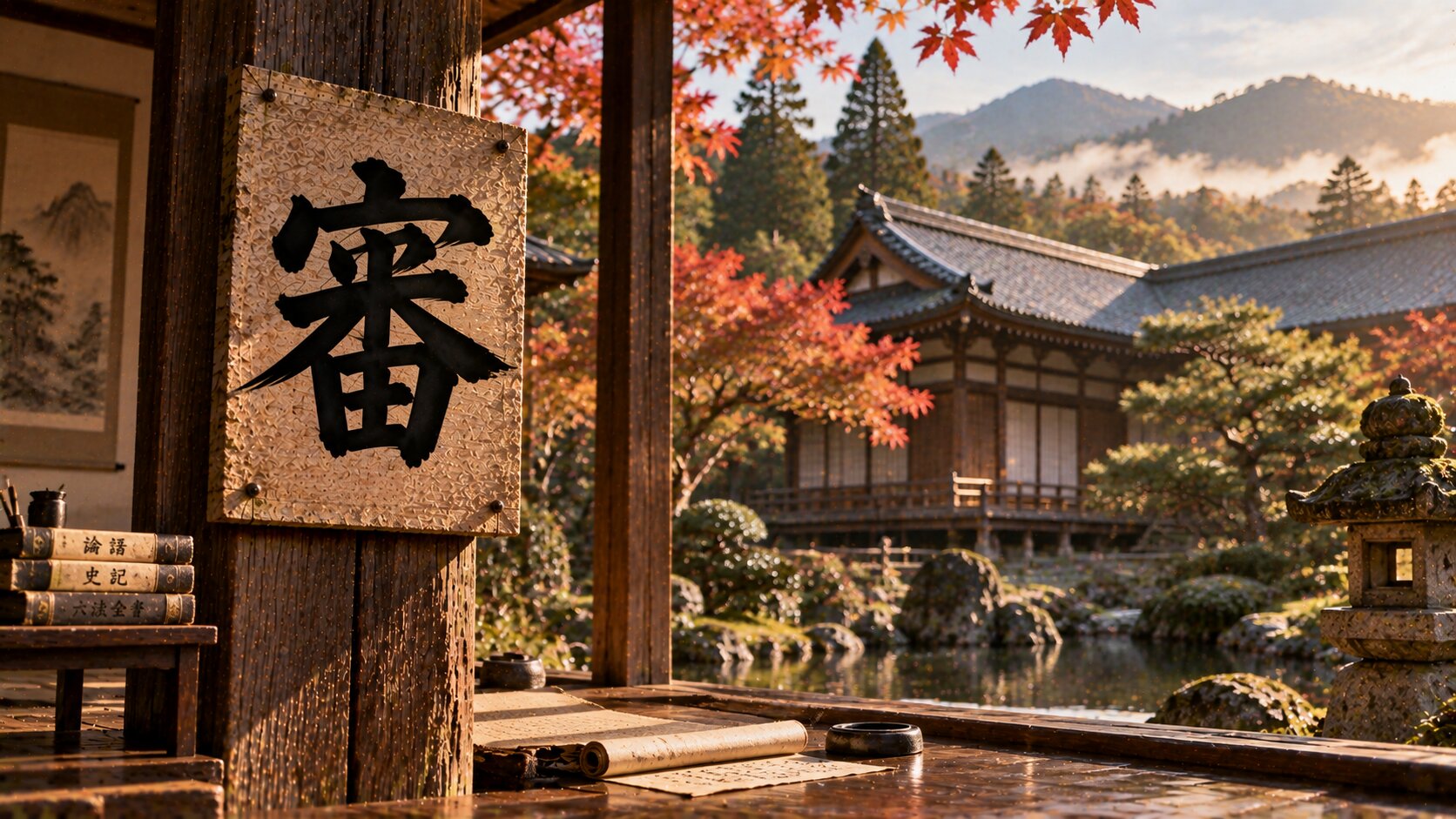
古い文書を灯の下に広げ、
役人は一行ずつ審らかに調べる。
正しい判断は、急がぬ目から生まれる。
Spreading the old document beneath the lamp,
the official examines it line by line.
Sound judgment is born from eyes that do not hurry.